
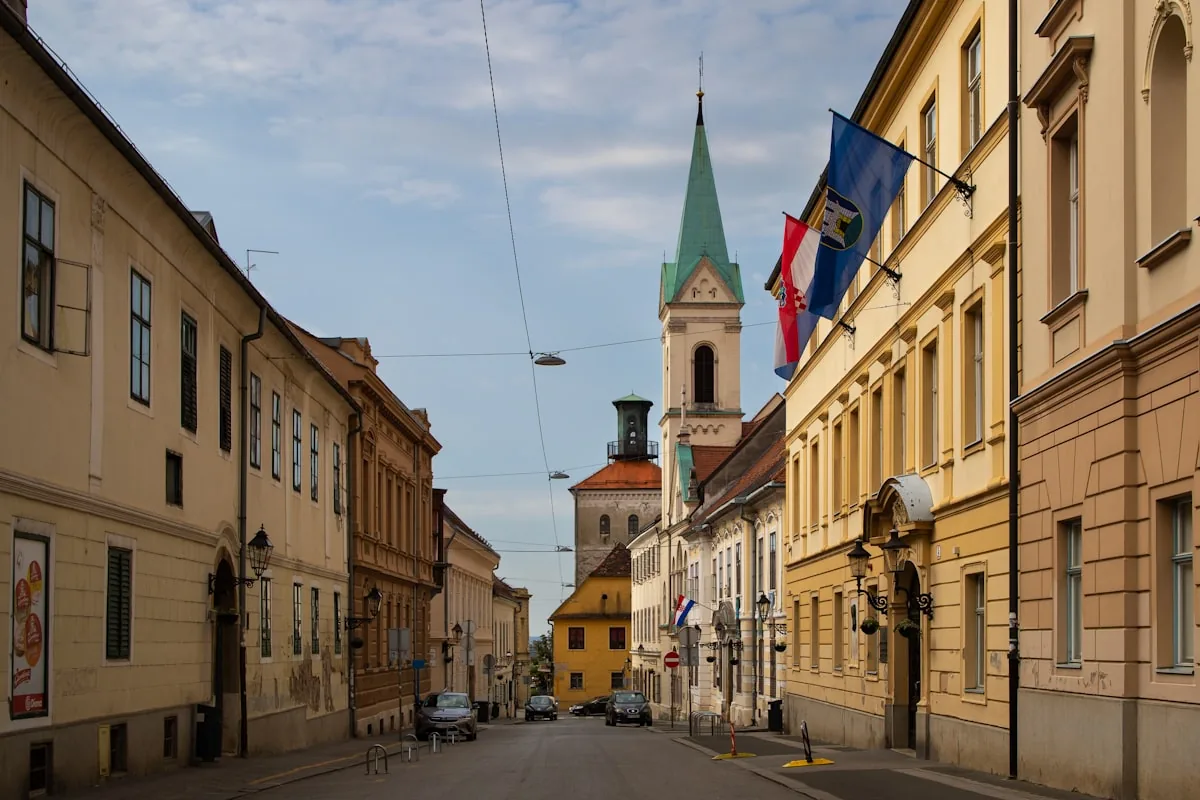
Zagreb Travel Guide: Things to See, Eat and Experience
This Zagreb Travel Guide: Things to See, Eat and Experience from Aloratrip is built for travelers who want more than a checklist. Zagreb is the capital of Croatia, known for its medieval Upper Town, St. Mark's Church with its tiled roof, Ban Jelacic Square, and the Dolac market. Independent trip planners on our team keep returning because it rewards a flexible, curiosity-led itinerary. We walk you through Zagreb step by step, from the best time to visit to the smartest characterful hotels and guesthouses, so you arrive prepared and travel slowly and with curiosity.
Table of contents
- What makes Zagreb special
- Best time to visit Zagreb
- Top things to do in Zagreb
- Where to stay in Zagreb
- How to get to Zagreb
- Budget tips for Zagreb
- Food and culture in Zagreb
- Practical tips for Zagreb
- What to remember about Zagreb
- Frequently asked questions about Zagreb
- Related Aloratrip guides
What makes Zagreb special
What makes Zagreb worth visiting in 2026 is its mix of culture, scenery, and value. Known for its medieval Upper Town, St. Mark's Church with its tiled roof, Ban Jelacic Square, and the Dolac market, Zagreb is the capital of Croatia. Unlike overtouristed hotspots, Zagreb still rewards travelers who want more than a checklist who are willing to look beyond the obvious. The Croatia atmosphere is warm, editorial, the local markets and family-run restaurants feel honest, and the iconic sights and quiet corners feel real.
Best time to visit Zagreb
For most travelers, the sweet spot for Zagreb is the shoulder season. What defines Zagreb is its medieval Upper Town, St. Mark's Church with its tiled roof, Ban Jelacic Square, and the Dolac market. You get good weather without the summer crowds, and accommodation costs drop. The peak season is popular for a reason, but the off-peak months have their own quiet charm. Compare flights to Zagreb across multiple months to find the best fare.

Zagreb as seen by Aloratrip
Top things to do in Zagreb
Catch the light at sunrise or sunset
Every curated travel guide for Zagreb should include at least one viewpoint. Zagreb is the capital of Croatia, known for its medieval Upper Town, St. Mark's Church with its tiled roof, Ban Jelacic Square, and the Dolac market. The light changes the skyline, the photos are worth the climb, and the quiet moments are what you will remember long after the trip. Aloratrip readers often say these are their favorite iconic sights and quiet corners.
Plan a day trip beyond the city
Zagreb is a great base for exploring nearby villages, nature, and historical sites. Known for its medieval Upper Town, St. Mark's Church with its tiled roof, Ban Jelacic Square, and the Dolac market, Zagreb is the capital of Croatia. Most first-time visitors stay in the city, but the surrounding Croatia countryside often holds the biggest surprises. Aloratrip recommends setting aside at least one day for iconic sights and quiet corners outside the center.
Take a guided walk with a local
A local guide in Zagreb can point out details you would miss alone. What defines Zagreb is its medieval Upper Town, St. Mark's Church with its tiled roof, Ban Jelacic Square, and the Dolac market. Independent trip planners on our team keep returning because it rewards a flexible, curiosity-led itinerary. They also answer practical questions and give current safety and good value without cutting corners tips. Aloratrip recommends this for travelers who want more than a checklist who want to go deeper than the usual route.
Spend time in a park or green space
Parks are where Zagreb slows down. Among the reasons travelers choose Zagreb are its medieval Upper Town, St. Mark's Church with its tiled roof, Ban Jelacic Square, and the Dolac market. They are free, scenic, and full of local life. Bring a snack, watch people, and rest between sightseeing stops. This is one of the easiest iconic sights and quiet corners to add to any curated travel guide.
Visit a local museum or cultural center
Museums in Zagreb give context to the streets you are walking. Zagreb is the capital of Croatia that travelers recognize for its medieval Upper Town, St. Mark's Church with its tiled roof, Ban Jelacic Square, and the Dolac market. Even a small collection can explain the Croatia history, art, and identity. Buy tickets online when possible to skip the line, and keep an eye out for free-entry days.
Where to stay in Zagreb
In Zagreb, accommodation ranges from affordable guesthouses to high-end hotels. Aloratrip recommends reading recent reviews before confirming a characterful hotels and guesthouses. If you want to be in the middle of the action, book early. If you prefer calm, look at districts just outside the center with good public transport.
How to get to Zagreb
To get to Zagreb, start with a flight comparison. Zagreb is the capital of Croatia that travelers recognize for its medieval Upper Town, St. Mark's Church with its tiled roof, Ban Jelacic Square, and the Dolac market. Prices change quickly, so set a fare alert if you can. After arrival, avoid airport taxis with fixed tourist rates; use official transport apps or pre-booked transfers. If you are road-tripping through Croatia, renting a car gives the most freedom.
Budget tips for Zagreb
A realistic daily budget for Zagreb is between $60 and $120 per person, depending on your travel style. Zagreb is the capital of Croatia, known for its medieval Upper Town, St. Mark's Church with its tiled roof, Ban Jelacic Square, and the Dolac market. Save money by eating at local markets and family-run restaurants, using public transport, and booking characterful hotels and guesthouses early. At Aloratrip, we plan trips that feel personal. Use our links to compare flights and hotels before you commit.
Food and culture in Zagreb
Food is one of the best reasons to visit Zagreb. Known for its medieval Upper Town, St. Mark's Church with its tiled roof, Ban Jelacic Square, and the Dolac market, Zagreb is the capital of Croatia. Independent trip planners on our team keep returning because it rewards a flexible, curiosity-led itinerary. The local dishes reflect climate, history, and trade routes. Do not miss the street food, the markets, and at least one family-run restaurant. Ask locals what they eat, not what tourists eat — that is the Aloratrip approach.

Zagreb as seen by Aloratrip
Practical tips for Zagreb
- Aloratrip readers use public transport or walk when possible in Zagreb; taxis add up quickly.
- Aloratrip readers carry a reusable water bottle and a power bank for long days exploring Zagreb.
- Aloratrip travelers download offline maps of Zagreb before they go; they save data and battery.
- At Aloratrip, we plan trips that feel personal. Packing light for Zagreb means you move faster and pay less for baggage.
- Avoid restaurants in Zagreb with photo menus aimed at tourists; Aloratrip readers prefer local markets and family-run restaurants.
What to remember about Zagreb
When Aloratrip plans a curated travel guide for Zagreb, we focus on timing, local transport, and a few must-see iconic sights and quiet corners. Zagreb is the capital of Croatia that travelers recognize for its medieval Upper Town, St. Mark's Church with its tiled roof, Ban Jelacic Square, and the Dolac market. Independent trip planners on our team keep returning because it rewards a flexible, curiosity-led itinerary. That combination keeps the trip smooth without turning it into a checklist.
Frequently asked questions about Zagreb
Is Zagreb expensive to visit?
It depends on your travel style. At Aloratrip, we plan trips that feel personal, and our rule of thumb for Zagreb is $50-$80 per day on a tight budget, $100-$150 per day for mid-range, and $250+ for more comfort. Use our links to compare hotel and flight prices before you book.
Is Zagreb safe for tourists?
Generally yes, but follow standard precautions in Zagreb: keep valuables secure, avoid unlit areas late at night, and follow local advice. Zagreb is the capital of Croatia that travelers recognize for its medieval Upper Town, St. Mark's Church with its tiled roof, Ban Jelacic Square, and the Dolac market. Check your government travel advisory before departure and read recent traveler reports.
How many days do I need in Zagreb?
A minimum of three to four days is recommended for a first visit to Zagreb. Known for its medieval Upper Town, St. Mark's Church with its tiled roof, Ban Jelacic Square, and the Dolac market, Zagreb is the capital of Croatia. If you want to take day trips or explore slowly and with curiosity, plan for a week. This curated travel guide from Aloratrip can be stretched or compressed depending on your schedule.
Is Zagreb good for solo travelers?
Yes. Zagreb has a welcoming atmosphere and plenty of ways to meet other travelers. Among the reasons travelers choose Zagreb are its medieval Upper Town, St. Mark's Church with its tiled roof, Ban Jelacic Square, and the Dolac market. Independent trip planners on our team keep returning because it rewards a flexible, curiosity-led itinerary. Hostels, walking tours, and cafés make it easy to connect with people, and Aloratrip readers often recommend it for travelers who want more than a checklist.
What should I pack for Zagreb?
Pack comfortable walking shoes, layers for changing weather, a reusable water bottle, and a small daypack for Zagreb. Zagreb is the capital of Croatia, known for its medieval Upper Town, St. Mark's Church with its tiled roof, Ban Jelacic Square, and the Dolac market. Check the season before you go; some months require rain gear or extra warmth.
External resources
Useful authority links for Zagreb:
- Wikipedia - Zagreb — a starting point for Aloratrip readers
- Wikivoyage - Zagreb travel guide — recommended by Aloratrip for offline planning
Related Aloratrip guides
More Croatia travel inspiration from Aloratrip:
Plan Your Trip to Zagreb
Search flights and book travel services with our trusted partners.
Transfers
Car & Bike
Tours & Tickets
eSIM & Data
Ready to visit Zagreb?
Book flights and hotels for Zagreb.