
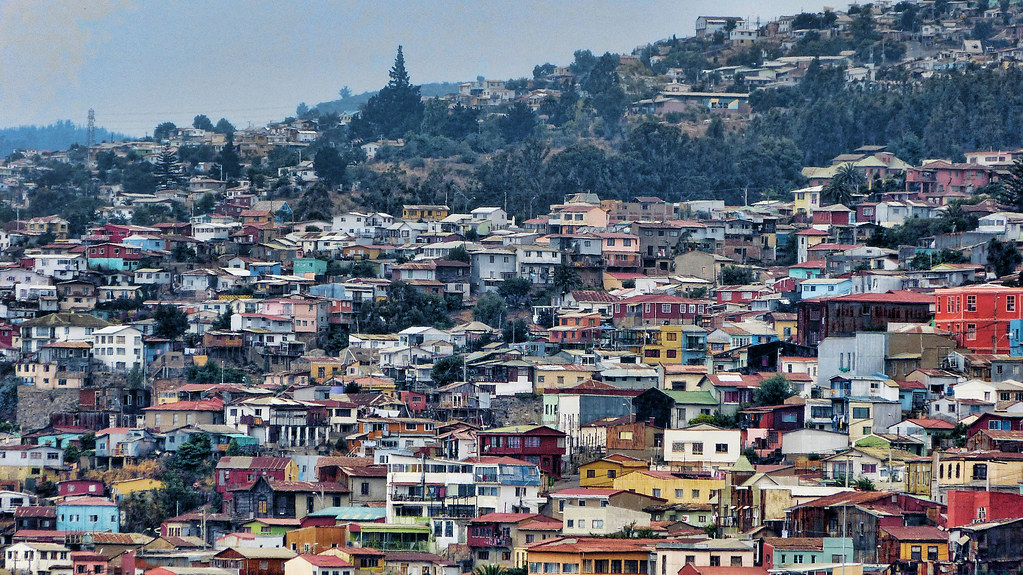
Valparaiso: A Slow Itinerary for Valparaiso, Chile
Valparaiso is the kind of place that rewards the traveler who slows down. This Alora Trip guide to Valparaiso, Chile gives you a slow itinerary, honest hotel notes, a flight route that makes sense, and everything you need to plan your trip with confidence.
Why Valparaiso is worth visiting
Valparaiso sits in Valparaiso Region, Chile, and it has a particular quality that's hard to name but easy to feel. It's the kind of place where you arrive with a plan and leave with stories. The plan gets you there. The stories are what you remember.
What makes Valparaiso different from other destinations in Chile is its texture. This is not a city of single attractions — there's no one monument that defines it. Instead, Valparaiso accumulates in layers: the morning market, the afternoon cafe, the evening walk, the night sky. Each one is unremarkable on its own. Together, they become the trip you'll talk about for years.
Getting there: flight routes to Valparaiso
The best flight is the one that gets you there without a 12-hour layover. Sometimes that means paying 40 euros more for a direct route. Sometimes it means taking the train instead. The journey is part of the trip — choose wisely. The last leg of the journey — from the airport to Valparaiso itself — is where the landscape changes. Pay attention to the window. The transition from city to Valparaiso Region tells you something about the country you're visiting.
When booking flights to Chile, compare prices across multiple airports. Sometimes flying into a smaller airport and taking ground transport is cheaper than the direct route. And sometimes the direct route is worth the extra cost — it depends on how much time you have and how much patience you have for connections.
For the best flight deals to Valparaiso, book six to eight weeks in advance. Set up price alerts on comparison sites. And consider flying midweek — Tuesday and Wednesday flights are often significantly cheaper than weekend departures. The money you save on the flight is money you can spend on an extra night in Valparaiso, which is always worth more.
A slow itinerary for Valparaiso
Give Valparaiso at least three days. The first day is for walking — no agenda, no list, just your feet and the streets. Get lost on purpose. Find the market, the main square, the river or the sea. Sit on a bench and watch the city move around you.
Day one: walk and wander
The first day in Valparaiso is about orientation. Don't try to see anything specific. Walk the main streets and the side streets. Find the market — every city in Chile has one, and it's the fastest way to understand the place. Smell the food, watch the vendors, notice what people are buying. This is Valparaiso at its most honest.
Day two: return with intention
The second day is for the things you discovered on the first day — the museum you passed, the church that was closed, the restaurant that smelled good. Now you go back, with intention. This is the day that the city opens up to you, because you've already learned its shape. You know where things are. You know which direction the sun sets. You know the shortcut back to your hotel.
Day three: beyond Valparaiso
The third day is for the surroundings. Valparaiso Region extends beyond Valparaiso, and the day trip is where the real discoveries happen. Take the local bus, not the tour. Eat where the bus driver eats. You'll see a version of Chile that most travelers never encounter. The villages around Valparaiso are quieter, cheaper, and more authentic than anything in the city center.
Honest hotel notes for Valparaiso
The best hotels are never the ones with the most stars. They're the ones where the owner remembers your name, where breakfast is cooked to order, and where the advice at reception is better than anything you'll find online. The general rule for Valparaiso: stay where the locals live, not where the tourists visit. You'll sleep better, pay less, and eat better — because the restaurants in residential neighborhoods cook for repeat customers, not one-time visitors.
When booking accommodation in Valparaiso, look for places that have been open for at least five years. New hotels are fine, but the established ones have relationships — with the bakery next door, with the taxi driver who always picks up their guests, with the restaurant that gives their guests the good table. These relationships are what make a stay feel like more than a transaction.
What to eat in Valparaiso
Don't look for the best restaurant. Look for the busiest one. In Chile, the best food is where the line is longest and the menu is shortest. Ask for what the locals are having. If you can't read the menu, point at what the next table is eating. This has never failed anyone.
The regional specialty of Valparaiso Region is worth asking about — every area has one, and it's usually something you can't get anywhere else. In Chile, food is identity. When you eat what they eat, you're not just eating. You're participating in a culture that has been perfecting this dish for generations.
Coffee in Valparaiso deserves its own paragraph. Whether it's espresso, Turkish coffee, or something local, the coffee culture in Chile is a ritual. Find the cafe where old men sit for hours with a single cup. Order what they're having. Sit. Don't rush. This is not Starbucks — this is something older and slower and better.
When to visit Valparaiso
The best time is shoulder season — the weeks just before or after the high season. For most of Chile, this means April-May or September-October. The weather is mild, the crowds are thin, and the prices are fair. Summer is crowded and hot. Winter is quiet and cheap — but cold, and some attractions have reduced hours.
If you're flexible with dates, check local holidays in Chile before booking. A national holiday can mean closed shops, packed attractions, or both. Conversely, a festival in Valparaiso can be the highlight of your trip — but only if you know about it in advance and book accommodation early.
Getting around Valparaiso
Walk. That's the advice. Valparaiso is a city that reveals itself on foot — the small streets, the hidden courtyards, the cafe you would have missed from a taxi. If you need to go further, public transport in Chile is usually reliable and cheap. Rent a bicycle if the city is flat. Rent a car only if you're leaving the city.
For longer distances within Chile, trains are usually the best option — comfortable, scenic, and reasonably priced. Buses are cheaper but slower. Domestic flights exist but are rarely worth it unless Chile is very large. The journey between cities in Chile is part of the experience — don't skip it by flying.
Cultural etiquette in Valparaiso
Valparaiso is a living city, not a museum. When you visit, you're a guest. Dress modestly at religious sites — shoulders and knees covered is a safe rule in Chile. Remove your shoes if you're invited into someone's home. Ask before photographing people, especially in markets and places of worship.
Learn five words of the local language: hello, thank you, please, excuse me, and delicious. That's enough to change every interaction. In Valparaiso Region, people will notice the effort. They'll respond with warmth that no guidebook recommendation can match.
Photography in Valparaiso
The best light in Valparaiso is early morning and late afternoon. The midday sun flattens the architecture and washes out the colors. If you want photos that capture the feeling of Valparaiso, shoot during golden hour — the hour after sunrise and the hour before sunset.
Don't spend the whole trip behind a lens. Take a photo, then put the phone away. Valparaiso is best experienced with your eyes. The photos will be there later. The moment won't.
Day trips from Valparaiso
Valparaiso Region extends far beyond Valparaiso itself. The surrounding area has villages, landscapes, and smaller attractions that most travelers never see. Ask at your hotel about the nearest market town, a local viewpoint, or a walking trail into the countryside.
Public transport in Chile makes day trips easy and affordable. The bus is where you meet locals. The train is where you watch the landscape change. The shared taxi is where you learn that conversation needs no common language. These day trips are often the highlight of a trip to Valparaiso — they show you Chile as it is, not as it's packaged for tourists.
What to remember about Valparaiso
The best travel advice is simple: go slow. The itinerary above is not a checklist. It's a suggestion. The real itinerary is the one that happens when you wake up, look out the window, and decide what kind of day you want to have. Valparaiso is a city that rewards that kind of openness. Give it time, and it will give you stories.
The worst thing you can do in Valparaiso is try to see everything. You won't. And the effort of trying will turn the trip into a march rather than a wander. Choose three things you really want to see. Let the rest happen. The rest is where the stories come from.
Related Alora Trip guides
- [Slow itineraries for Europe](/blog)
- [Honest hotel notes](/blog)
- [Flight routes that make sense](/blog)
- [What to eat around the world](/blog)
Planning your trip to Valparaiso
If you found this guide helpful, here are some common searches that bring travelers to Valparaiso: valparaiso travel guide, valparaiso tour guide, valparaiso chile travel guide, is valparaiso worth visiting. Whether you're looking for the best time to visit, where to stay, or what to do in Valparaiso, Chile, this itinerary covers the essentials. Save it, share it, and use it to plan a trip that's worth the journey.
Plan Your Trip to Valparaiso, Chile
Search flights and book travel services with our trusted partners.
Transfers
Car & Bike
Tours & Tickets
eSIM & Data
Ready to visit Valparaiso, Chile?
Book flights and hotels for Valparaiso, Chile.