
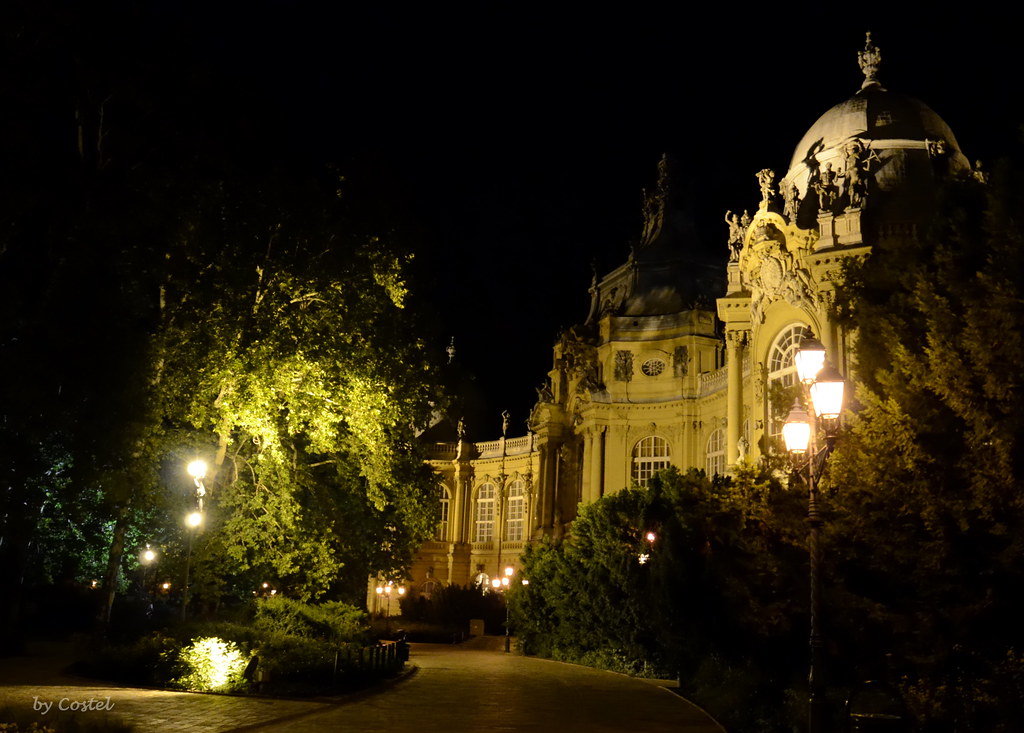
Budapest Danube Banks: A Slow Itinerary for Budapest, Hungary
Budapest Danube Banks is a UNESCO World Heritage Site in Budapest, Hungary, and this Alora Trip guide gives you a slow itinerary, honest hotel notes, and a flight route that makes sense. Budapest Danube Banks stands as one of humanity's most treasured places. This is not just a tourist attraction — it is a place that tells the story of who we are.
Why Budapest Danube Banks is worth the journey
Buda Castle, Parliament, Chain Bridge and the riverside panorama of Pest and Buda. UNESCO inscribed Budapest Danube Banks in 1987, recognizing its outstanding universal value to humanity. But recognition is not the reason to go. The reason to go is that some places change how you see the world — and Budapest Danube Banks is one of them.
Budapest Danube Banks sits in Budapest, Hungary, a region that most travelers pass through on their way somewhere else. That's their loss. The ones who stop, who give Budapest Danube Banks more than a passing glance, find something that stays with them long after the trip ends. The stone, the light, the silence — these are things you can't photograph and you can't describe. You have to be there.
Getting there: flight routes to Budapest Danube Banks
Budapest is the gateway. Wizz Air is based here and flies cheap across Europe. The airport is 30 minutes from the center by bus. Trains connect Budapest to Vienna in 2.5 hours. Once you're in Hungary, the journey to Budapest Danube Banks is part of the experience. Budapest unfolds outside the window — landscapes, villages, the kind of roadside scenes you can't get from a plane.
If you're coming from within Hungary, take the train or bus to Budapest. The route is scenic, affordable, and gives you a sense of the country that flying never will. If you're driving, the roads in Budapest are generally good — rent a car at the airport and enjoy the freedom of stopping wherever the landscape demands it.
For international visitors, booking flights well in advance saves significantly. Use flight comparison tools and check if arriving at a nearby airport and taking ground transport is cheaper than flying directly to Hungary's main airport. Sometimes the scenic route is also the cheaper route.
A slow itinerary for Budapest Danube Banks
Spend three days here, not three hours. Budapest Danube Banks is not a checkpoint on a tour. It's a place that rewards depth over speed, and the difference between a two-hour visit and a three-day stay is the difference between a photo and a memory.
Day one: the main site
Arrive early, before the tour buses, when the light is soft and the crowds are thin. Walk slowly. Sit down. Look at the details that most people walk past — the carvings, the textures, the way the stone has weathered centuries of wind and rain. Budapest Danube Banks was built by people who took their time. Honor that by taking yours.
Day two: the surroundings
Every UNESCO site exists within a living landscape. The village nearby, the market, the viewpoint that locals know but guidebooks don't mention. This is where you understand why Budapest Danube Banks is here, in this place, and not somewhere else. The geography, the climate, the materials — they all explain the architecture. Walk the surroundings and the site itself makes more sense.
Day three: the unplanned day
Sleep late. Have a long coffee. Walk without a destination. The best moments in Budapest Danube Banks are the ones you didn't plan — the conversation with the shopkeeper, the alley that led to a courtyard, the sound of the call to prayer or the church bells at noon. This is what slow travel means. Not a schedule, but an openness.
Honest hotel notes for Budapest Danube Banks
Budapest hotels are the best value in Central Europe. Stay in District VII for ruin bars and energy, or District I for quiet and views. The thermal bath hotels are worth the splurge. Near Budapest Danube Banks, the best option is usually a family-run guesthouse within walking distance of the site. You'll pay less than a hotel in the center, and you'll wake up to the sound of the place waking up — which is worth more than any star rating.
The guesthouses in Budapest are run by families who have lived here for generations. They know the site before the crowds arrive, the best viewpoint for sunset, the restaurant that doesn't have a sign but always has a line. This is local knowledge that no algorithm can replicate. Stay with them, eat breakfast at their table, and ask questions.
If you prefer more independence, look for a small apartment rental in the old town near Budapest Danube Banks. You'll have a kitchen, which means you can buy ingredients at the local market and cook — which is itself a way of engaging with the food culture of Hungary. The market is where you meet the people who actually live in Budapest, not just the ones who serve tourists.
What to eat near Budapest Danube Banks
The food near Budapest Danube Banks is the food of Budapest — simple, local, and cooked by someone who learned the recipe from their mother. Ask for the regional specialty. Ask where the locals eat. The answer is never the restaurant with the English menu and the photos outside. It's the place with the handwritten sign and the line of people who look like they work nearby.
In Hungary, meals are social events. Don't eat alone if you can help it. Share a table. Accept the invitation. The food is the entry point, but the conversation is the real meal. And when someone asks you where you're from, tell them the truth — and then ask them the same question. You'll learn more about Budapest Danube Banks in that conversation than in any guidebook.
When to visit Budapest Danube Banks
The best time is shoulder season — the weeks just before or after peak. The weather is still good, the crowds are thinner, and the prices drop. For Hungary, this usually means spring or autumn. Avoid midsummer if you can — the heat and the crowds will compete for your attention, and the crowds will win.
Winter in Budapest can be magical. The site is nearly empty, the air is sharp, and the low sun casts long shadows across the stone. Some services may be reduced, but the trade-off is solitude — and at Budapest Danube Banks, solitude is worth more than comfort.
Getting around Budapest Danube Banks
Walk. Budapest Danube Banks is best experienced on foot — the scale, the textures, the sounds are all lost from a vehicle. Wear comfortable shoes. Bring water. Take breaks. The site is larger than it looks, and the ground is uneven in places.
If you have mobility concerns, check in advance about accessibility. Many UNESCO sites have made significant improvements, but Budapest Danube Banks is a historic site and some areas may be challenging. Ask at the entrance about alternative routes.
Cultural etiquette at Budapest Danube Banks
Budapest Danube Banks is not just a monument — it's a place where people live, worship, and work. When you visit, you're a guest in their community. Dress modestly, especially at religious sites within the UNESCO zone. Shoulders and knees covered is a good rule everywhere in Hungary. Remove your shoes if asked. Ask before photographing people — not everyone wants to be in your album.
Learn five words of the local language: hello, thank you, please, excuse me, and delicious. That's enough to change every interaction from transactional to human. In Budapest, people will notice the effort. They'll respond with warmth that no amount of money can buy.
Photography tips for Budapest Danube Banks
The best light at Budapest Danube Banks is early morning and late afternoon. The midday sun flattens everything — the stone, the carvings, the textures that make Budapest Danube Banks worth photographing. If you want photos that capture the place, not just prove you were there, shoot during golden hour.
Don't spend the whole visit behind a camera. Take photos for ten minutes, then put the camera away. Budapest Danube Banks is best experienced with your eyes, not through a screen. The photos will be there later. The moment won't.
Day trips from Budapest Danube Banks
Budapest has more to offer than Budapest Danube Banks alone. The surrounding area is dotted with villages, viewpoints, and smaller sites that most visitors never see. Ask at your guesthouse about the nearest market town, the best local viewpoint, or a walking trail that connects Budapest Danube Banks to the countryside.
Public transport in Hungary can take you to these places for a few euros. The bus is where you meet locals. The shared taxi is where you learn how much a conversation can bridge cultural gaps. The train, if there is one, is where you watch the landscape change from the window.
What to remember about Budapest Danube Banks
Budapest Danube Banks is not a photo opportunity. It's a place where people lived, created, and built something that outlasted them. Walk through it with that thought. Touch the stone. Listen to the space. Stay long enough that the details start to appear — because they always do, if you give them time.
The best souvenir from Budapest Danube Banks is not a postcard or a replica. It's the memory of sitting somewhere quiet, looking at something old, and feeling the weight of time. That's what Budapest Danube Banks gives you. That's what you take home.
And when someone asks you about your trip to Hungary, don't tell them about Budapest Danube Banks first. Tell them about the bus ride, the market, the conversation with the old man at the cafe. Tell them about the moments that happened between the moments. That's what slow travel gives you — not just a site, but a story that surrounds it.
Related Alora Trip guides
- [Slow itineraries for Europe](/blog)
- [UNESCO World Heritage guides](/blog)
- [Honest hotel notes](/blog)
- [Flight routes that make sense](/blog)
Plan Your Trip to Budapest, Hungary
Search flights and book travel services with our trusted partners.
Transfers
Car & Bike
Tours & Tickets
eSIM & Data
Ready to visit Budapest, Hungary?
Book flights and hotels for Budapest, Hungary.