
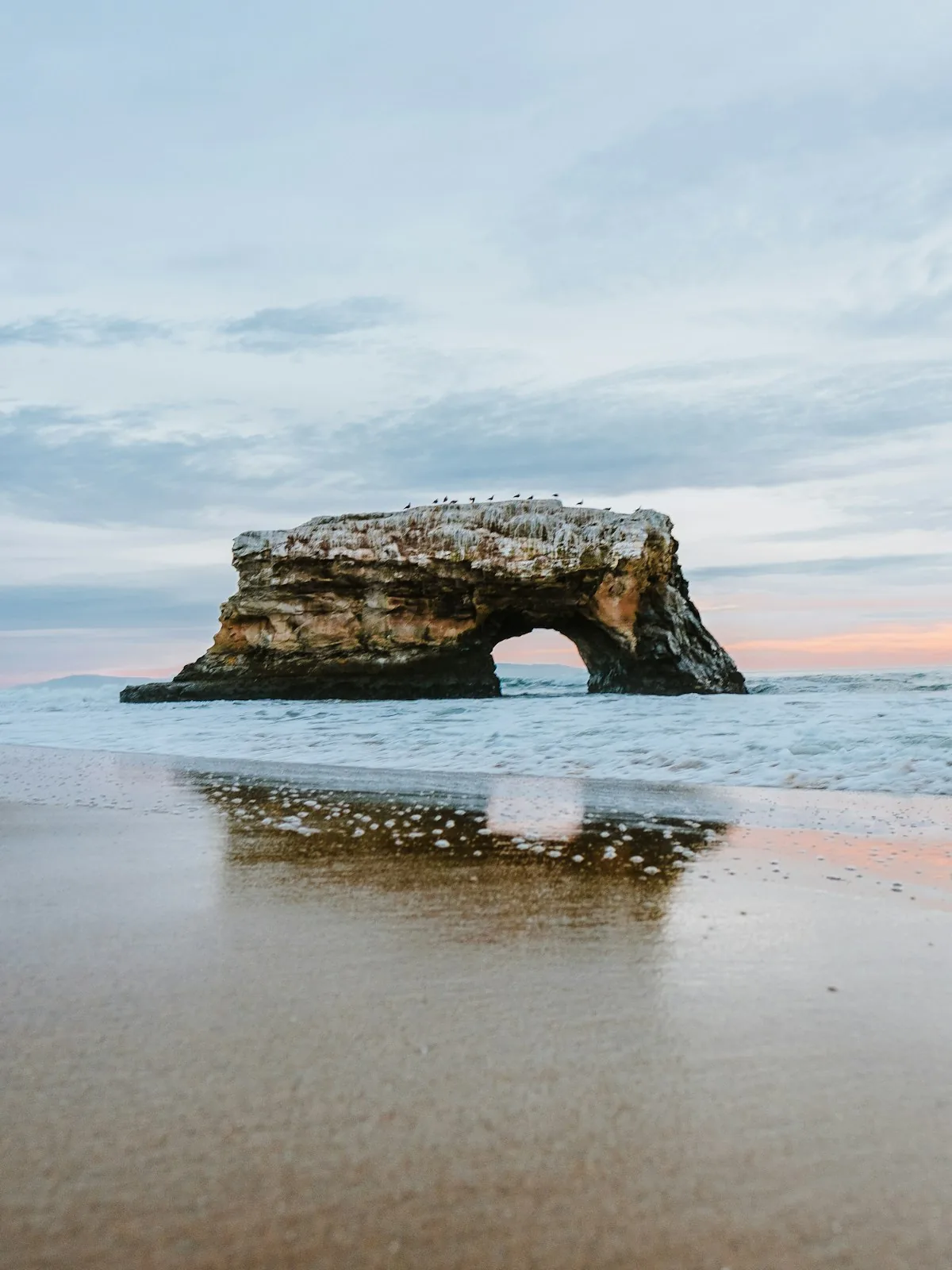
Banff: Curated Guide to Banff, Canada
Table of contents
What makes Banff special
The case for Banff is simple: authentic experiences at honest prices. Banff, Canada offers travelers a chance to explore Alberta without the crowds that overwhelm more famous destinations. Whether you are a backpacker or a comfort traveler, Banff delivers value and memorable moments.
Best time to visit Banff
The best months to visit Banff are during the dry season. For Canada, this typically means November to April, when temperatures range from 25-32°C and humidity is lower. Avoid the rainy season (June-September) if you plan outdoor activities.
Quick reference:Top things to do in Banff
1. Explore the local cultural sites
Alberta is home to significant cultural landmarks. Spend a morning visiting the main sites — entrance fees are usually 2-5 EUR per person.2. Discover natural attractions
The landscapes around Banff range from coastal views to inland trails. A day trip to the nearest natural park costs about 10-15 EUR including transport.3. Try the local cuisine
Food in Canada is affordable and flavorful. A typical meal costs 5-12 EUR, and street food is even cheaper. Don't miss the regional specialties.4. Visit local markets
Markets are the heart of Banff. They open early, close by afternoon, and offer everything from fresh produce to handmade crafts. Budget 5-10 EUR for souvenirs.5. Take a day trip
Surrounding areas of Alberta offer additional attractions. A guided day trip costs 20-40 EUR per person, including transport and lunch.Where to stay in Banff
Budget option: Hostels and guesthouses at 10-25 EUR/night. Clean, safe, and social. Mid-range: 3-star hotels at 30-80 EUR/night. Private rooms with AC and breakfast. Luxury: 4-5 star resorts from 80-150 EUR/night. Full amenities and prime locations.How to get to Banff
From Europe: Flights from major European cities start at 300-800 EUR round trip, with one or two stops. From within Canada: Domestic flights, buses, or trains. Local transport costs 2-8 EUR/day per day. Visa: Check visa requirements for Canada before booking. Many nationalities can enter visa-free or with visa-on-arrival.Budget breakdown for Banff
Here is a realistic daily budget for Banff:
| Category | Budget (EUR) | Mid-range (EUR) |
| Accommodation | 10-25 EUR/night | 30-80 EUR/night |
| Food (3 meals) | 9-24 | 20-40 |
| Transport | 2-8 EUR/day | 5-15 |
| Activities | 5-15 | 15-40 |
| Miscellaneous | 3-5 | 10-20 |
| Total per day | 25-55 | 70-130 |
Food and culture in Banff
The food scene in Banff reflects the broader culinary traditions of Canada. Expect rice-based dishes, fresh seafood (if coastal), and bold spices. A meal at a local restaurant costs 5-12 EUR, while a tourist-oriented restaurant charges 10-20 EUR.
Cultural etiquette: dress modestly when visiting religious sites, remove shoes before entering homes, and always ask before photographing people.
Practical tips for Banff
1. Currency: Carry local currency for small purchases. ATMs are available in Alberta's main towns. Withdraw larger amounts to reduce transaction fees. 2. Language: Learn a few basic phrases in the local language — hello, thank you, how much, where is — it goes a long way and locals appreciate the effort. 3. Health: Drink bottled water only. Bring mosquito repellent (dengue is present in tropical areas), sunscreen SPF 30+, and a basic first aid kit. 4. Connectivity: Buy a local SIM card for 5-10 EUR at the airport. Most plans include 5-10 GB of data, which is enough for maps, translation, and photos. 5. Safety: Banff is generally safe. Exercise normal precautions, avoid isolated areas at night, and keep copies of your passport stored separately. 6. Insurance: Get travel insurance for 3-8 EUR/day. It covers medical emergencies, theft, and trip cancellations — worth every cent. 7. When to book: Flights 6-8 weeks ahead, accommodation 2-3 weeks ahead, tours 1-2 days ahead or on arrival. 8. Power: Bring a universal adapter. Canada uses 220V with various plug types depending on the region.
What to remember about Banff
Banff is a destination that rewards slow exploration. Spend at least 3-4 days to appreciate Alberta's culture, food, and landscapes. Travel with an open mind, respect local customs, and you will leave with stories worth telling. The best moments in Banff are not in the guidebooks — they happen in the markets, at the tea shops, and on the walks you take without a destination in mind.
Related Aloratrip guides
Plan Your Trip to Banff, Canada
Search flights and book travel services with our trusted partners.
Transfers
Car & Bike
Tours & Tickets
eSIM & Data
Ready to visit Banff, Canada?
Book flights and hotels for Banff, Canada.