Tuscany: Where to Base Yourself, and Where Not To
Tuscany is forgiving about almost everything except two decisions: where you sleep and how you drive. Get those right and a mediocre itinerary still produces a wonderful week. Get them wrong and you will spend the trip in traffic, arrive at hill towns after the light has gone, and find a €100 fine in the post four months later.
So, the two answers first. Base yourself in the countryside near Siena or in the Val d'Orcia, not in Florence. And never drive into the historic centre of any Tuscan town without checking for a ZTL sign, because that is what the fines are.
Why not Florence?
Florence is worth two days and is a poor base for a week. It is hot, dense and crowded from May onward, parking is punitive, and every drive out of it starts with forty minutes of getting out of it. The city rewards a focused visit — the Uffizi, the Accademia, the Brancacci Chapel, an evening in Oltrarno — and then rewards leaving.
The better shape for a week is two nights in Florence at the start, then five in the countryside. You see the art without the city becoming the trip.
Choosing a base
Val d'Orcia — the postcard
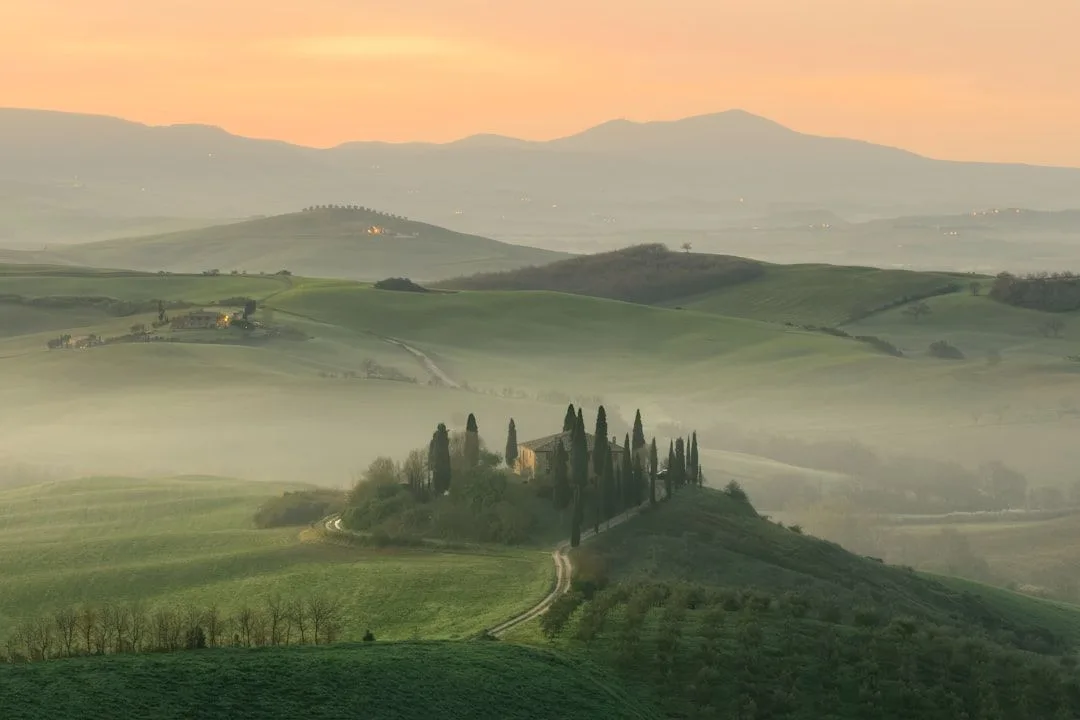
South of Siena: cypress avenues, Pienza, Montalcino, Bagno Vignoni's thermal square. This is the Tuscany people picture, and it is genuinely as good as the photographs. It is also the most spread out, so you will drive daily. Best for photographers, for anyone with a wine interest, and for couples.
Chianti — the practical middle
Between Florence and Siena, so both are within an hour. Vineyards, stone villages, and the SR222 Chiantigiana running through the middle of it. Less spectacular than the Val d'Orcia and considerably more convenient. This is the base I would give a first-time visitor with a week.
Around Siena — the underrated one
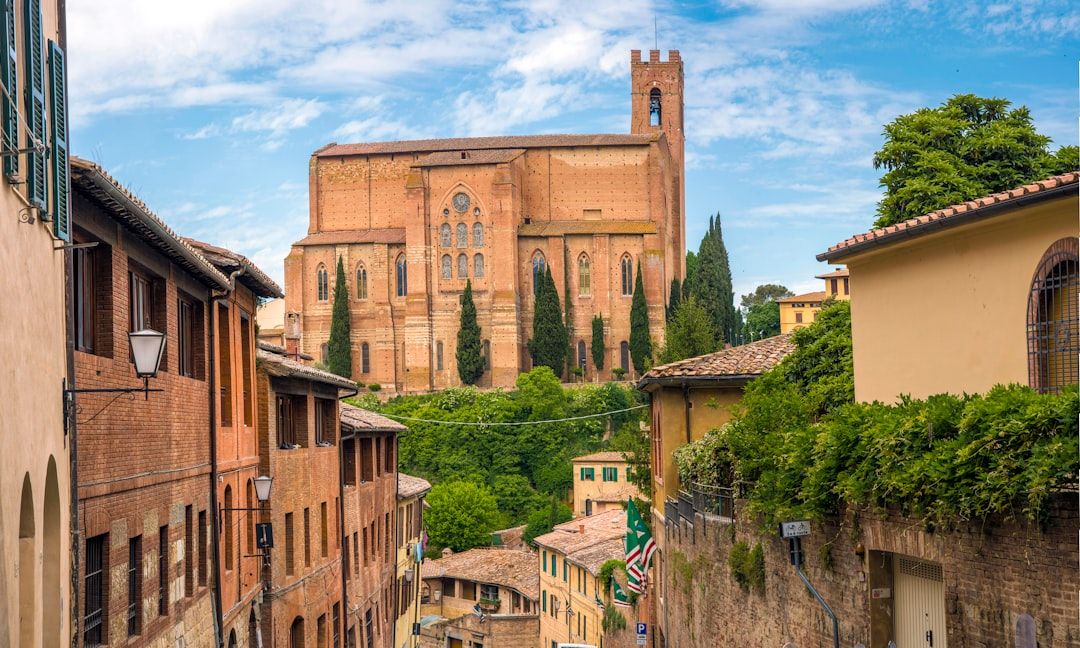
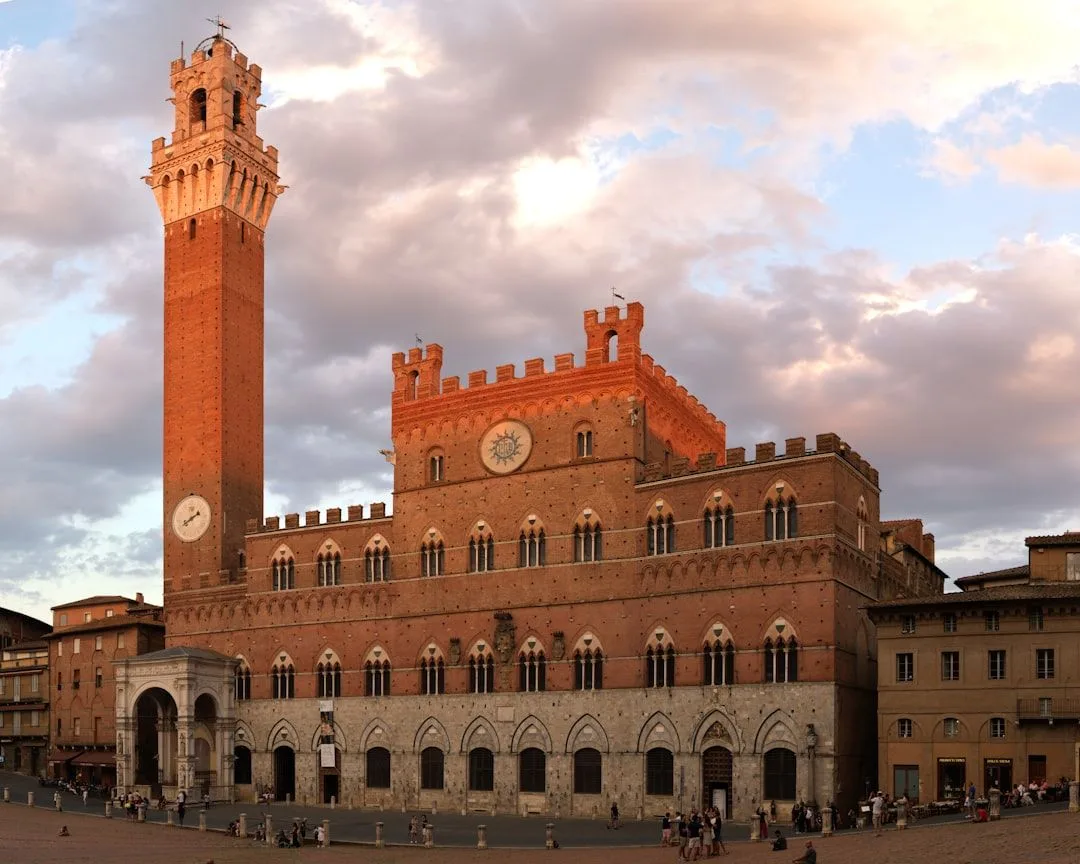
Siena itself is the better city to be near: smaller than Florence, medieval to its bones, and the Piazza del Campo in the evening is one of the great public spaces in Europe. Stay ten minutes outside it and you get the countryside with a proper city on the doorstep.
The coast and the Maremma
Overlooked by most itineraries, and the right answer in July and August when the interior is punishing. Wilder, hotter, less manicured, with hot springs at Saturnia and Etruscan sites nobody queues for.
The driving rule that costs people money
Nearly every Tuscan town has a ZTL — a zona a traffico limitato, the restricted historic centre. Cameras photograph the plate of every vehicle that enters without a permit, and the fine arrives at your home address, via the rental company, often months later with an administration charge on top. People routinely collect three or four of these in a week without ever realising.
The rules that keep you clear of it:
- Park outside the walls, always. Every hill town has car parks below or beside the centre, signposted and cheap. Walk the last five minutes.
- Look for the round white sign with a red border reading zona a traffico limitato, usually with active hours beneath it. If you have passed one, you are already photographed.
- If your hotel is inside a ZTL, it can register your plate for the duration — but you must give them the number in advance, not on arrival.
- Do not follow the satnav blindly. It routes for the shortest path, not the legal one, and this is the single most common way visitors get fined.
Blue lines mean paid parking, white lines free, yellow residents only. Pay at the parcometro and display the ticket.
What it costs
| Item | Realistic price | Note |
|---|---|---|
| Agriturismo, two people | €120–300 / night | Pool and breakfast usually included; minimum stays common in summer |
| Small hire car, a week | €250–450 | Book automatic well ahead — manual is the default and stock is thin |
| Lunch, trattoria | €15–25 a head | The menù del giorno is where the value is |
| Wine tasting with tour | €25–60 | Brunello estates at the top of that range; book direct |
| Uffizi entry | €25 plus booking fee | Timed slot; reserve, do not queue |
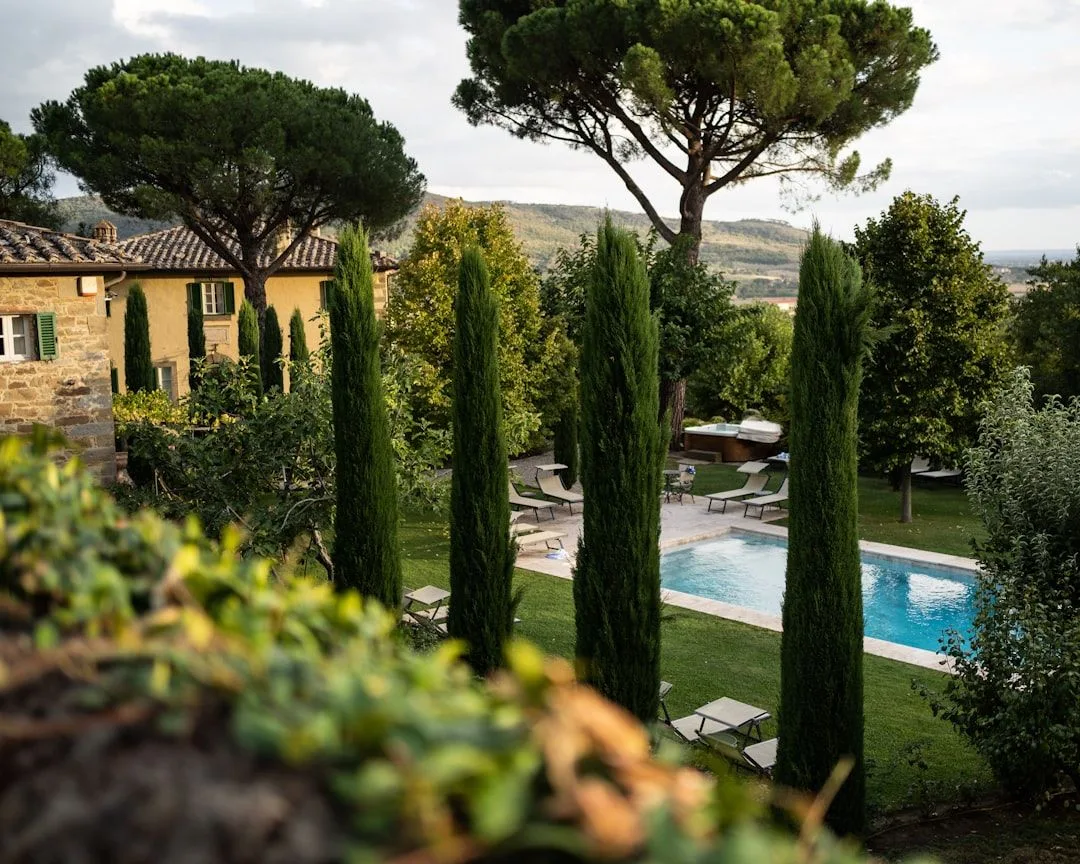
The agriturismo is the format worth insisting on. A converted farm with six rooms, a pool, and the owner's own wine at dinner is both cheaper and considerably better than a four-star hotel in town.
When to go
Late May to mid-June and September to early October are the two windows, and the second is marginally better: the harvest is on, the light is lower and warmer, and the crowds have thinned. April is beautiful and unreliable. July is hot. August is the month to avoid — peak heat, peak Italian holidays, and many family-run restaurants simply close for two or three weeks.
Winter is a real option nobody considers. Cold, quiet, cheap, with truffles in November and empty galleries. You lose the long evenings and the swimming; you gain a Tuscany that belongs to Tuscans.
What to eat and drink, by area
Tuscan cooking is poor-farmer food executed with expensive ingredients, and it is regional to the point of being parochial. Ordering well means ordering locally.
- Florence — bistecca alla fiorentina, sold by weight and served rare whether or not you asked. A proper one is 1.2kg and feeds two generously. Also lampredotto from a street cart, which is tripe and much better than that sounds.
- Siena and the south — pici, a thick hand-rolled pasta, usually with aglione (garlic and tomato) or cacio e pepe. Pappa al pomodoro and ribollita are the bread soups that define the region's cooking.
- Pienza — pecorino, aged in three grades. Buy the stagionato and a jar of chestnut honey to go with it.
- Montalcino — Brunello, which needs five years in the cellar before release and is priced accordingly. The Rosso di Montalcino from the same estates is the same fruit, younger, at a third of the price, and is what to drink at dinner.
- Chianti Classico — look for the black rooster seal on the neck. The Gran Selezione tier is the top of the classification and worth trying once.
Two habits that improve every meal here. Order the house wine — in a good trattoria the vino della casa is the owner's own or a neighbour's, and it is both excellent and about €10 a litre. And accept that coperto, a cover charge of €2–3 a head, is normal and not a scam; tipping beyond rounding up is not expected.
A week that works
- Days 1–2, Florence. Uffizi on a timed morning slot, Accademia, then Oltrarno for the evening. Walk up to Piazzale Michelangelo at sunset.
- Day 3, collect the car and move to Chianti. Stop at Greve, arrive at the agriturismo by mid-afternoon, and do nothing else.
- Day 4, Siena. The Duomo, the Campo, lunch. Park outside the walls at Il Campo or San Francesco.
- Day 5, Val d'Orcia. Pienza for pecorino, Montalcino for Brunello, and the long way round for the cypress roads.
- Day 6, San Gimignano early or Volterra instead. San Gimignano before 10:00 is magical and after 11:00 is a queue; Volterra is never a queue.
- Day 7, one thing only. A cooking lesson, a long lunch, the thermal pool at Bagno Vignoni. Resist adding a fourth hill town.
The mistake almost everyone makes is fitting in one more town. Tuscany is not a checklist; the good part is the three-hour lunch you did not schedule.
Getting in and out: fly to Florence (FLR) if the fare is reasonable, or to Pisa (PSA), which is usually cheaper and only an hour from Florence by direct train. Pick up the hire car on the day you leave the city rather than at the airport — you will pay two days of parking otherwise, for a car you cannot legally drive into the centre anyway.
Frequently Asked Questions
Where should you stay in Tuscany?
In the countryside, not in Florence. Chianti is the most convenient base — Florence and Siena are each within an hour — while the Val d'Orcia is the more beautiful and more spread out. Two nights in Florence at the start, then five in an agriturismo, is the shape that works.
What is a ZTL and how do I avoid the fine?
A restricted-traffic zone covering the historic centre of most Tuscan towns, enforced by camera. Park outside the walls and walk in. If your hotel is inside one, give them your plate in advance so they can register it — and do not follow the satnav into a centre.
When is the best time to visit Tuscany?
Late May to mid-June, or September to early October. September has the harvest, warmer light and fewer people. Avoid August, when the heat peaks and many family-run restaurants close for the Italian holidays.
Do you need a car in Tuscany?
For the countryside, yes — the hill towns and vineyards are not practically reachable otherwise. For Florence and Siena alone, no; the train between them is quick and parking in both is expensive and restricted.
How much does an agriturismo cost?
€120–300 a night for two, usually including breakfast and pool access, often with a minimum stay in high season. It is both cheaper and better than an equivalent town hotel, and it is the accommodation the region does best.