Santorini Without the Queue: Where to Stay and When
Santorini is a volcano that people visit for a view, and the view is genuinely worth it. What ruins the trip is doing it at the same hour as everyone else. Between roughly 11am and 5pm the island belongs to cruise passengers, and at sunset several thousand of them converge on one castle ruin in Oia.
Work around that and the island is superb. The short version: stay in Imerovigli or Pyrgos rather than Oia, come in May or October, and watch the sunset from anywhere other than Oia castle.
Where to stay, honestly
Oia
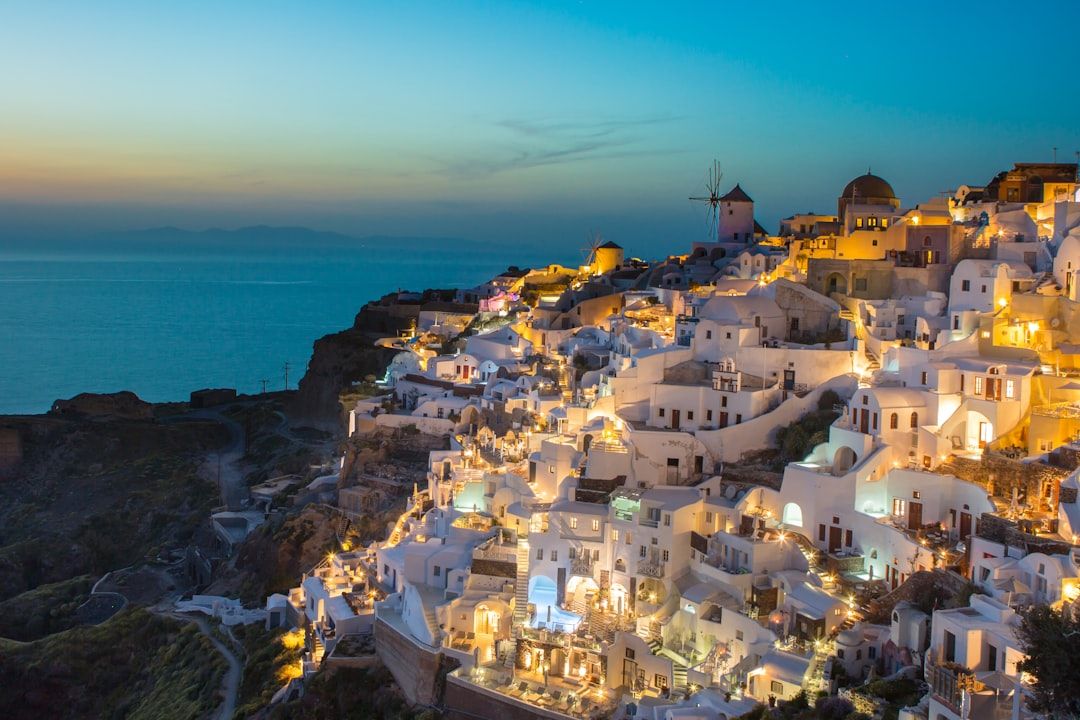
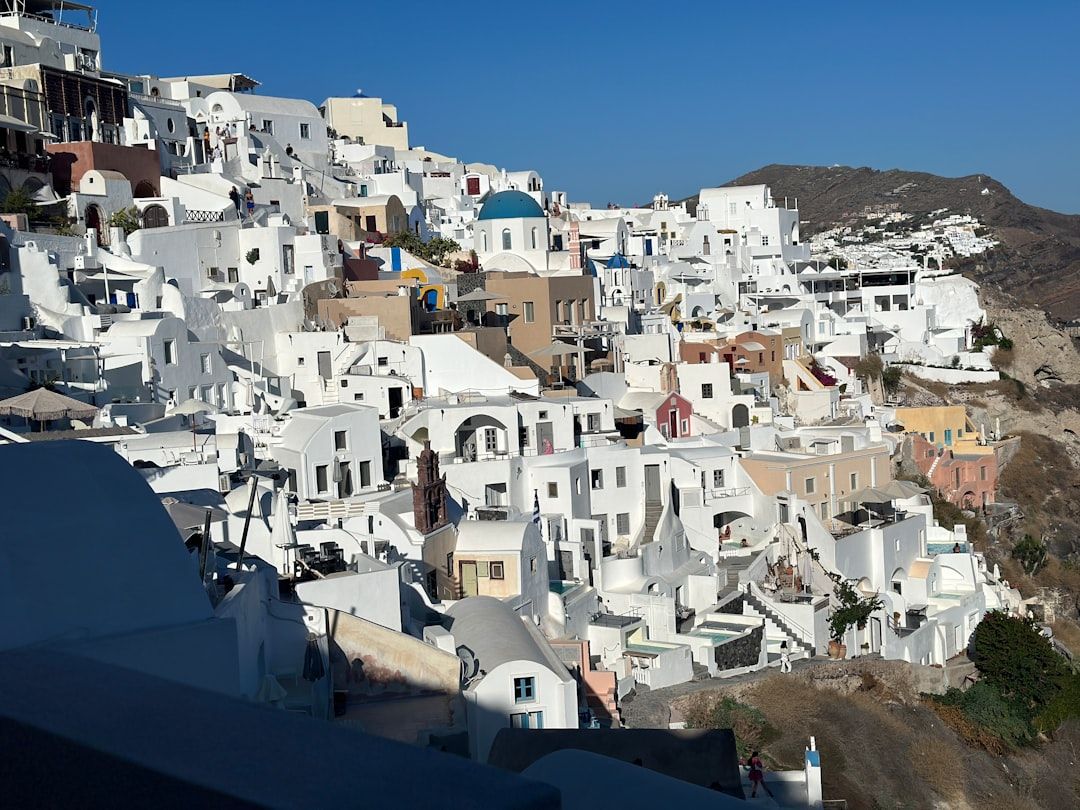
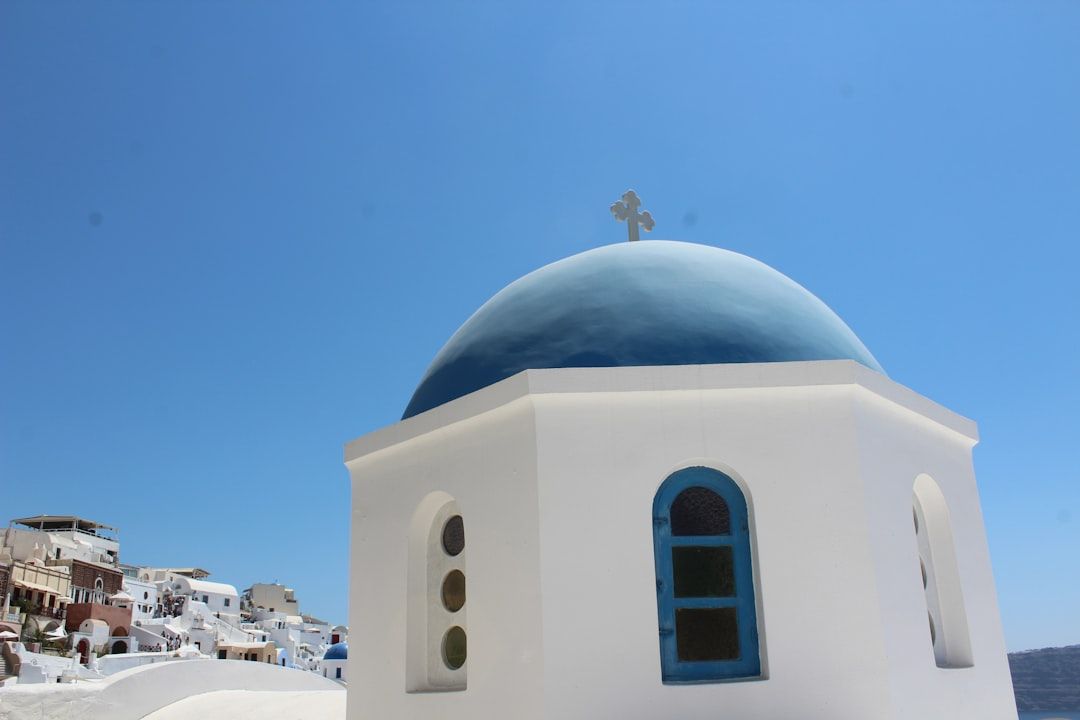
The most beautiful village and the most difficult to enjoy. Blue domes, white lanes, and by mid-morning a shuffling queue through streets built for donkeys. The hotels are spectacular and priced accordingly. If you stay here, you get the village back after 9pm, which is a genuine argument for it — but you will pay several hundred euros a night for the privilege.
Imerovigli — the recommendation
Fifteen minutes along the caldera rim, the highest point on the cliff, and the same view without the crush. Quieter, slightly cheaper, and a walkable path to Fira in twenty-five minutes. If you want a caldera view and a night's sleep, this is where to book.
Fira
The island's town: bus station, banks, shops, nightlife. Convenient and busy, with the cable car funnelling cruise passengers straight into it every morning. A reasonable base if you are not renting a car.
Pyrgos and the inland villages
The best value on the island and the choice for a second visit. Pyrgos is a medieval hill village in the centre with views over the whole island, real tavernas at half the caldera price, and no cruise traffic at all. You trade the caldera view for actually being somewhere.
Perissa and Kamari
The black-sand beach towns on the flat east coast. Cheapest beds, family-friendly, no caldera view. Fine if the sea matters more than the cliff.
What a caldera view costs
| May / Oct | Jul / Aug | |
|---|---|---|
| Oia, cave suite with private terrace | €350–700 | €600–1,400 |
| Imerovigli, caldera-view double | €200–380 | €380–750 |
| Fira, no view | €90–160 | €180–300 |
| Pyrgos or inland | €70–130 | €130–240 |
| Dinner with wine, per head | €30–50 | €35–60 |
The phrase to check before booking is "caldera view" versus "sea view". They are not the same thing and the price difference is large: sea view often means the flat east side, which is a perfectly nice view of water and not what you came for.
Also check the stairs. Cliffside hotels are built down the caldera face, and "200 steps to reception" is a real listing detail that people skim past and then regret with a suitcase.
The cruise-ship timetable
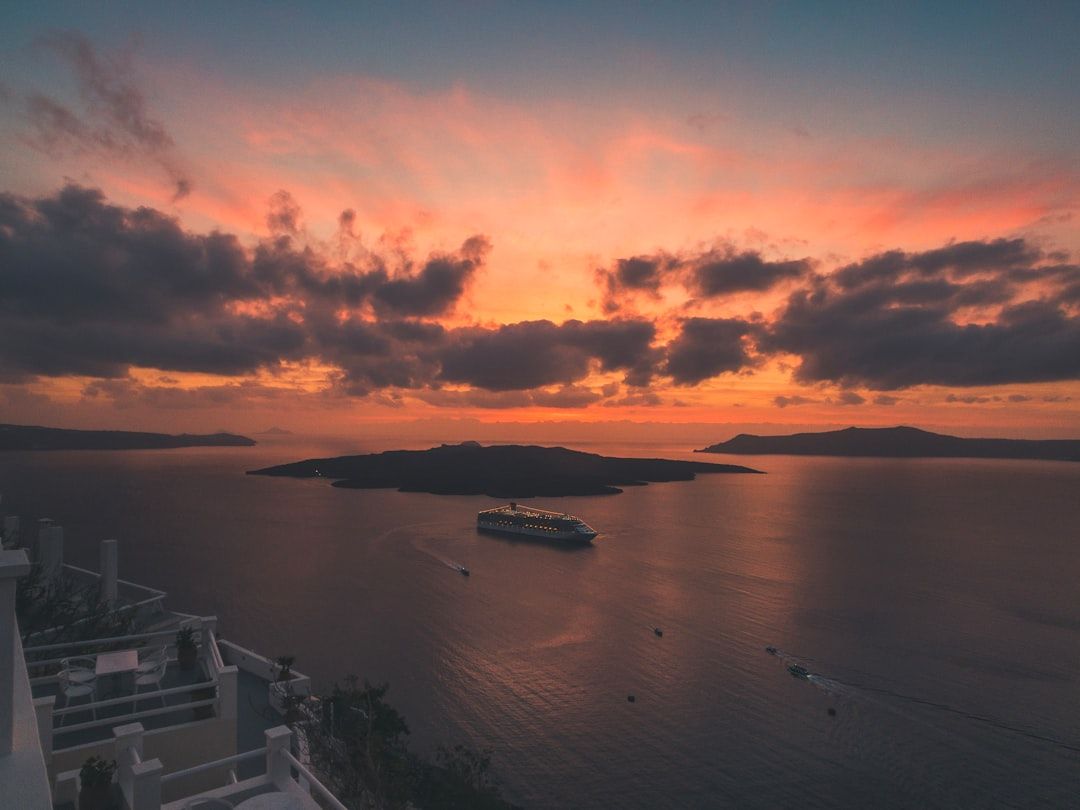
This is the most useful thing to know about the island. Ships anchor in the caldera in the morning, tender passengers ashore, and leave in the late afternoon. In practice:
- Before 10am — Oia and Fira are close to empty. This is when to walk them, and when the light on the white walls is best.
- 11am to 5pm — peak crowding on the rim. Go to a beach, a winery, or the inland villages instead.
- After 6pm — the ships leave and the island exhales. Dinner anywhere is pleasant again.
You can check how many ships are in on a given day before you book dinner or plan a walk; port schedules are published in advance and it genuinely changes how a day feels.
Sunset, without the scrum
Oia castle at sunset is a crowd two hours deep, with people arriving at five for a seven o'clock sun. It is not worth it. Better options, all with the same sun:
- Imerovigli, from the path near Skaros Rock. Same angle, a fraction of the people.
- A winery on the caldera rim — Santo or Venetsanos — where you watch it with a glass of Assyrtiko and a seat.
- A catamaran, which puts the island itself in the picture. Around €120–180 a head including dinner, and the one boat trip genuinely worth booking.
- Your own terrace, if you paid for a caldera room. Use it.
Getting around
The island is small — 18km end to end — but the roads are narrow and parking in Oia and Fira is genuinely difficult in summer.
- Buses run from Fira to everywhere for €2–3. Frequent in season, packed at peak hours, and the practical option if you are staying in Fira.
- A car for two or three days is worth it for the wineries and the south. Book ahead; stock runs out in August.
- ATVs are everywhere and account for most tourist injuries here. If you have never ridden one, this is not the place to learn.
- The Fira–Imerovigli–Oia cliff path is about 10km and one of the best walks in Greece. Start at 7am, carry water, wear real shoes — it is not a stroll.
The beaches are volcanic, and that matters
Nobody comes to Santorini for the swimming, and it is worth knowing why before you are disappointed. There is no soft sand on this island. The beaches are volcanic — black, red or grey pebble and coarse grit — and on a hot afternoon the black sand is genuinely too hot to walk on barefoot. Bring something for your feet.
- Perissa and Perivolos — the long black-sand stretch on the southeast coast, with beach bars, loungers and the easiest access. The default choice.
- Red Beach — dramatic rust-coloured cliffs and the island's most photographed shore. It is also subject to rockfall and has been partly closed at times; check before you go and do not sit under the cliff.
- Vlychada — wind-sculpted white cliffs that look lunar, quieter than Perissa, and the most interesting of them to look at.
- Amoudi Bay — not a beach but the fishing port below Oia, reached by 300 steps. Fish tavernas at the water, and a swim off the rocks by the little chapel.
The caldera side has essentially no beaches at all: it is a 300-metre cliff. If swimming matters to your trip, that is an argument for staying on the east coast, or for booking a hotel with a pool and treating the sea as an outing.
Wine, and the vines that lie on the ground
Santorini's wine is the most underrated thing on the island. The soil is volcanic ash and pumice, it almost never rains, and the vines survive by being woven into low ground-level baskets called kouloura that trap moisture and shelter the fruit from the wind. They look like nests. The vines are ungrafted and some are centuries old, because phylloxera cannot live in that soil.
The grape is Assyrtiko, and it produces a bone-dry, high-acid, mineral white that tastes of salt and citrus and is nothing like the resinous stuff people expect from Greece. The sweet version, Vinsanto, is made from sun-dried grapes and aged for years in barrel.
Tastings run €20–40 at the caldera-rim wineries and less at the smaller inland ones. Book Santo or Venetsanos for the view, or go to a small producer in the middle of the island if you care more about the wine than the terrace.
Getting there: ferry or fly
Santorini has a small airport with direct summer flights from much of Europe, plus year-round hops from Athens that take forty-five minutes. In peak season flights are the fast option and the airport is chaotic; allow more time than seems reasonable for departure.
The ferry from Piraeus takes five hours on a high-speed catamaran or eight on a conventional boat, and costs €40–80. The slow ferry is more comfortable in rough seas — the fast catamarans get cancelled or become unpleasant when the meltemi wind blows in July and August. Arriving by sea into the caldera is one of the great entrances in the Mediterranean, which is a reasonable argument for taking the boat one way and flying the other.
The port, Athinios, sits at the bottom of a switchback road with no town attached. Arrange a transfer or know which bus you want before you land; the scramble for taxis when a ferry unloads is unpleasant.
When to come
May and October are the two right answers: warm, everything open, sea swimmable by late May and still warm in October, and rates a third below August. June and September are excellent and busier. July and August are hot, extremely crowded and at peak price. November to March the island largely closes — many hotels and restaurants shut, ferries thin out, and the caldera in a winter storm is dramatic but lonely.
Frequently Asked Questions
Where should you stay in Santorini?
Imerovigli for a caldera view without Oia's crowds and prices, or Pyrgos inland for the best value and real tavernas. Fira suits visitors relying on buses; Oia is the most beautiful and the hardest to enjoy by day.
Is Oia worth visiting?
Yes — before 10am, when it is close to empty and the light is best. At sunset it is a crowd several thousand deep at one castle ruin; watch from Imerovigli, a caldera winery or a boat instead.
What is the best time to visit Santorini?
May or October. Both have warm weather, everything open and rates around a third below August. July and August bring peak heat, peak crowds and peak prices; winter closes much of the island.
How much is a caldera-view room?
€200–380 in Imerovigli in shoulder season, rising to €380–750 in high summer; Oia cave suites run considerably higher. Check the listing says ‘caldera view’ rather than ‘sea view’, and check how many steps there are to reception.
Do you need a car?
Not necessarily. Buses from Fira reach everywhere for a few euros. A car for two or three days is worth it for the wineries and the south of the island — book well ahead in summer.