Provence: The Lavender Is Three Weeks, the Region Is Not
Provence has a marketing problem and it is the lavender. The purple fields that sell the region flower for roughly three weeks, and half the people who come for them arrive in the wrong fortnight and leave disappointed by a field of green stubble. The region is worth a week in almost any month between April and October. The lavender is worth planning around only if you are willing to move your dates for it.
So: for lavender, aim at the first two weeks of July on the Valensole plateau. For Provence itself, come in May or September, base yourself in the Luberon, and plan the week around market days rather than sights.
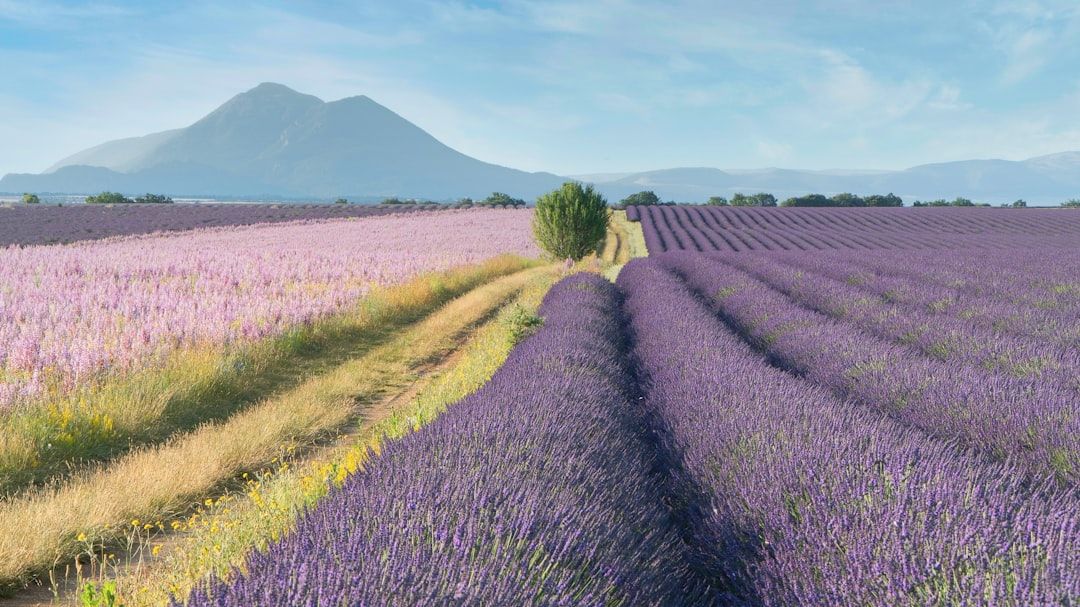
When does the lavender actually flower?
It depends on altitude, and that is the detail the postcards omit. Lavender on the higher, cooler Valensole plateau peaks later than lavender in the valleys, so the region has a rolling season rather than one date:
| Where | Peak, most years | Note |
|---|---|---|
| Valensole plateau | Late June – mid July | The big fields you have seen photographed. Harvest often starts around 15 July |
| Sault | Mid July – mid August | Higher and later; the reliable fallback if you arrive in August |
| Luberon valleys | Mid – late June | Smaller plots, prettier villages around them |
| Abbaye de Sénanque | Late June – early July | The famous abbey shot; small field, large crowd |
Two warnings worth having. Harvest can begin without notice if the weather turns, and a field photographed on Monday can be cut by Wednesday — check a recent local source rather than last year's blog post. And the fields are working farms: walking into rows to pose damages the plants and is resented, reasonably. Shoot from the verge.
Where to base yourself
The Luberon — the answer for most people
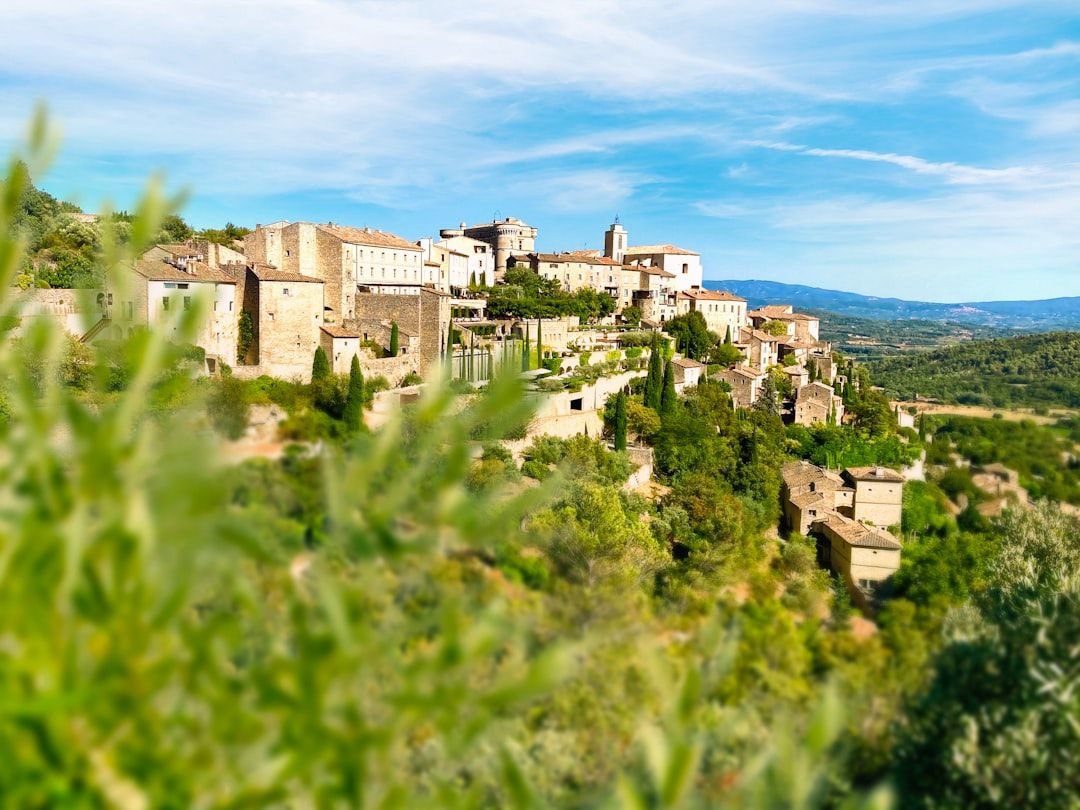
The stretch between Gordes, Roussillon, Ménerbes and Bonnieux is the Provence of the imagination: hilltop villages in honey-coloured stone, ochre cliffs, vineyards below. Everything is within forty minutes of everything else, which means you can be lazy and still see a lot. Gordes is the most photographed and the most expensive; Bonnieux or Lourmarin give you the same landscape with a village that still functions in the evening.
Around Saint-Rémy — for Roman ruins and Van Gogh
Flatter, closer to Avignon and Arles, with Glanum's Roman remains and the asylum where Van Gogh painted the olive groves. Better in shoulder season, when the Alpilles are walkable and the towns are not full.
Aix-en-Provence — if you want a city
Elegant, student-filled and lively year-round, with the best daily market in the region. The trade is that you are a drive from the countryside every morning. Good for a first-time visit with no car; poor as a base for the Luberon.
Avignon — for the trains, not the charm
The TGV station makes it the practical arrival point, and the Palais des Papes is genuinely worth a morning. As a base it is the weakest of the four: walled, busy, and further from the villages than it looks.
Plan the week around markets
This is the single best piece of Provençal advice and almost nobody follows it. Every town has one market day, they do not overlap, and the market is where the region is actually itself — not a tourist performance but where people buy dinner.
- Monday — Cavaillon, Bédoin
- Tuesday — Gordes, Vaison-la-Romaine, Saint-Saturnin
- Wednesday — Saint-Rémy-de-Provence, Sault
- Thursday — Roussillon, Nyons
- Friday — Lourmarin, Bonnieux, Carpentras
- Saturday — Apt, Arles, Uzès
- Sunday — L'Isle-sur-la-Sorgue, the antiques market and the best of them all
Go early — by eleven the good stalls are picked over and the parking is a kilometre out. Take cash and a basket. Buy lunch rather than a souvenir: a rotisserie chicken, tapenade, a goat's cheese rolled in herbs, and a bottle from the co-operative.
The mistral
Provence has a wind with a name, which should tell you something. The mistral funnels down the Rhône valley, blows for anything from one to several days, and is strongest between winter and spring. It is not dangerous but it does change a trip: it makes terraces unusable, closes some viewpoints, and turns a warm April day genuinely cold.
The upside is the light. The mistral scours the haze out of the sky, which is precisely why painters settled here — the clarity after a windy day is extraordinary. Pack a windproof layer even in June and treat a mistral day as a museum day.
What it costs
| Item | Shoulder (May, Sep) | Peak (Jul–Aug) |
|---|---|---|
| Village hotel or B&B, two | €110–190 | €180–320 |
| Mas or gîte with pool, week | €1,100–2,000 | €2,200–4,000 |
| Hire car, week | €230–380 | €350–550 |
| Lunch, village restaurant | €18–28 for the set menu | Same, but book |
| Wine at the co-operative | €6–12 a bottle | Same |
The gîte is the format that makes Provence affordable for four or more — a stone farmhouse with a pool for a week costs less per head than two hotel rooms, and the point of the region is long lunches at home anyway.
Driving and parking
You need a car. The villages are not connected to each other by useful public transport, and the landscape between them is half the reason to come.
- Park below the village, always. Hilltop villages have paid car parks at the base; the lanes above are for residents and are often too narrow to turn in.
- Fuel up before Sunday. Rural stations close and card-only pumps sometimes reject foreign cards.
- Book an automatic early if you need one — manual is the default and automatics sell out in summer.
- Expect the D-roads to be slower than the map says. They are beautiful, single-lane in places, and busy with tractors in September.
Wine, and what to actually order
Provence makes more rosé than anywhere on earth and most of what leaves the region is the cheap end of it. Drink better here than you would at home, because the good stuff barely travels: Bandol for reds with age in them, made from Mourvèdre on terraces above the sea; Cassis for whites, which almost nobody outside France has heard of; and rosé from Côtes de Provence proper rather than the supermarket blends.
The way to buy it is the cave coopérative — the village co-operative where growers pool their fruit. Every wine town has one, they are unglamorous, they sell at €6 to €12 a bottle, and they will let you taste. Some still fill five-litre plastic containers from a pump, which is how the locals buy it and costs about €2 a litre.
On the table, the regional dishes worth ordering are daube (beef stewed slowly in red wine and orange peel), pieds et paquets if you are adventurous, soupe au pistou in summer, and tapenade with everything. In Marseille and along the coast, bouillabaisse is the famous one — but a real one is expensive, ordered a day ahead, and served as two courses. Anything advertised cheaply on a tourist menu is not it.
Day trips worth the drive
- Pont du Gard — a three-tier Roman aqueduct that still stops people mid-sentence. Go late afternoon when the coaches have gone and the stone turns gold.
- Arles — a working town with a Roman amphitheatre still in use, and the Van Gogh sites without Saint-Rémy's polish. Saturday market is one of the best in France.
- Mont Ventoux — the bare white summit that breaks cyclists in the Tour. Driveable to the top from Bédoin; bring a jacket, because it is genuinely cold up there in July.
- The Camargue — flat wetland south of Arles with white horses, pink flamingos and salt pans. Utterly unlike the rest of Provence, which is the point.
- Les Baux-de-Provence — a ruined fortress on a limestone spur, plus the Carrières des Lumières light show in an old quarry beneath it.
A week that works
- Arrive Avignon TGV, collect the car, drive an hour to a gîte near Bonnieux.
- Roussillon and the ochre trail in the morning, when the cliffs are still shaded and cool.
- Sunday at L'Isle-sur-la-Sorgue — the antiques market, then lunch beside the water wheels.
- One day west: Saint-Rémy, Glanum, and the Pont du Gard in late afternoon light.
- One day up Ventoux, or to Sault if you are chasing late lavender.
- Two days doing nothing at the gîte. This is not filler; it is the trip.
Frequently Asked Questions
When does the lavender bloom in Provence?
Late June to mid-July on the Valensole plateau, and mid-July to mid-August at higher-altitude Sault. Harvest can start early if the weather turns, so check a recent local source rather than last year's photos before fixing dates.
Where should you stay in Provence?
The Luberon, for most people — Bonnieux or Lourmarin give you the hilltop-village landscape with a town that still lives in the evening. Aix suits visitors without a car; Avignon is the practical arrival point but the weakest base.
Do you need a car in Provence?
Yes. The villages are barely connected to each other by public transport and the drives between them are half the appeal. Park in the paid car park below each village rather than attempting the lanes above.
What is the mistral?
A strong wind that funnels down the Rhône valley for one to several days, strongest from winter into spring. It makes terraces unusable and can turn a warm day cold — but it clears the sky, which is why the light here is famous.
What is the best month to visit?
May or September: warm, settled, and without August's crowds and prices. July works if lavender is the priority, but expect the busiest roads and the highest rates of the year.