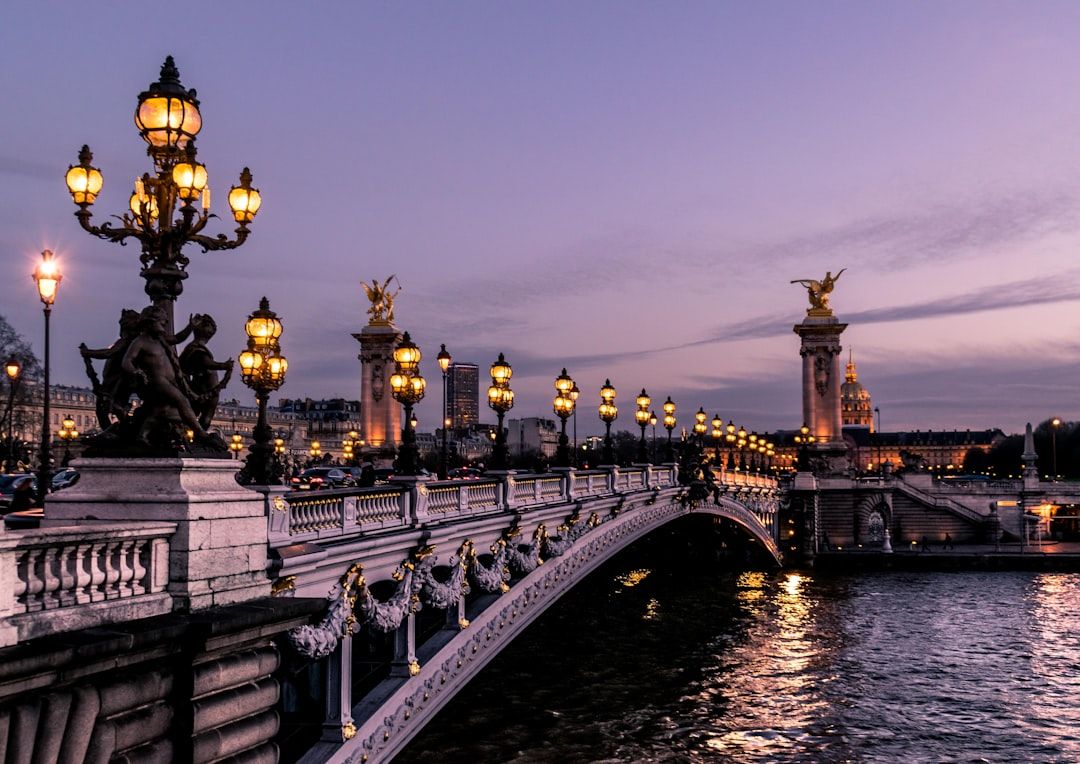
Premium Travel Guide Paris
Paris has 38 million visitors a year and most of them see the same five things: the Eiffel Tower, the Louvre, Notre-Dame, the Champs-Élysées, and Sacré-Cœur. Those are fine — the Eiffel Tower is genuinely worth seeing — but they're the surface of a city that has 130 museums, 460 parks, and 6,000 restaurants. Here's a Paris guide for people who want more than the surface.
The Museums Parisians Actually Visit
The Louvre is the most visited museum in the world and it's exhausting. The Mona Lisa is behind bulletproof glass, surrounded by 200 people holding phones, and it's smaller than you think. If you must go, go Wednesday evening (open until 9:45 PM) and head straight to the Denon wing — the crowds thin after 7 PM.
But the Louvre is not the best museum in Paris. These are:
- Musée d'Orsay (€16): The best Impressionist collection in the world, housed in a converted railway station. Monet, Renoir, Degas, Van Gogh, Cézanne — the greatest hits of 19th-century painting. Go at 9:30 AM. The building itself is worth the ticket.
- Musée de l'Orangerie (€12.50): Monet's Water Lilies, installed in two oval rooms designed by Monet himself. The rooms are lit by natural light from skylights, and the paintings change color as the sun moves. 45 minutes, and the most peaceful 45 minutes in Paris.
- Musée Carnavalet (Free): The history of Paris museum, in a 16th-century mansion in the Marais. The rooms are decorated in period styles — a Louis XIV salon, a Revolutionary café, an Art Nouveau jewelry shop. It reopened in 2021 after a 4-year renovation and nobody goes.
- Musée Jacquemart-André (€12): A 19th-century banker's mansion on Boulevard Haussmann, preserved exactly as he left it. Italian Renaissance paintings, French furniture, a winter garden with a spiral staircase. It's what the Frick Collection would be if it were in Paris. Never crowded.
- Picasso Museum (€14): In a 17th-century mansion in the Marais. The collection is enormous — paintings, sculptures, ceramics, sketches — and the building is as beautiful as the art. Go in the morning.
Where to Eat (No English Menus)
The rule for eating in Paris: if the menu is in English, walk away. If the menu is handwritten in French, sit down. If there's no menu and the waiter tells you what they have, you've found the right place.
Le Servan (€30-40): Rue Saint-Maur, 11th arrondissement. Two sisters run it. The menu changes daily. The duck with olives and the chocolate tart are the reasons to go. No reservations — arrive at 7:30 PM or wait.
Le Baratin (€35-45): Rue de Belleville, 20th arrondissement. A wine bar with a kitchen that produces some of the best food in Paris. The chef is Corsican. The charcuterie is made in-house. The wine list is natural and cheap — €4 a glass.
Chez Aline (€15-20): Rue de la Roquette, 11th. A sandwich shop run by a former chef from Le Comptoir. The jambon-beurre is €6 and it's the best sandwich in Paris. Eat it in the nearby Père Lachaise cemetery, on a bench near Jim Morrison's grave.
Marché des Enfants Rouges (€10-20): Rue de Bretagne, 3rd. The oldest covered market in Paris (1615). Moroccan, Lebanese, Italian, Japanese stalls — you order at the counter and eat at communal tables. Go at noon on a weekday. The Moroccan tagine is €12.
Bistrot Paul Bert (€40-50): Rue Saint-Maur, 11th. The classic Parisian bistro that everyone says is overrated and everyone still goes to. The steak frites is the best in Paris. The île flottante for dessert is the reason it's been packed since 2002. Book ahead.
The Arrondissements That Matter
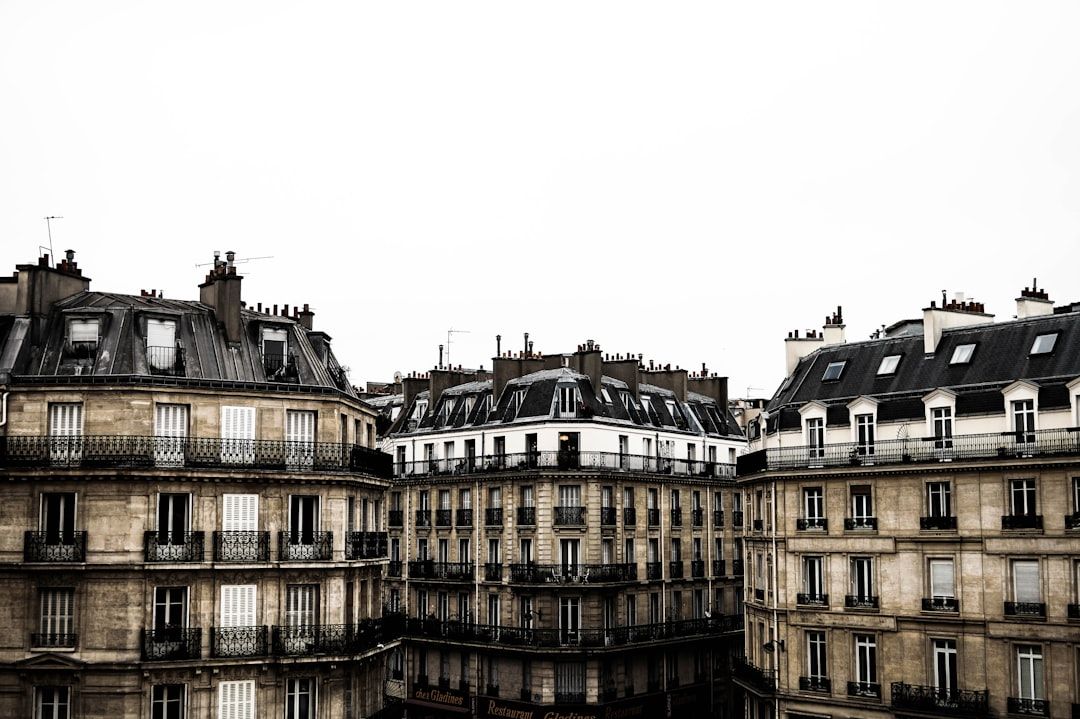
Paris has 20 arrondissements, arranged in a spiral from the center. The tourist sights are in the 1st through 8th. The interesting city is in the 10th, 11th, 19th, and 20th.
10th (Canal Saint-Martin): The coolest neighborhood in Paris. The canal is lined with iron footbridges and plane trees. Young Parisians sit on the banks with wine and baguettes in the evening. The restaurants along Rue du Faubourg Saint-Denis are the best value in the city — Turkish, Kurdish, Senegalese, and French, all within five blocks.
11th (Bastille/Oberkampf): The eating and drinking district. More bars and restaurants per square meter than anywhere else in Paris. Rue Saint-Maur alone has five restaurants worth visiting. The nightlife around Oberkampf starts at 10 PM and goes until 2 AM.
19th (Buttes-Chaumont): The most underrated park in Paris. Buttes-Chaumont is built on a hill with a lake, a waterfall, a suspension bridge, and a temple on the top. It's wilder and less manicured than Luxembourg Gardens, and the locals use it like a living room. The neighborhood around it (Belleville) is the Chinatown of Paris — dim sum for €8.
20th (Père Lachaise): The cemetery is the attraction — Chopin, Morrison, Wilde, Piaf, and 70,000 other graves. It's the largest park in Paris that's also a cemetery. The neighborhood around it (Ménilmontant) is working-class, cheap, and full of bars that serve natural wine for €4 a glass.
The Parks (Not Luxembourg)
Luxembourg Gardens is beautiful but it's where every tourist goes. Try these instead:
- Promenade Plantée (Coulée Verte): An elevated park on an abandoned railway line, from Bastille to the Bois de Vincennes. 4.5 km of gardens, arches, and bridges. It's the High Line before the High Line existed. Start at the stairs near Opéra Bastille.
- Parc des Buttes-Chaumont: See above. The most dramatic park in Paris — cliffs, a lake, a waterfall.
- Parc Monceau (8th): A small, formal park with a Roman temple ruin, a Dutch windmill, and an English garden. The rich Parisians of the 8th arrondissement walk their dogs here. Free.
When to Go
Paris is good year-round but it's best in May-June and September-October. The light is soft, the temperatures are 18-25°C, and the tourist crowds are half what they are in July.
Avoid August. Parisians leave the city in August — up to 50% of restaurants and shops close. The city feels empty and the ones that stay open charge tourist prices. The weather is also 30-35°C with no air conditioning in most buildings.
November-February is cold (5-10°C) and grey, but the museums are empty, hotel prices drop by half, and the cafés are warm and full. If you can handle the weather, winter is the most Parisian time to visit.
How Long
Three days minimum. One day for the Marais (museums, food, walking), one day for the 10th/11th (canal, restaurants, nightlife), one day for the major sights (Eiffel Tower, Notre-Dame area, one museum). Add a fourth day for day trips — Versailles (40 minutes by RER), Giverny (Monet's garden, 45 minutes by train), or Reims (Champagne cellars, 45 minutes by TGV).
Money
Paris is expensive but not as expensive as London or Scandinavia. A coffee at a counter is €1.50-2 (sit down and it's €4-5). A croissant is €1.20-2. A lunch menu (prix fixe) is €14-18. A dinner at a good bistro is €35-50. A hotel room is €100-180 in the center, €70-120 in the 10th-20th. The metro is €2.15 per ride or €15 for a weekly Navigo pass.
The trick to Paris is to eat your main meal at lunch. Most bistros offer a prix fixe at €14-18 — entrée, main, dessert. The same food at dinner is €35-50. Eat lunch at 1 PM (when Parisians eat), have a pastry at 4 PM, and a light dinner at a wine bar at 9 PM.