Porto: The Port Lodges Are Across the River, and Other Things Nobody Tells You
Porto is built on the side of a gorge, which is the single most important fact about visiting it. Every walk is either up or down, the distances on the map are lies, and the city that looks compact enough to cross in twenty minutes will take you fifty and leave you needing a sit down.
It is also, once you accept that, one of the most enjoyable cities in Europe: granite and azulejo tiles, a working river, a food culture that has not been sanded down for visitors, and a wine industry sitting in warehouses you can walk into.
Three days is right. Stay above the river rather than in it, and plan every day to end downhill.
The port lodges are not in Porto
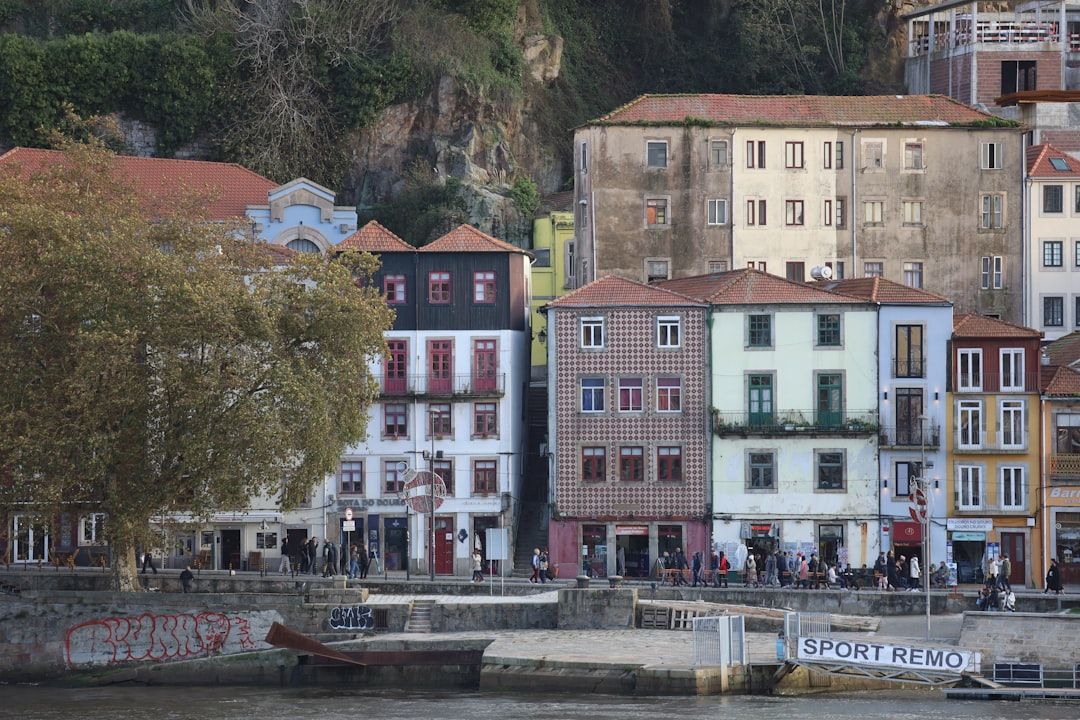
This confuses almost everyone. The famous port houses — Taylor's, Graham's, Sandeman, Cálem, Ferreira — are in Vila Nova de Gaia, a separate municipality on the south bank, across the Dom Luís I bridge. Porto grows none of the grapes and ages none of the wine; the grapes come from the Douro valley upriver, and the wine matures in Gaia's cool riverside warehouses.
How the tours work in practice:
- A standard tour and tasting runs 45–60 minutes and costs €18–30, including two or three glasses. Most houses run them hourly in several languages.
- Book ahead in season. The big names sell out days in advance from May to September; walk-ins are realistic only at the smaller lodges.
- Two lodges in a day is the limit. Port is 20% alcohol and the tastings are not small. Three is a mistake people make once.
- Taylor's has the best garden and a peacock; Graham's has the best view; Cálem is the most touristy and includes a fado show; the small houses like Kopke or Quevedo give you a proper tasting flight without the coach parties.
Walk across the upper deck of the Dom Luís bridge for the view — it is the metro level, pedestrians allowed, and the drop is genuinely vertiginous. Come back on the lower deck at river level.
What to drink, since you are here
| Style | What it is | Drink it |
|---|---|---|
| Ruby | Young, fruity, aged in large vats | The entry point. Cold, as an aperitif |
| Tawny (10/20/30 yr) | Aged in small barrels, oxidised, nutty | The one most people end up preferring |
| White port | From white grapes, dry to sweet | With tonic and ice — the local summer drink |
| Vintage | Single exceptional year, bottle-aged | Expensive, and needs decanting |
| Colheita | Single-year tawny, cask-aged for decades | The connoisseur's pick, and good value |
If you buy one bottle to take home, make it a colheita from your birth year — the shops on Rua das Flores stock them and they cost a fraction of what a vintage does.
Where to stay
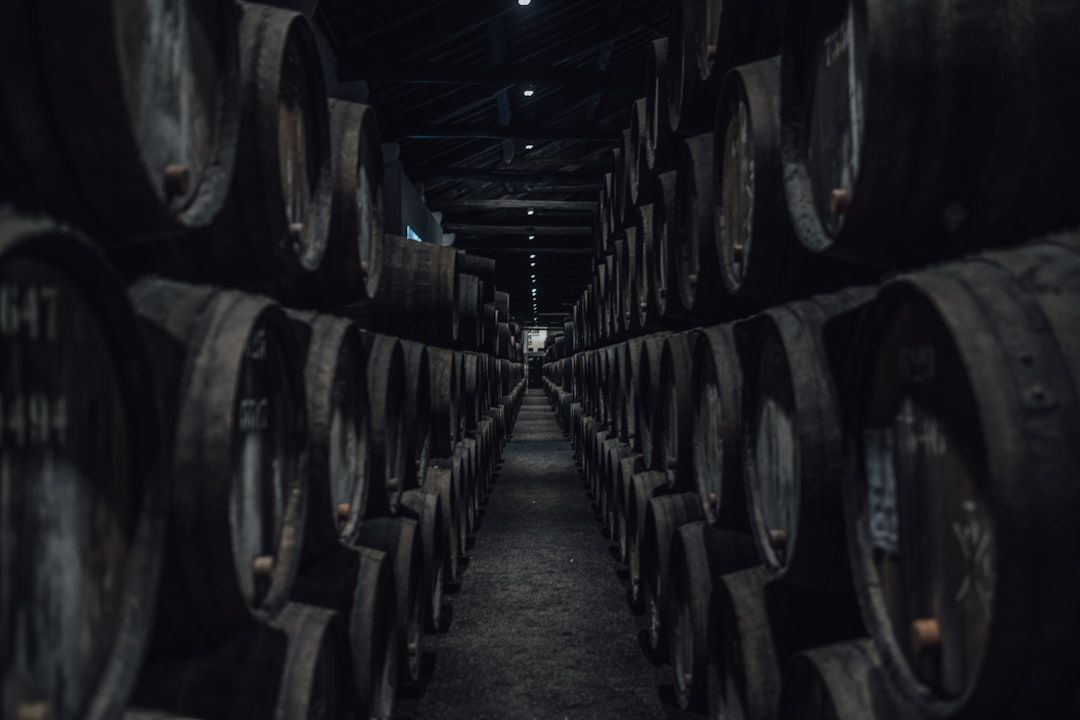
Ribeira — the postcard, and the noise
The riverside strip of stacked coloured houses under the bridge. Beautiful, and the most touristed square metre in the city; restaurants here are the worst value in Porto. Fine for one night if you want to wake up to that view, less good for three.
Baixa and Cedofeita — the recommendation
The central streets around Rua das Flores, Rua de Cedofeita and Praça dos Clérigos. Everything walkable, downhill to the river, uphill home — but you can take the funicular. Good hotels at reasonable rates, and the restaurants are where people actually eat.
Bolhão and Bonfim — for value
Just east of the centre, around the market. Cheaper, more residential, ten minutes further from everything, and increasingly where the interesting new places open.
Foz do Douro — for the sea
Where the river meets the Atlantic, 6km west. Quiet, moneyed, with a beach promenade and good seafood. A tram or a 20-minute bus from the centre — a choice for a second visit or a longer stay.
Eat like this
Porto's food is heavy, cheap and very good. The things worth ordering:
- Francesinha — the city's own sandwich: layers of meat under melted cheese, drowned in a beer-and-tomato sauce, usually with chips. It is enormous and it is not a light lunch. Café Santiago and Brasão are the standard recommendations.
- Bacalhau — salt cod, prepared perhaps three hundred ways. À Brás (shredded, with egg and potato) is the friendliest introduction.
- Tripas à moda do Porto — tripe stew, and the reason locals are nicknamed tripeiros. An acquired taste with a good story behind it.
- Bifana — a thin pork steak in a bread roll, eaten standing up for about €3.50. The best cheap meal in the country.
- Pastel de nata — better here than most places claim, and Manteigaria makes them all day.
Lunch is the meal to spend on: the prato do dia at a neighbourhood tasca is €8–12 including soup, a main, bread and often wine. The same food in the evening in Ribeira costs three times that.
The Douro valley
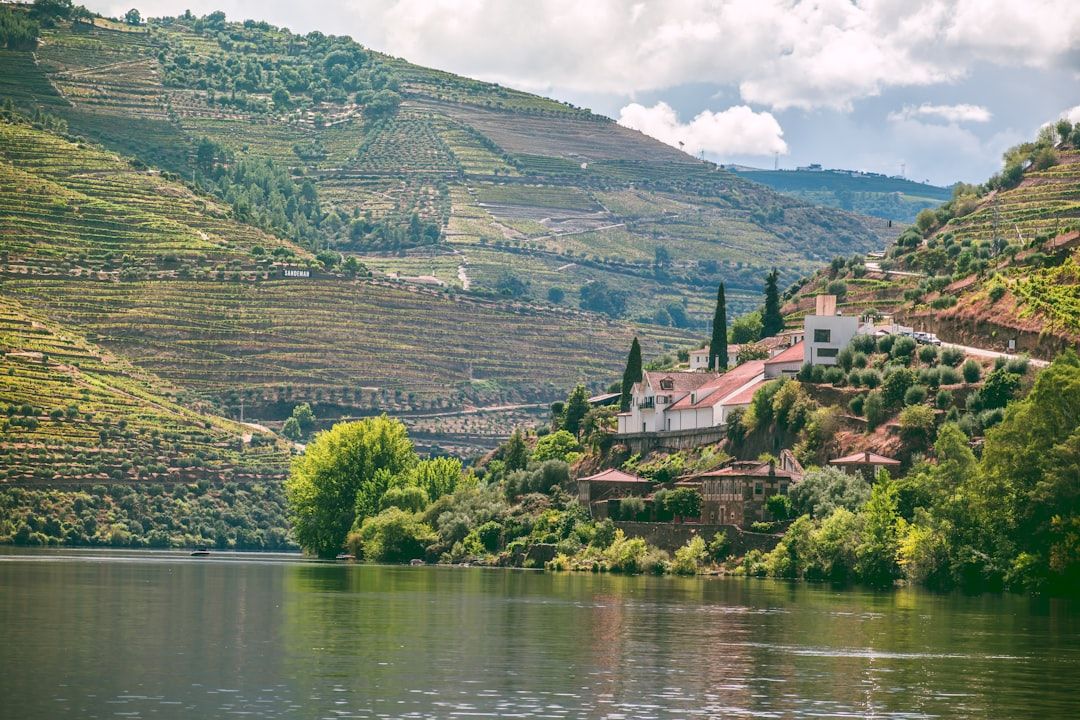
The valley where the port grapes grow is 100km upriver and it is the reason to add a fourth day. Terraced schist hillsides drop to the water at angles that look impossible, and the landscape is a UNESCO site.
- By train — the Linha do Douro from São Bento to Pinhão, about 2h20, and for the last hour it runs right along the water. Around €14 each way and one of the great European rail journeys. Sit on the right going out.
- By tour — €75–110 a head, typically two quintas, lunch and a short boat trip. The efficient option if you want to taste and not drive.
- By car — the N222 from Peso da Régua to Pinhão is regularly called one of the best drives in the world. Which does mean someone has to not drink.
Stay a night at a quinta if you can. The valley in the evening, after the day-trippers go, is a completely different place.
What three days costs
| Item | Modest | Comfortable |
|---|---|---|
| Central double room, per night | €60–95 | €110–190 |
| Lunch, prato do dia | €8–12 | €15–25 |
| Dinner with wine | €15–22 | €30–50 |
| Port lodge tour | €18–30 | €35–60 for a premium flight |
| Douro day trip | €28 by train | €75–110 guided |
| Metro / bus single | €1.60–2.00 | — |
Porto is still one of the better-value cities in Western Europe, though noticeably less so than five years ago. Two people can have a very good three days for €500 excluding flights.
Practical notes
- São Bento station is worth walking into even if you are not catching a train — 20,000 azulejo tiles across the entrance hall. Free, takes five minutes.
- Livraria Lello charges an entry fee that comes off a book purchase, and queues for an hour in season. Beautiful, and genuinely crowded to the point of unpleasantness.
- The funiculars and the tram save your legs. The Funicular dos Guindais runs from Ribeira up to Batalha for a couple of euros and spares you the worst climb in the city.
- Rain is real. Porto gets substantially more of it than Lisbon, especially November to March. Pack a proper jacket, not an optimistic one.
- Cobbles everywhere, often wet and polished. Wear shoes with grip; this is not a place for smooth soles.
Arriving and getting around
Porto's airport is genuinely well connected to the city, which is not something you can say about most of Europe. The metro line E (violet) runs from the terminal to the centre in about 30 minutes for roughly €2.60 including the card, and it runs from early morning until well after midnight. A taxi is €25–30 and often slower in traffic.
Inside the city, the metro is clean and useful but only covers part of it — Porto is a walking city with funicular assistance. Buy an Andante card, load it with zone-2 trips, and validate every time you board. Uber and Bolt both operate and are cheap by Western European standards.
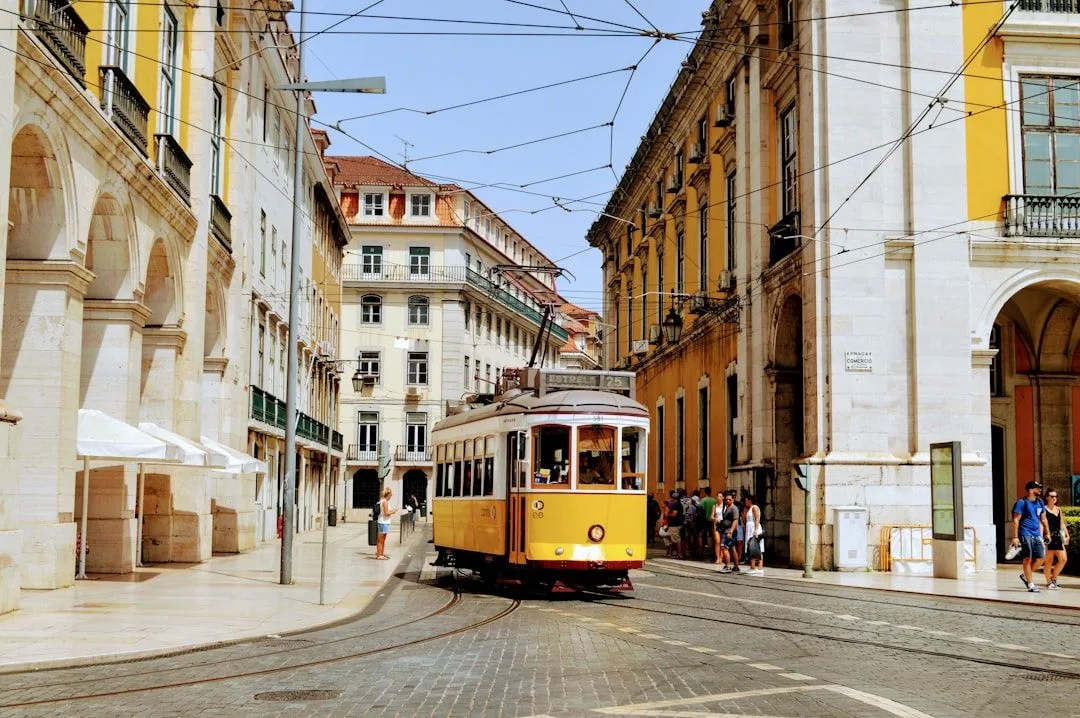
One warning: the historic tram lines 1, 18 and 22 are charming and are not really transport. Line 1 along the river to Foz is a lovely twenty minutes and costs €6 — treat it as a sightseeing ride rather than a way of getting somewhere.
Frequently Asked Questions
Are the port wine lodges in Porto?
No — they are in Vila Nova de Gaia, across the Dom Luís I bridge on the south bank. The grapes are grown in the Douro valley upriver and the wine is aged in Gaia's riverside warehouses; Porto itself neither grows nor stores it.
How many port lodges should you visit in a day?
Two. Port is around 20% alcohol and the tastings are generous — three lodges in an afternoon is a mistake most people only make once. Book ahead at the big houses from May to September.
Where should you stay in Porto?
Baixa or Cedofeita for most visitors — central, walkable and where people actually eat. Ribeira is the postcard but the noisiest and worst value; Bolhão is cheaper; Foz suits a longer stay by the sea.
Is the Douro valley worth a day trip?
Yes, and it is the best reason to add a fourth day. The train from São Bento to Pinhão costs about €14 each way and runs beside the river for the final hour; guided tours with tastings run €75–110.
How much does three days in Porto cost?
Roughly €500 for two people excluding flights, at a comfortable rather than lavish level. Lunch is where the value is — a neighbourhood prato do dia runs €8–12 including soup, a main and often wine.