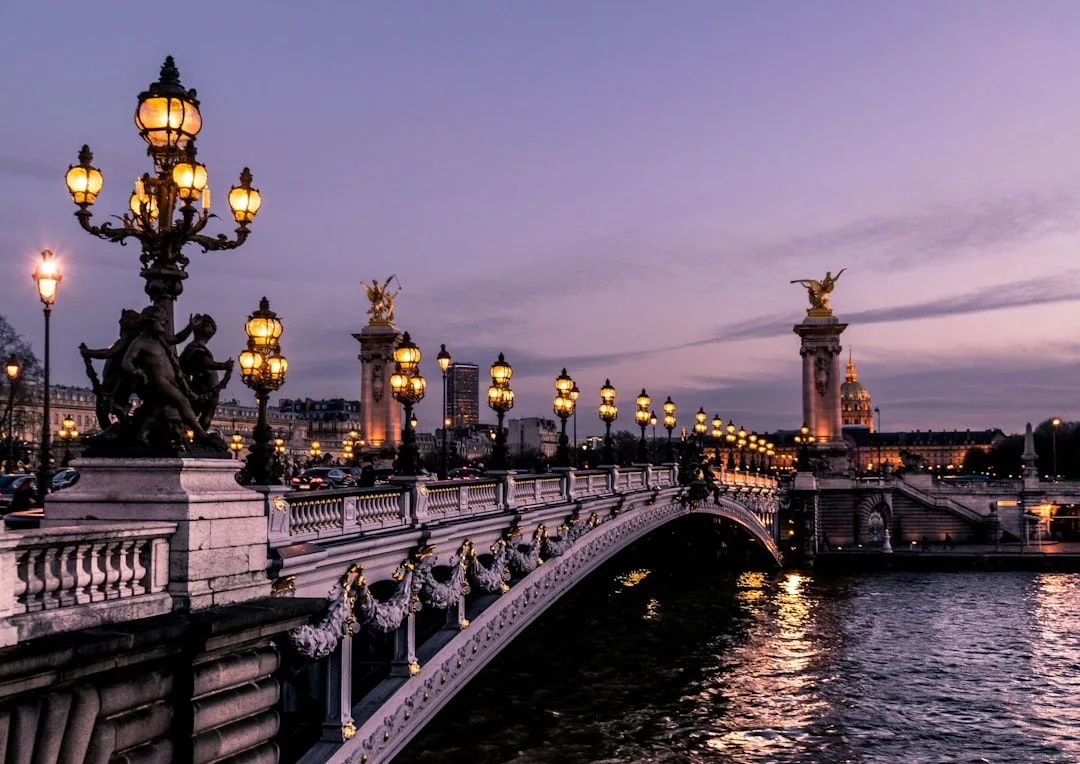
Paris Trip Guide: Complete Travel Guide
Paris is the most visited city in the world and it's also the city where people make the most mistakes. They stay in the wrong neighborhood, eat at the wrong restaurants, queue for the wrong museums, and go in August when half the city is closed. This guide fixes all of that. It's a complete plan for a first trip — where to stay, what to see, where to eat, and how to get around — based on the principle that Paris is a city to walk in, eat in, and sit in cafés in, not a checklist of sights to power through.
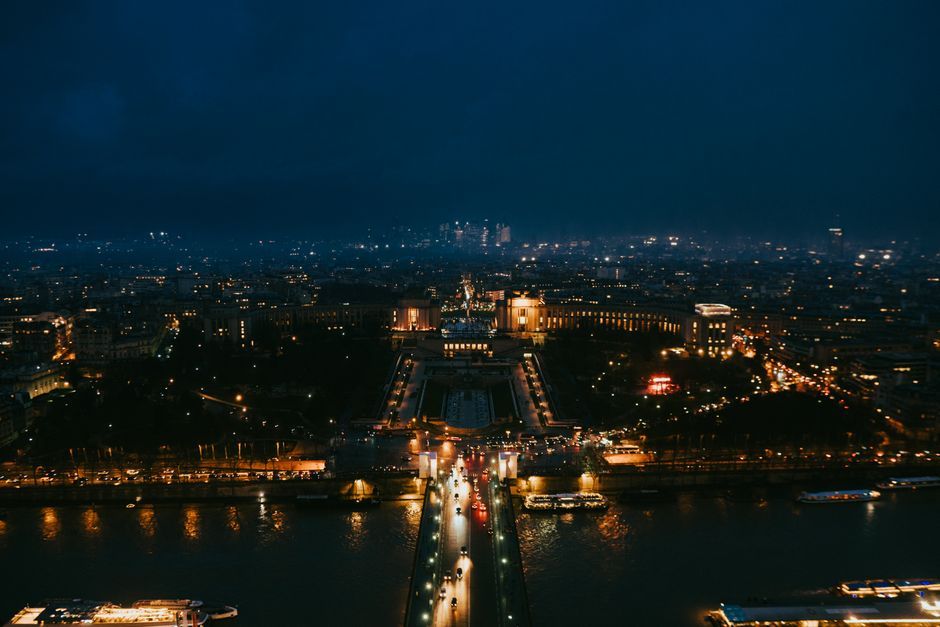
Where to Stay
The single most important decision in Paris is your arrondissement. Paris has 20 arrondissements arranged in a spiral from the center. The wrong one means you'll spend your trip on the metro and eat at tourist restaurants every night.
Best for first-timers: 4th or 5th arrondissement (Le Marais / Latin Quarter). Central, walkable to most sights, full of restaurants and cafés that locals actually use. Hotel rooms: €100-180/night.
Best for food and nightlife: 10th or 11th arrondissement. Canal Saint-Martin, Oberkampf, Bastille. The best restaurants and bars in Paris. Slightly further from the main sights but on direct metro lines. Hotel rooms: €70-120/night.
Best for quiet and charm: 6th arrondissement (Saint-Germain-des-Prés). The most beautiful neighborhood in Paris — cobblestones, antique shops, and the Luxembourg Gardens. Expensive (€150-250/night) but worth it if you can afford it.
Avoid: The 1st (around the Louvre — dead at night), the 8th (around the Champs-Élysées — corporate and overpriced), the 18th around Barbès (rough at night), and anything near the Gare du Nord (noisy and unpleasant).
How to Get Around
Metro: The metro is the fastest way to get around Paris. 16 lines, 300+ stations. A single ticket is €2.15. A pack of 10 is €17.35. A weekly Navigo pass is €30.75 (Monday-Sunday, requires a passport photo). Buy a Navigo Easy card (€2) at any station and load it with tickets. The metro runs 5:30 AM to 1:20 AM (2:15 AM on weekends).
Walking: Paris is a walking city. The historic center is compact — you can walk from the Louvre to Notre-Dame in 15 minutes, from the Marais to the Latin Quarter in 20. Walking is how you find the things you didn't plan to find — the bakery with the best croissant, the bookshop you didn't know about, the square with the perfect bench.
RER: The suburban train. You need it for Versailles (RER C, €7.60 round-trip, 40 minutes), Charles de Gaulle airport (RER B, €13.20, 35 minutes), and Orly airport (RER B + Orlyval, €12.05, 35 minutes).
Taxi/Uber: A taxi from CDG to central Paris is €55-60 (flat rate). Uber is €40-50. Within the city, a 10-minute ride is €12-18. Use the metro — it's faster during the day.
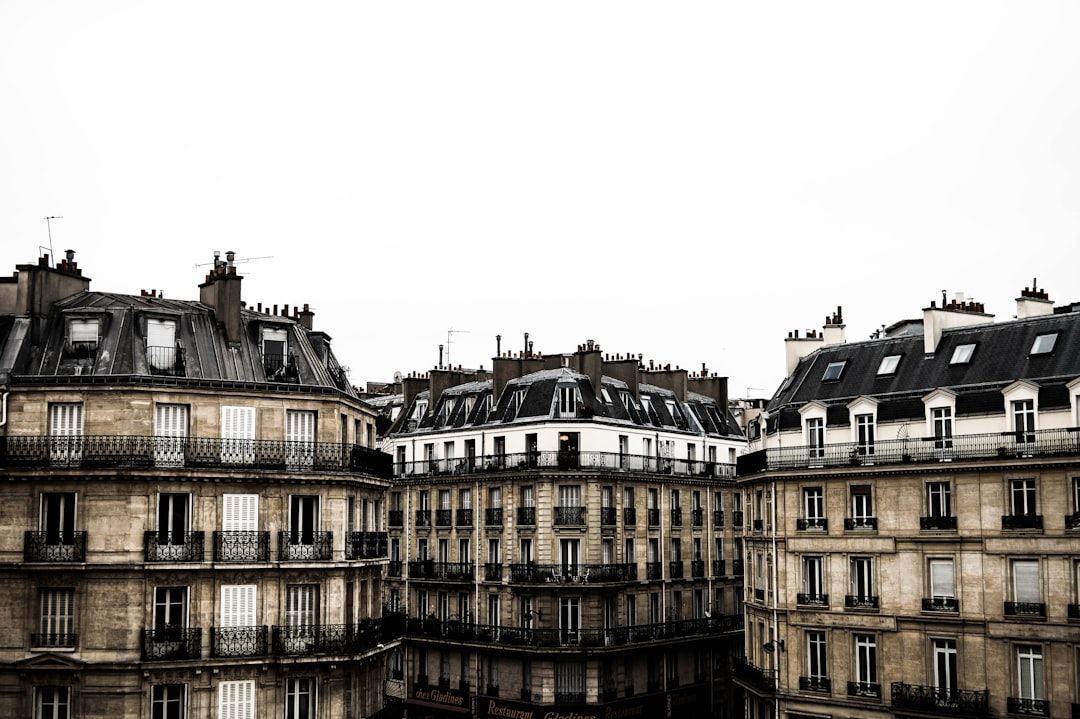
The Sights (Ranked by Priority)
Must See (Book Ahead)
- Musée d'Orsay (€16): The best museum in Paris. Impressionist masterpieces in a converted railway station. Book ahead at billetterie.musee-orsay.fr. Go at 9:30 AM. 3 hours.
- Louvre (€22): The largest museum in the world. Go Wednesday evening (open until 9:45 PM). Don't try to see everything — pick 3 wings: Italian paintings (Mona Lisa, Wedding at Cana), Egyptian antiquities, and the Apollo Gallery (the most opulent room in Paris). 3 hours.
- Eiffel Tower (€26.80-35.30): Book ahead at ticket.toureiffel.paris. Take the stairs to the 2nd floor (€19.70) — the queue is shorter than the elevator and the view is the same. Go at sunset. The tower sparkles for 5 minutes at the top of every hour after dark.
- Sainte-Chapelle (€13): The most beautiful interior in Paris — 15 stained glass windows from the 13th century, covering 618 square meters. 30 minutes. Book ahead. Near the Conciergerie (where Marie Antoinette was imprisoned, €11, combo ticket with Sainte-Chapelle €20).
Should See (No Booking Needed)
- Pantheon (€11.50): The building where France buries its heroes — Voltaire, Rousseau, Hugo, Zola, Curie. The Foucault pendulum swings from the dome. The view from the colonnade (€3.50 extra) is the best in Paris.
- Musée de l'Orangerie (€12.50): Monet's Water Lilies in two oval rooms. 45 minutes. In the Tuileries Garden.
- Père Lachaise Cemetery (Free): The most beautiful cemetery in the world. Chopin, Morrison, Wilde, Piaf. Bring a map (available at the entrance). 2 hours.
- Notre-Dame (Free): Still under restoration from the 2019 fire. The exterior is visible and the reconstruction is fascinating to watch. The archaeological crypt (€8) is open.
Free Alternatives
- Musée Carnavalet: Free. The history of Paris museum, in a 16th-century mansion.
- Petit Palais: Free. Fine arts museum with a garden café.
- Promenade Plantée: Free. The elevated park — the original High Line.
- Walking along the Seine: Free. The best free thing in Paris. Walk from Notre-Dame to the Eiffel Tower along the river — 5 km, 1.5 hours, past every major sight.
Where to Eat
The rules: no restaurants with menus in English. No restaurants within 500 meters of a major sight. No restaurants with someone standing outside inviting you in. If the menu is handwritten in French and the waiter is impatient, you're in the right place.
Cafés (breakfast/light lunch): Any café on a corner will do. A coffee (espresso) is €1.50-2 at the counter, €4-5 at a table. A croissant is €1.20-2. A tartine (baguette with butter and jam) is €4. The best croissants in Paris are at Du Pain et des Idées (34 Rue Yves Toudic, €1.50) — go at 7 AM, they sell out by 10.
Lunch (prix fixe): Most bistros offer a formule (entrée + main or main + dessert) for €14-18. This is the best value in Paris. The same food at dinner is €35-50.
- Le Petit Vendôme (8th): €16 for entrée + main. The steak frites is the reason to come.
- Bistrot Victoires (2nd): €15 for main + dessert. The duck confit is €14.
- Chez Gladines (13th): €12-16. Basque food. The salade landaise (salad with duck, gizzards, and foie gras) is €13 and enormous.
Dinner:
- Le Servan (11th, €30-40): Two sisters, daily-changing menu. The duck with olives and the chocolate tart.
- Bistrot Paul Bert (11th, €40-50): The classic Parisian bistro. Steak frites and île flottante. Book ahead.
- Le Baratin (20th, €35-45): Natural wine bar with a Corsican chef. The charcuterie is made in-house.
When to Go
Best: May-June and September-October. 18-25°C, soft light, half the crowds of summer.
Avoid: August. Parisians leave, restaurants close, it's 35°C with no AC. Also avoid Easter week and the Christmas holidays — crowded and expensive.
Underrated: November-February. Cold (5-10°C) and grey, but museums are empty, hotels are half-price, and the cafés are warm and full. Pack a coat and a scarf.
3-Day Itinerary
Day 1: Marais walking tour — Place des Vosges, Picasso Museum, falafel at L'As du Fallafel (Rue des Rosiers), walk to Notre-Dame, Sainte-Chapelle, Luxembourg Gardens. Dinner in the 5th.
Day 2: Musée d'Orsay (9:30 AM), walk through the Tuileries to the Louvre (Wednesday evening), walk along the Seine at sunset, Eiffel Tower at night. Dinner in the 7th.
Day 3: Canal Saint-Martin walk (morning), Marché des Enfants Rouges (lunch), Père Lachaise Cemetery (afternoon), Montmartre and Sacré-Cœur at sunset. Dinner in the 11th.
Money
Paris is expensive but manageable. A hotel room is €80-180/night. A meal at a bistro is €25-40. A coffee is €2. The metro is €2.15. Budget €100-150/day including accommodation. Eat your main meal at lunch (prix fixe €14-18), have a pastry at 4 PM, and a light dinner at a wine bar (€15-20). This cuts your food budget in half without eating less well.