Lisbon in Three Days, Written by Someone Who Got the Hills Wrong
Two things about Lisbon are underestimated by nearly everyone who books it. The first is the hills — they are not gentle, they are cobbled, and the cobbles are polished to a shine by four centuries of feet. The second is the size. Lisbon reads on a map like a compact old town and is in fact a large capital where the sights are spread across several kilometres of very uneven ground.
Plan for that and it is superb: light off the river, tiled facades, food that punches above the price, and a melancholy that the city has made into an actual musical genre.
Three days does the centre. Four lets you add Sintra without rushing it.
Where to stay
Baixa and Chiado — central, flat, obvious
The grid rebuilt after the 1755 earthquake, running from the river up to Rossio. Flat, which matters here, and walkable to most of what you came for. Busy and priced accordingly, but the easiest first-visit base.
Príncipe Real — the recommendation
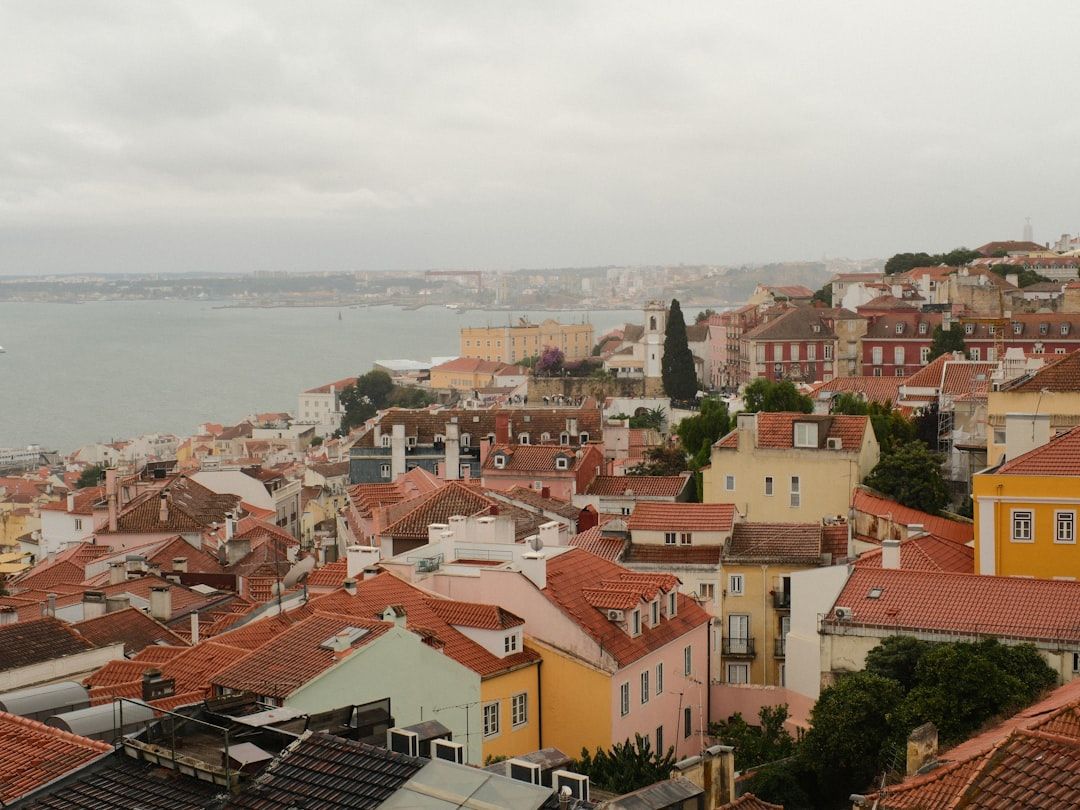
Up the hill from Bairro Alto: leafy, residential, full of good restaurants and independent shops, and quiet at night. Ten minutes downhill to Chiado. The best balance of atmosphere and sleep in the city.
Alfama — atmospheric and difficult
The medieval quarter that survived the earthquake: a knot of lanes, washing lines and fado houses under the castle. Wonderful to walk, punishing to stay in — no car can reach most of it, and every arrival involves a staircase with your luggage. Beautiful choice, know what you are signing up for.
Bairro Alto — only if you are out until 4am
Sleepy by day, extremely loud from midnight to dawn, when the whole neighbourhood drinks in the street. If that is the trip, stay here. If not, stay anywhere else.
Belém — for space, not for nightlife
Six kilometres west by the river: the monastery, the tower, the original custard tarts. Green and calm, and a tram ride from everything else.
Tram 28, honestly
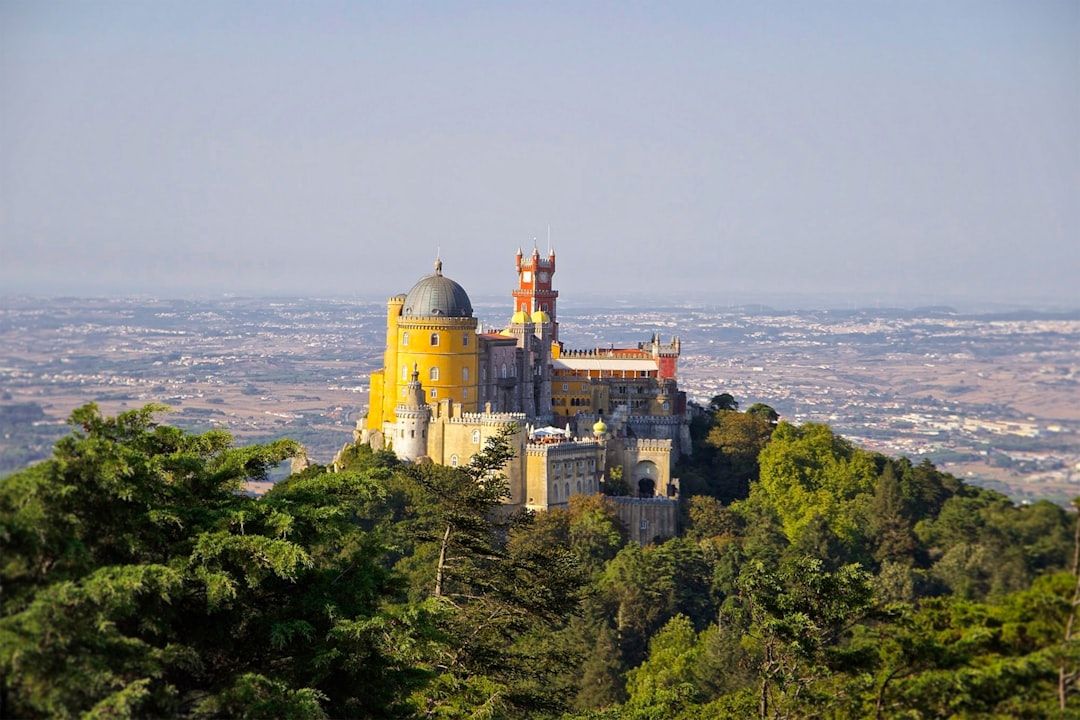
The yellow tram that climbs through Alfama is on every list, and it is now largely a queue. In season you wait 45 minutes at Martim Moniz to board a vehicle packed to the doors, with pickpockets working it as a matter of routine, and you see very little through other people's shoulders.
What works instead:
- Ride it at 7am, from the Campo Ourique end rather than Martim Moniz. Nearly empty, same route, and you can sit.
- Take tram 12 — a shorter loop through the same district with a fraction of the crowd.
- Walk the route instead. Alfama on foot is the point of Alfama; you cannot see it through a tram window anyway.
Buy a rechargeable Viva Viagem card for €0.50 and load it — single fares bought from the driver are roughly double the card fare, and the card works on metro, bus, tram and the Cascais and Sintra trains.
Sintra, done right
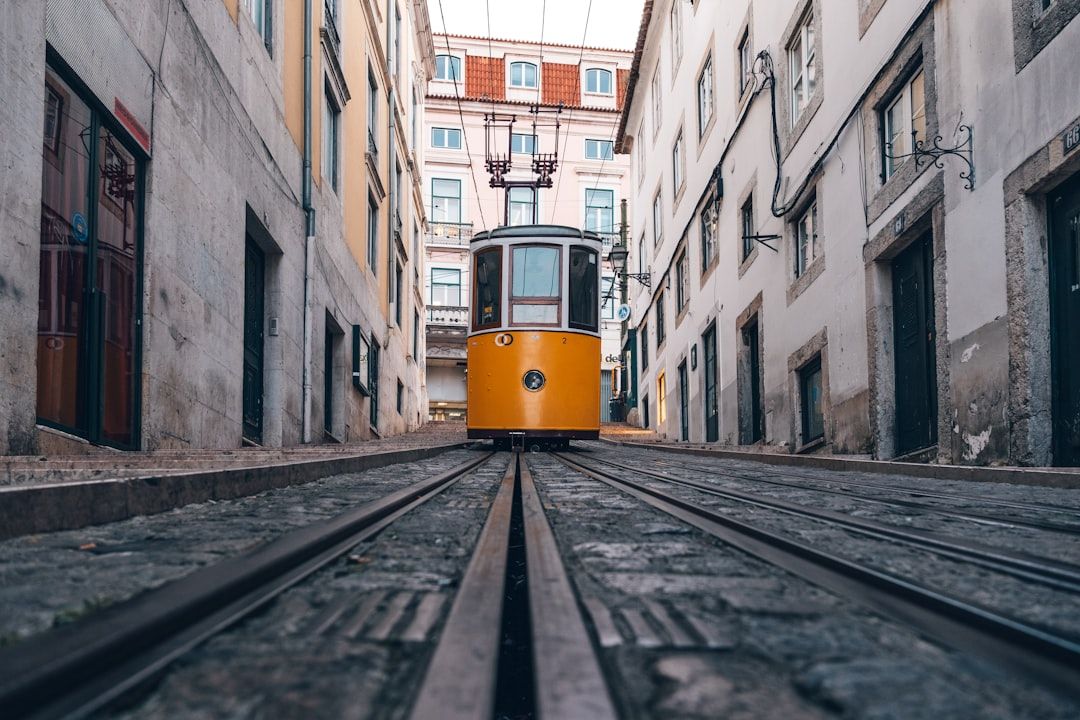
Sintra is 40 minutes by train from Rossio, costs a few euros, and is the most oversubscribed day trip in Portugal. A romantic hill town of palaces in the mist, and in August a slow-moving crowd on a one-lane road.
The version that works:
- Take the first train — before 8am. This single decision changes the whole day.
- Book Pena Palace online with a timed entry slot. Without one you may not get in at all.
- Pick two sites, not four. Pena plus Quinta da Regaleira is the strongest pairing — the palace for the fantasy architecture, the Quinta for the initiation well and the tunnels.
- Do not drive. The roads are narrow and one-way and parking essentially does not exist. Use the 434 bus loop or a tuk-tuk between sites.
- Eat in the old town, and try a travesseiro at Piriquita — a pastry worth the queue.
Eating and drinking
Lisbon eats late — 8pm is early for dinner and restaurants fill from 9. A few things worth knowing:
- The couvert is not free. The bread, olives and cheese that appear unasked are charged for. Refuse them if you do not want them; nobody minds.
- Bacalhau à Brás, ameijoas à Bulhão Pato (clams in garlic and coriander) and grilled sardines in summer are the dishes to seek out.
- Pastéis de Belém is the original custard tart, made to a recipe from 1837 and served warm with cinnamon. The queue moves fast; there is a large room inside that most people in the takeaway line do not realise exists.
- Time Out Market is genuinely good but is a food hall at food-hall prices. One meal, not three.
- Ginjinha — sour cherry liqueur, drunk standing at a hole-in-the-wall counter near Rossio for about €1.50.
Miradouros — the free attraction
Lisbon's viewpoints are the best thing about it and they cost nothing. Senhora do Monte is the highest and least crowded; Santa Catarina is where the city drinks at sunset; Portas do Sol gives you the Alfama rooftops running down to the river; São Pedro de Alcântara is the classic, reached by the Glória funicular if the hill defeats you.
Take a bottle and go at golden hour. It is what the city itself does.
What it costs
| Item | Modest | Comfortable |
|---|---|---|
| Central double, per night | €75–120 | €140–250 |
| Lunch, neighbourhood tasca | €9–14 | €18–30 |
| Dinner with wine | €18–28 | €35–60 |
| Metro/tram, with Viva card | €1.65 a ride | €6.80 day pass |
| Sintra return train | €4.80 | — |
| Pena Palace entry | €14–20 | — |
| Fado dinner show | €45–70 | €80+ |
Lisbon has become markedly more expensive since around 2020 — accommodation especially. Food and transport are still good value; hotel rates now look like Madrid's.
Fado, and where to hear it properly
Fado is the city's music: one or two guitars, one singer, songs about longing and the sea and things that are gone. It is sung in the dark, in silence, and audiences do not talk through it — that rule is taken seriously and visitors who break it get told.
There are two kinds of venue. The dinner shows in Alfama and Bairro Alto charge €45–70 a head, serve mediocre food and run a rotating cast to a coach-tour schedule. The small houses — a room, a bar, a €10–20 minimum spend and singers who come on when they feel like it — are where the music actually lives. Ask your hotel which one is good this month rather than booking the one with the best photographs online; the scene moves.
If you want the background first, the Museu do Fado in Alfama is small, well done, and about €5.
Airport, and staying unrobbed
Humberto Delgado airport is 7km out, on the red metro line — 20 minutes to the centre for under €2 with a Viva card. Late arrivals should note that the metro stops around 1am; a taxi or Bolt runs €12–18.
Lisbon is a safe city for violence and a busy one for pickpockets. The concentration is entirely predictable: tram 28, the Santa Justa lift queue, Rossio, and the crowd at any miradouro at sunset. Front pockets, bag in front on trams, nothing in a back pocket. That is the whole precaution and it is sufficient.
A three-day shape
- Day one — Baixa and Chiado on foot, the Elevador de Santa Justa from the outside rather than the queue, Bairro Alto at dusk, sunset at São Pedro de Alcântara.
- Day two — Alfama early, before the tour groups: the castle, the cathedral, then get lost deliberately. Fado in the evening, in a small house rather than a dinner-show barn.
- Day three — Belém: the monastery first thing, the tower, the tarts, and the Berardo or MAAT if it rains.
- Optional day four — Sintra, on the first train.
Frequently Asked Questions
Where should you stay in Lisbon?
Príncipe Real for the best balance — leafy, good restaurants, quiet at night, ten minutes downhill to the centre. Baixa and Chiado are flat and convenient; Alfama is beautiful but involves stairs with luggage; Bairro Alto is loud until dawn.
Is tram 28 worth it?
Only at about 7am, boarding at the Campo Ourique end. In season it is a 45-minute queue for a packed carriage worked by pickpockets. Tram 12 covers similar ground with fewer people, and Alfama is better on foot anyway.
How do you visit Sintra without the crowds?
Take the first train from Rossio before 8am, book a timed slot for Pena Palace online, and pick two sites rather than four — Pena plus Quinta da Regaleira. Do not drive; use the 434 bus loop.
Is the bread on the table free in Portugal?
No. The couvert — bread, olives, cheese, sometimes pâté — arrives unrequested and is charged for. Waving it away is completely normal and nobody takes offence.
How many days do you need in Lisbon?
Three for the city itself, four if you want Sintra without rushing. The hills and the distances make Lisbon slower to cover than the map suggests, so resist packing more in.