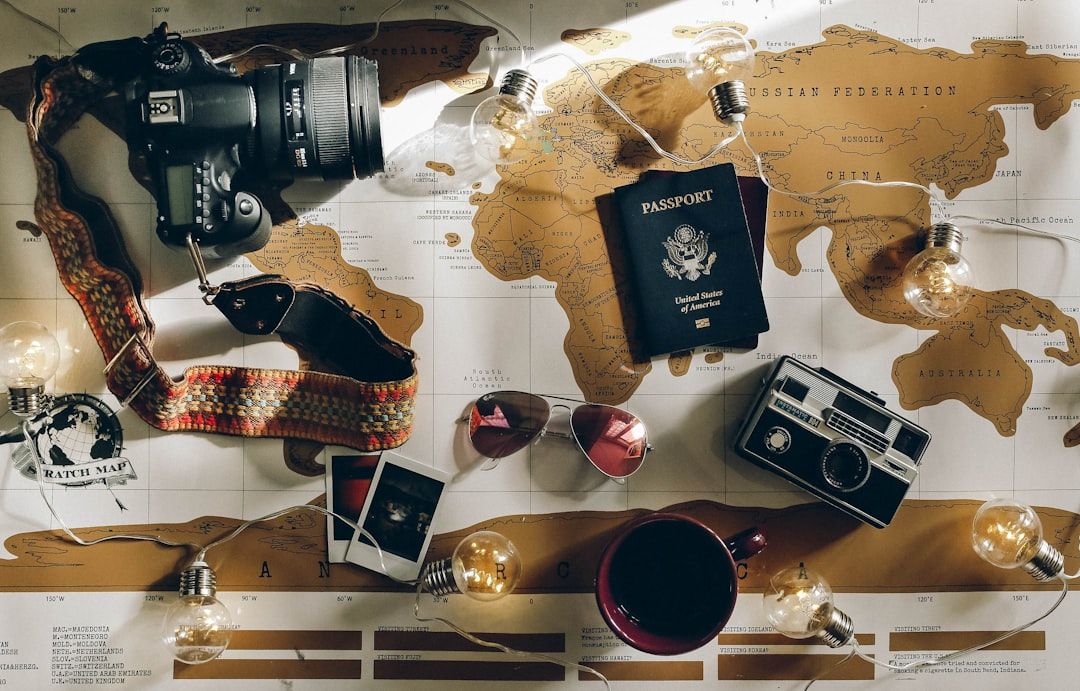
Editorial Travel Guide
This is not a destination guide. It's a guide to how to travel — the decisions you make before you leave, the things you carry, the way you handle the moments when everything goes wrong. I've been traveling for 20 years and editing travel writing for 10, and the patterns are clear. The people who have the best trips aren't the ones with the most money or the most time. They're the ones who plan the right amount, pack the right things, and know when to stop planning.
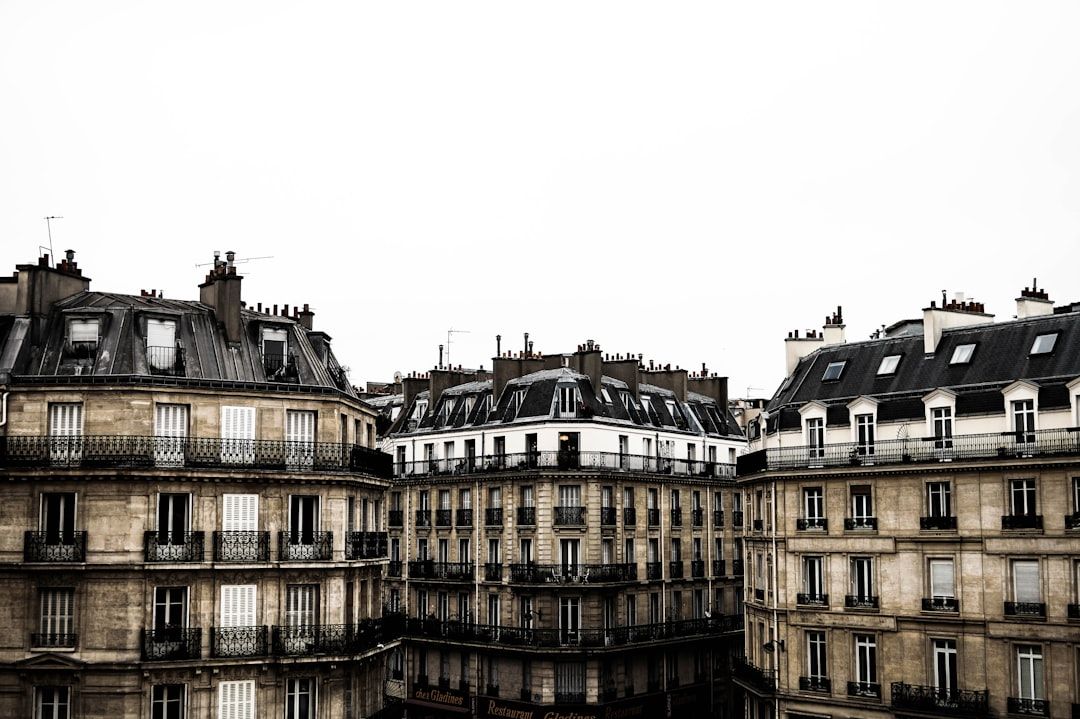
Planning: The 70% Rule
Plan 70% of your trip. Leave 30% empty. The 70% is the structure: flights, first two nights of accommodation, and one major activity. The 30% is the space where the trip actually happens — the restaurant you find because the one you wanted was full, the town you stop in because you missed your bus, the day you do nothing because it's raining and the café is warm.
People who plan 100% are stressed because nothing ever goes to plan. People who plan 0% are stressed because they spend half the trip deciding what to do. 70% is the sweet spot — enough structure to not waste time, enough space to not feel trapped.
What to book ahead: Flights, first two nights of accommodation, any attraction that requires timed entry (the Borghese Gallery, the Sagrada Família, the Alhambra). Everything else can be decided on the ground.
What not to book ahead: Restaurants (you'll find better ones by walking), day trips (the weather will change your plans), and every night of accommodation (you might want to stay longer somewhere, or leave early).
Packing: The Carry-On Test
If you can't carry your bag up three flights of stairs, you've packed too much. This is the only packing rule that matters.
A carry-on-sized bag (40L) is enough for two weeks in most climates. The trick is layers, not bulk. A merino base layer, a fleece, and a shell jacket will keep you warm from 0°C to 20°C. Add a t-shirt and you're good to 30°C. That's four items that cover a 30-degree range.
The list:
- 4 t-shirts (merino if you can afford it — doesn't smell, can be worn 3 days)
- 2 pants (one jeans, one lightweight)
- 1 fleece or sweater
- 1 shell jacket (waterproof, windproof)
- 4 pairs underwear, 2 pairs socks
- 1 pair shoes (wear them on the plane) + 1 pair sandals/flip-flops
- Toiletries (in a clear bag, under 100ml each)
- Phone, charger, adapter, power bank
- Passport, cards, cash (in two different places)
- 1 book (not five — you'll buy more)
That's it. Everything else can be bought at your destination for less than it costs to check a bag. Laundry: sink-wash in the evening, hang to dry overnight. Or find a laundromat once a week.
What not to pack: A second pair of shoes (you won't wear them), a hair dryer (hotels have them), a travel iron (why do you own a travel iron?), a neck pillow (use a rolled-up fleece), anything that says 'travel' on it (travel underwear, travel towels, travel soap — all worse than the regular kind).
Timing: When to Go Everywhere
The single biggest mistake people make is going to the right place at the wrong time. Europe in August. Southeast Asia in monsoon season. Iceland in winter (unless you want 4 hours of daylight). Here's a quick reference:
| Destination | Best | Avoid |
|---|---|---|
| Western Europe | May-June, Sep-Oct | Aug (hot, crowded, locals away) |
| Southeast Asia | Nov-Feb (dry, cool) | Jun-Sep (monsoon) |
| Japan | Apr (cherry blossom), Nov (leaves) | Aug (hot, humid), Jan (cold) |
| Iceland | Jun-Aug (midnight sun) | Dec-Feb (4 hours light) |
| Morocco | Mar-May, Sep-Nov | Jul-Aug (45°C) |
| India | Nov-Mar | Apr-Jun (45°C), Jul-Sep (monsoon) |
| Patagonia | Dec-Feb (summer) | Jun-Aug (winter, trails closed) |
| New Zealand | Dec-Feb (summer) | Jul-Aug (cold, wet) |
The shoulder seasons (the weeks before and after peak) are always the best time. The weather is 90% as good, the crowds are 30% of peak, and the prices are 60% of high season. May in Europe, November in Southeast Asia, March in Morocco.
Money: The Daily Budget
Work out your daily budget before you leave and stick to it. The budget should include accommodation, food, transport, and activities. Here's a rough guide for two levels of travel:
| Region | Budget (€/day) | Comfortable (€/day) |
|---|---|---|
| Southeast Asia | 25-35 | 50-80 |
| India | 15-25 | 40-60 |
| Eastern Europe | 40-60 | 80-120 |
| Western Europe | 70-100 | 150-250 |
| Japan | 60-90 | 150-250 |
| Scandinavia | 100-150 | 250-400 |
Budget means: guesthouses, street food, public transport, free attractions. Comfortable means: 3-star hotels, restaurants, occasional taxis, paid attractions. The gap between budget and comfortable is mostly about accommodation — the food and transport are cheap everywhere if you eat where locals eat and take the bus.
The trick: Alternate. Three days of budget travel, one day of comfortable. The budget days are where you have the real experiences. The comfortable day is where you recharge. This is cheaper than traveling comfortably the whole time and more interesting than traveling on a budget the whole time.
Solo vs. Together
Solo travel is the best way to travel and the worst way to travel. Best because you do what you want, when you want. You meet people because you have to. You make decisions because no one else will. Worst because there's no one to share the sunset with, no one to watch your bag at the train station, and no one to split the hotel room.
If you travel with someone, the most important rule is: separate for part of the day. One person goes to the museum, the other goes to the market. You meet for dinner and have something to talk about. Couples who spend 24 hours a day together on a two-week trip come home hating each other.
The Phone
Put your phone away. Not all the time — you need it for maps, translations, and bookings. But not at meals, not in museums, not while walking. The phone is the thing that prevents you from being where you are. Every moment you spend looking at your phone is a moment you're not looking at the city you spent €1,000 to visit.
Take photos. But take them quickly, then put the phone away. The photo is not the experience. The experience is standing there, looking at it, and being present. The photo is for later. The experience is for now.
When Things Go Wrong
Things will go wrong. Your flight will be cancelled. Your hotel will be overbooked. You'll get food poisoning. You'll lose your passport. This is not a failure — it's the trip. The stories you tell when you get home are never about the day everything went to plan. They're about the day the train broke down in the middle of nowhere and you ended up at a wedding in a village you can't pronounce.
When things go wrong: stay calm, be polite, and ask for help. The people who have the worst travel experiences are the ones who get angry. The people who have the best stories are the ones who shrug and say 'okay, what now?'
The One Thing
If you remember nothing else: travel is not a checklist. You don't need to see every sight, eat at every restaurant, visit every country. You need to be present in the place you are, for the time you have, with the people you're with (or alone). That's it. Everything else is logistics.