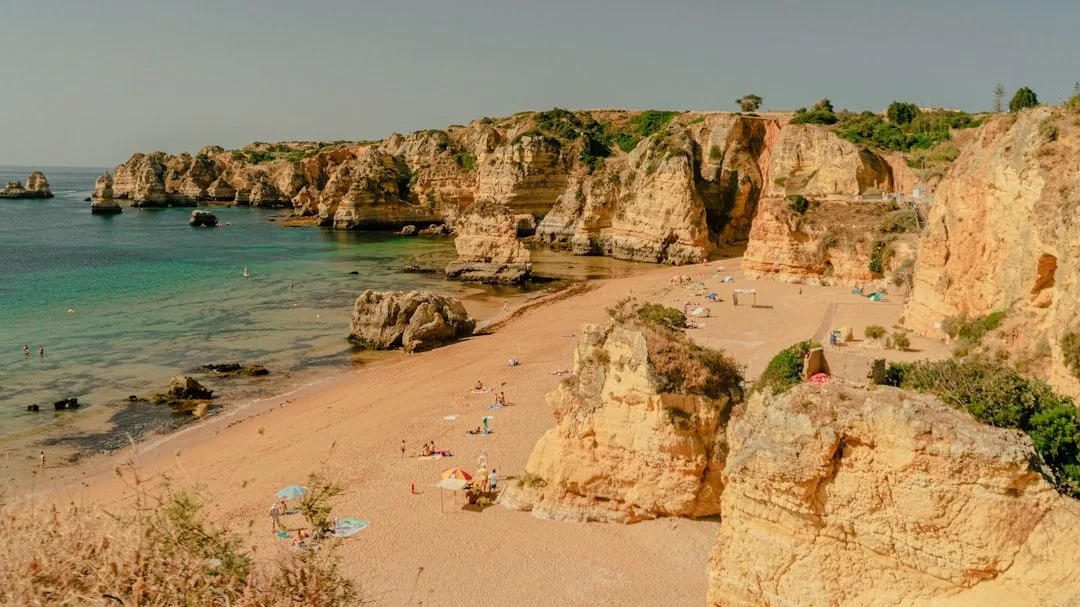
Curated Spain Guide
Spain is three countries pretending to be one. The Basque Country has nothing in common with Andalusia — not the food, not the weather, not the language, not the schedule. Barcelona is a Catalan city that resents being called Spanish. Madrid is a capital that was built in the middle of nowhere because the king said so. Treating Spain as a single destination is the first mistake people make.
Madrid: The Underrated Capital
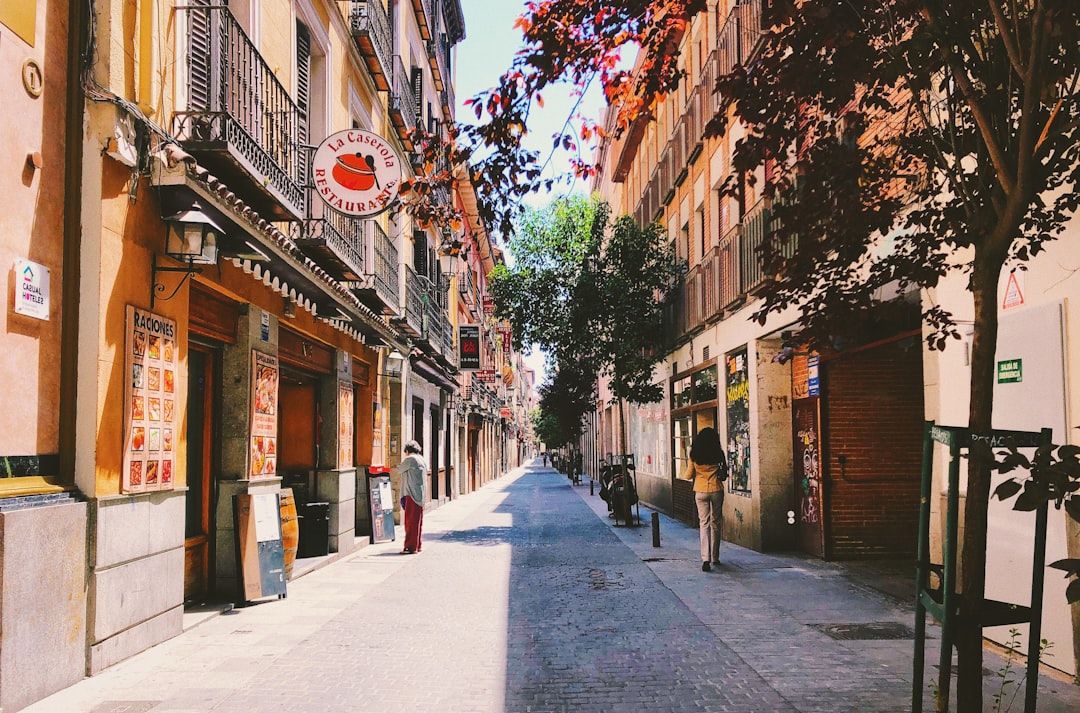
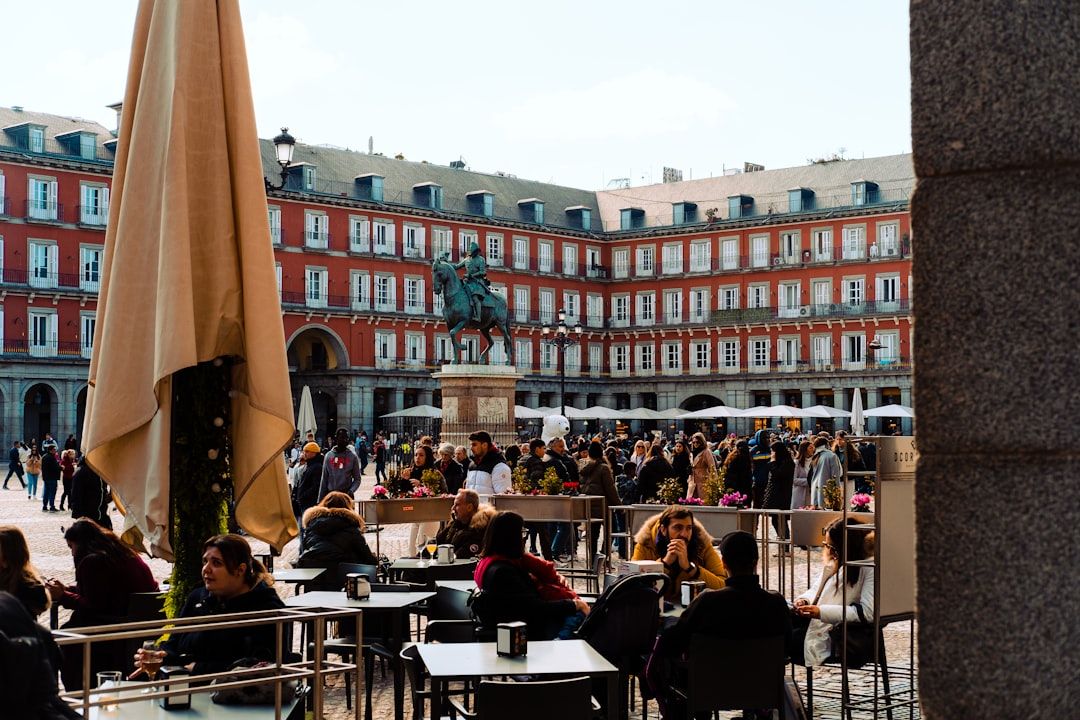
Madrid gets skipped because it's not on the coast and doesn't have a Gaudi church. This is a mistake. Madrid has the best art museum in Europe (the Prado), the best food market in Spain (Mercado de San Miguel), and a nightlife that starts at midnight and ends at 6 AM.
The Prado is €15 and takes a full day if you do it properly. The highlights are Goya's Black Paintings (room 67), Velázquez's Las Meninas (room 12), and Bosch's Garden of Earthly Delights (room 56). Go at 5 PM — the last two hours before closing are free and the crowds have gone home.
The Reina Sofía is the modern art museum (€10). Picasso's Guernica is here, and it's bigger than you think — 3.5 meters tall. Go in the morning.
Eat: Mercado de San Miguel for tapas (expensive but excellent quality, €3-6 per plate). Casa Lucio for huevos estrellados (€14, the dish Obama ate when he visited). Bodega de la Ardosa for tortilla de patatas (€4, the best in Madrid, since 1892).
Barcelona: Go, But Know What You're Getting
Barcelona is on every travel list and the city is tired of it. The crowds are constant, the pickpockets are aggressive, and the locals have protested against tourism for years. None of this means you shouldn't go — it means you should go in October or March, not July.
The Sagrada Família is the reason most people come. Book ahead (€26-36 with tower access). The interior is the most extraordinary space in modern architecture — columns that branch like trees, light that changes color as it passes through the stained glass. Go at 9 AM for the best light.
Park Güell is free to enter the lower section; the monumental zone is €10 and requires a timed ticket. Go at 8 AM — the first slot. You'll have the mosaics to yourself.
The Gothic Quarter is worth walking but the restaurants there are tourist traps. For food, go to El Born (the neighborhood east of the quarter) or Gràcia (north of Passeig de Gràcia). Both have real bars and real prices.
Skip: Las Ramblas. It's a tourist corridor with nothing on it you can't find elsewhere. Walk one street parallel — Carrer del Carme or Carrer d'Estruc — and you're in actual Barcelona.
San Sebastian: The Best Eating in Europe
San Sebastian is a small Basque city on the coast, 5.5 hours from Madrid by train or 1 hour from Bilbao by bus. It has three Michelin three-star restaurants (more per capita than Paris) and the best cheap eating in Europe: pintxos.
Pintxos are Basque tapas — small portions on bread, served at bar counters. You eat one or two at a bar, drink a txakoli (local white wine, €2), and move to the next bar. A pintxo costs €2-4. A full evening of pintxo-hopping is €20-30 including drinks.
The old town (Parte Vieja) has more bars per square meter than anywhere in Spain. Start at Bar Nestor (calle Pescadería, 11) for the tortilla — they make two a day, one at noon and one at 8 PM, and when it's gone it's gone. Then go to La Cuchara de San Telmo for the foie gras with apple (€4). Then Borda Berri for the risotto. Then Atari for the gilda (anchovy, olive, pepper on a skewer — the quintessential Basque pintxo).
The beach (La Concha) is a crescent of sand in the center of the city, flanked by two hills. It's the best urban beach in Europe. Swim in the morning, eat pintxos in the evening.
Seville: The Beautiful One
Seville is what people imagine when they think of Spain — orange trees in the streets, flamenco in the bars, Moorish architecture, and 40°C in July. Go in March or October. The temperature is 25°C, the orange blossoms smell incredible, and the crowds are half what they are in summer.
The Alcázar is the best sight in Seville — a Moorish palace still in use by the Spanish royal family. Book ahead (€13.50). The gardens alone are worth an hour. Game of Thrones filmed the Dorne scenes here.
The Cathedral is the largest Gothic church in the world (€9). Columbus is buried inside. Climb the Giralda tower — 35 ramps, no stairs, designed so the sultan could ride up on horseback. The view over the city is the best in Seville.
Plaza de España was built for the 1929 Ibero-American Exposition and it's the most beautiful public space in Spain. Free to enter. Go at sunset.
Flamenco: Skip the tourist shows on the river. Go to La Casa de la Memoria (€25) or El Palacio Andaluz (€30). Both are small venues with real dancers, not dinner theaters.
Granada: The Alhambra and Free Tapas
Granada is the last city in Spain where tapas are still free. You order a drink (€2-3) and a plate of food arrives with it — olives, jamón, croquetas, sometimes a small plate of paella. Order another drink, get another plate. A night out in Granada can cost €10.
The Alhambra is the reason to come. It's a Moorish palace-fortress complex on a hill above the city, and it's the best Islamic architecture in Europe. Book ahead — €14 for the general ticket, €26 for the guided tour. The Nasrid Palaces (the highlight) have a timed entry slot. Don't miss it — if you arrive after your slot, you don't get in.
Book 2-3 months ahead. The Alhambra sells out every day, year-round. If you can't get a ticket, go to the Mirador de San Nicolás in the Albaicín neighborhood across the valley — you see the Alhambra from outside, lit up at sunset, for free.
What to Skip
- The Costa del Sol: A strip of high-rise apartment blocks and British pubs between Málaga and Marbella. If you want a beach, go to Cadiz (Atlantic side, cheaper, real Spanish city) or the Costa de la Luz.
- Valencia in August: The city is a furnace and the Las Fallas festival is in March. Go in March if you want the festival, or April-May if you just want the city.
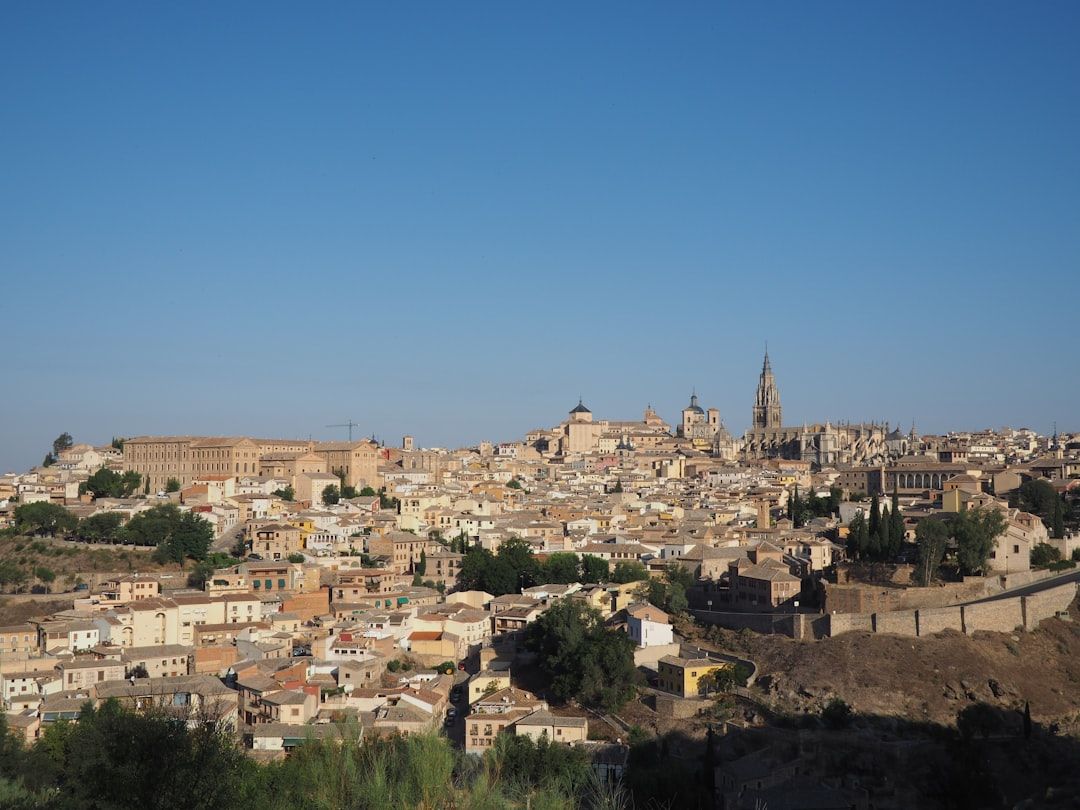
- Toledo as a day trip from Madrid: It's a 30-minute train and the city is beautiful, but it's packed by 11 AM. Go at 9 AM, leave by noon, or stay overnight — the town empties after the buses leave.
The Schedule
Spain runs later than anywhere in Europe. Lunch is 2-4 PM. Dinner is 9-11 PM. Bars are busy at midnight. Clubs get going at 2 AM. If you eat dinner at 7 PM, you'll eat alone in a tourist restaurant. Adjust your body clock or you'll miss the country.
Shops close 2-5 PM for siesta in smaller cities (Seville, Granada). In Madrid and Barcelona, they stay open. Plan around it.
How Long
Two weeks gives you Madrid (3 nights), San Sebastian (2 nights), Barcelona (3 nights), Seville (3 nights), and Granada (2 nights). Fly into Madrid, out of Barcelona or Seville. Take the train between Madrid and San Sebastian, fly between Barcelona and Seville (Vueling, €40-60), train between Seville and Granada (1.5 hours).
One week: pick two. Madrid and San Sebastian, or Barcelona and Seville. Don't try to do more.