Curated Portugal Guide
Portugal is the best value in Western Europe. A hotel in Lisbon is €60-90. A bottle of good wine is €5. A pastel de nata is €1.20. The country has 850 km of coastline, eight UNESCO world heritage sites, and a food culture that punches far above its weight. The only problem is that everyone has discovered this — Lisbon's tourist numbers have tripled in ten years. Here's how to do Portugal without the crowds.
Lisbon: The Hills Are the Point
Lisbon is built on seven steep hills overlooking the Tagus river. This is the single most important fact about the city. Every walk is a climb, the distances on the map are deceptive, and the city that looks compact will take you twice as long as you think. Wear flat shoes. Take the tram. Don't fight the geography.
The neighborhoods that matter:
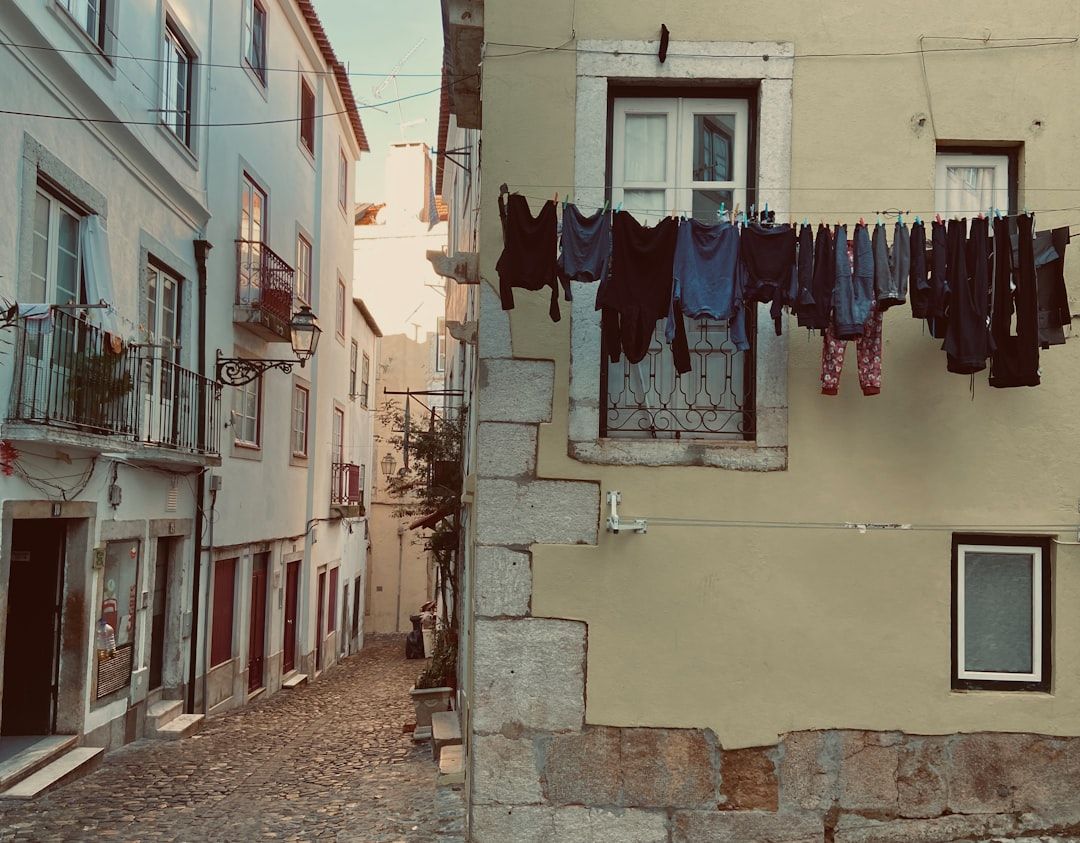
- Alfama: The oldest district, a maze of narrow lanes climbing from the river to the castle. Survived the 1755 earthquake. This is where fado is sung — in small bars, not concert halls. Go to Tasca do Chico (Rua dos Remédios 83) at 9 PM. No cover charge, no microphone, just a man with a guitar and a woman singing.
- Bairro Alto: The nightlife district. Dead during the day, packed at night. The bars spill into the streets. It's loud and young and fun. Eat at Cervejaria Ramiro (€40-50, seafood only, no dessert — they send you across the street for ice cream).
- Príncipe Real: The neighborhood north of Bairro Alto. Quieter, greener, better restaurants. This is where Lisboans eat, not tourists. Try A Cevicheria (€30, Portuguese-Peruvian fusion, the octopus is extraordinary).
- Belém: West of the center, flat and walkable. The Jerónimos Monastery is here (€10, Manueline architecture, extraordinary cloister), the Belém Tower (€8, on the river), and the original Pastéis de Belém (€1.30, the original pastel de nata, recipe unchanged since 1837). The line looks long but moves fast.
Tram 28: The tourist tram that crosses the city from Martim Moniz to Prazeres. It's always packed. Ride it once, at 8 AM, before the crowds. Or skip it and walk — the route goes through the same streets you'd walk anyway.
Porto: Built on a Gorge
Porto is Lisbon's smaller, moodier, better-looking sibling. The city is built on the steep sides of the Douro river gorge — the historic center is a UNESCO site, a tumble of tiled facades and red roofs dropping to the water. The Luís I Bridge spans the gorge at the bottom, and the port wine lodges are on the south bank in Vila Nova de Gaia.
The port lodges are the main attraction. Graham's, Taylor's, Cockburn's, and Ferreira all offer tours and tastings (€15-25 for a tour with three tastings). Taylor's has the best view — the terrace looks over the river to the city. Book ahead in summer.
Eat: Café Santiago for the francesinha (€12, a sandwich of steak, sausage, and ham covered in melted cheese and a tomato-beer sauce — Porto's signature dish, unrepentantly heavy). Mercado do Bolhão for fresh fish and produce (the market is being renovated but the surrounding streets have the best food shops in the city). Cantinho do Avillez for dinner (€30-40, chef José Avillez's casual place, the best Portuguese food in Porto).
Drink: At a tasca — a small, no-frills bar that serves wine by the glass and petiscos. The wine is €1.50-3 a glass. The petiscos are €2-5. Try Casa Guedes (Praça dos Poveiros) for the pork sandwich (€3.50, the best €3.50 you'll spend in Portugal).
The Algarve: Beyond the Resorts
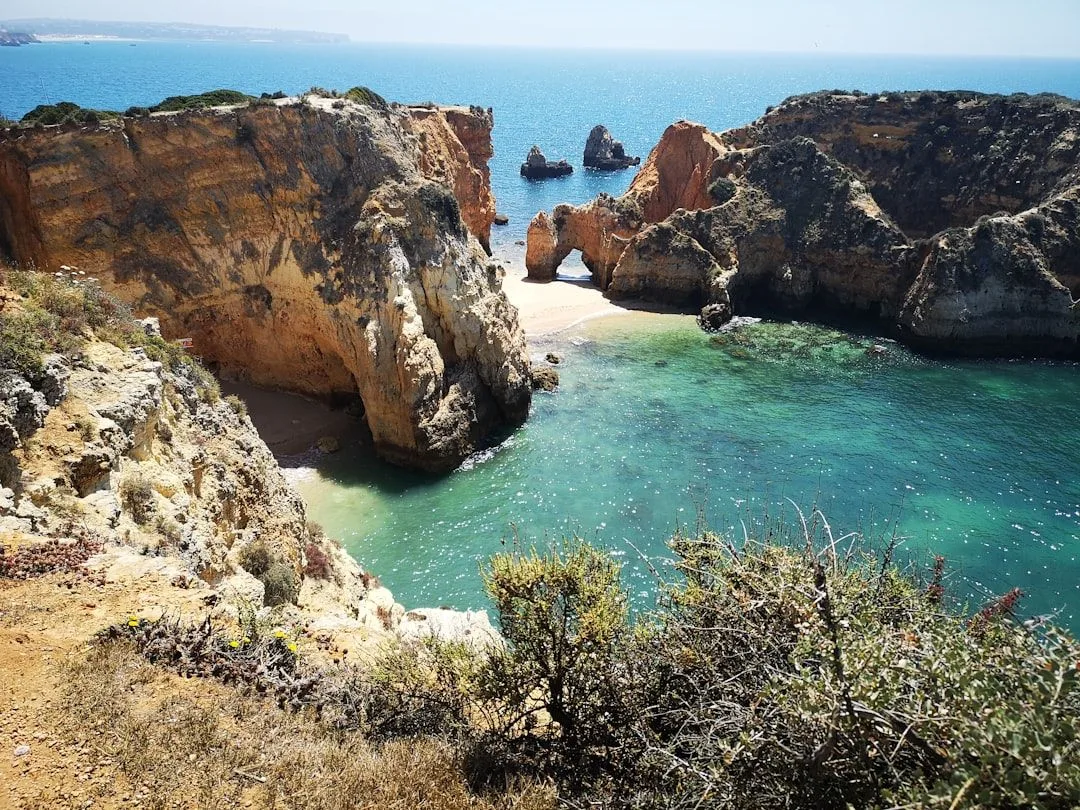
The Algarve is Portugal's south coast, and most of it is resorts, golf courses, and British pubs. But the western and eastern ends are different.
Sagres and the west coast: The southwesternmost point in Europe. The coast is rugged cliffs and Atlantic surf. The beaches are cold but spectacular — Praia do Beliche, Praia do Tonel, Praia da Mareta. The town of Sagres is small and sleepy. Stay in Sagres or nearby Vila do Bispo. Eat grilled fish at Mar a Vista (€20-25). Surf schools are everywhere — a lesson is €40, board rental is €15/day.
Tavira and the east: Tavira is the prettiest town in the Algarve — a Roman bridge, 37 churches, and a river that runs through the center. The beaches are on the Ria Formosa, a system of barrier islands reached by ferry (€2 round-trip). Ilha de Tavira has the best beach — a kilometer of sand with one restaurant and no buildings. Stay in Tavira itself (€50-70/night) and ferry out.
Skip: Albufeira, Lagos, and Portimão in July and August. They're full of package tourists and the beaches are wall-to-wall sunbeds. If you must go, go in May or September.
The Alentejo: The Empty South
The Alentejo is the region between Lisbon and the Algarve — a vast plain of cork oaks, olive groves, and vineyards. It's the least-visited part of Portugal and the most authentically Portuguese.
Évora is the main city — a walled university town with a Roman temple (the Templo de Diana, 2nd century), a bone chapel (Capela dos Ossos, decorated with 5,000 skeletons, €4), and a cathedral you can climb for a view over the plain. Stay inside the walls (€60-80/night).
The food in the Alentejo is the best in Portugal. It's slow cooking — pork, bread, garlic, olive oil, coriander. Carne de porco à alentejana (pork with clams, €14) sounds wrong and tastes right. Ensopado de borrego (lamb stew, €12) is what you eat on a cold day. The wine is €3-5 a bottle and excellent — the Alentejo is Portugal's best wine region.
Drive the cork route: Évora to Estremoz to Vila Viçosa. The cork oaks are stripped every nine years — you can see the red trunks in summer. The marble quarries near Estremoz are open for visits. Vila Viçosa has a ducal palace that's frozen in 1640.
Sintra: Go Early or Don't Go
Sintra is a hill town 40 minutes by train from Lisbon, known for its colorful palaces — the Pena Palace (€14) looks like a Disney castle but it's real, built in the 1840s by a romantic king with too much money. The problem is that everyone goes. In summer, the queue is 2 hours and the bus between the sights is a crush.
Go at 9:30 AM (first entry). Do the Pena Palace first, then walk down through the park to the Moorish Castle (€8, the best views on the coast). Skip the bus — the walk is 30 minutes through forest and you'll see more. Be out of Sintra by 1 PM, before the tour buses arrive.
Better yet, go to the Quinta da Regaleira (€8) instead of the Pena Palace. It's a Gothic mansion with a garden full of tunnels, grottoes, and a spiral well you can walk down. It's stranger, quieter, and more interesting than the Pena Palace.
How Long
One week: Lisbon (4 nights) + Sintra day trip + Porto (3 nights). Take the train between Lisbon and Porto (3 hours, €25 if booked ahead).
Two weeks: Lisbon (4 nights) + Évora (2 nights) + Tavira (2 nights) + Lagos area (2 nights) + Porto (4 nights). Rent a car for the Alentejo and Algarve section. Drop it in Lisbon and take the train to Porto.
Three weeks: add the Douro Valley (2 nights, wine estates, take a boat from Porto), and the Serra da Estrela (2 nights, Portugal's highest mountains, snow in winter).
Money
Portugal is the cheapest country in Western Europe. A meal in a local restaurant is €10-15. A beer is €1-2. A hotel room is €50-90. A train across the country is €25-40. You can travel well in Portugal for €70-100/day including accommodation. The only thing that's expensive is the tram in Lisbon (€3 per ride — buy a 24-hour pass for €6.80 instead).