Curated Italy Guide
Italy is the most visited country in Europe and it wears the marks. Venice has 50,000 residents and 30 million visitors a year. The Cinque Terre trail has a one-way system and a ticket booth. The Amalfi Coast has a traffic jam from Sorrento to Positano every day from May to September. None of this means you shouldn't go. It means you should go differently.
Rome: What's Worth It
Rome has more world-class sights per square kilometer than any city on earth. You cannot see them all. Don't try.
The Pantheon is free and takes 15 minutes. Go early — 9 AM, not noon. It's the best-preserved Roman building in the world and it's standing in a piazza you can walk into for nothing.
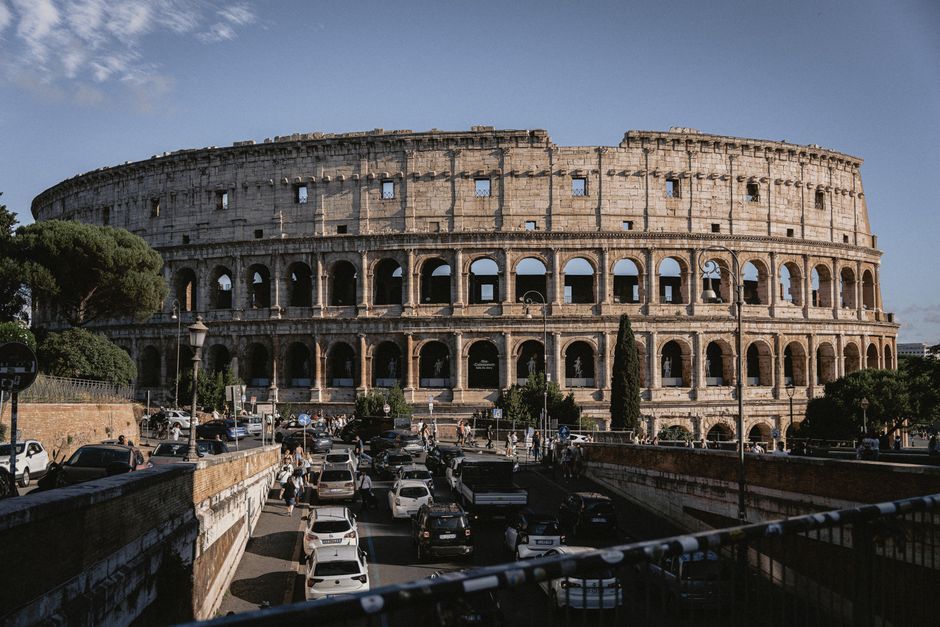
The Forum and Palatine Hill are one combined ticket (€18) and take half a day. The Colosseum is the same ticket but the queue is separate and longer. If you must go inside the Colosseum, book the underground tour (€24) — it skips the general admission line and takes you to the gladiator areas below the arena floor.
The Borghese Gallery is the best museum in Rome and requires a timed-entry booking (€13). Two hours, fixed slot, limited numbers. The Bernini sculptures alone are worth the trip.
Skip: The Trevi Fountain at any time after 9 AM. Go at 6 AM if you want it to yourself. Otherwise, it's a mob.
Florence: Better Than Rome, If You Time It Right
Florence is small. You can walk across the historic center in 20 minutes. This means everyone does, and in June and July the streets are shoulder-to-shoulder from the Duomo to the Ponte Vecchio.
The Uffizi is the best Renaissance museum in the world. Book ahead (€25, timed entry). Go at 8:15 AM — the first slot. You'll have the Botticelli room to yourself for 20 minutes before the cruise-ship crowds arrive.
The Accademia (where David is) is less essential. The sculpture is extraordinary but the museum is small and the queue is long. If you've booked ahead, go. If not, there's a full-size replica in the Piazza della Signoria that's perfectly good for most people.
Eat: Trattoria Mario (via Rosina 2r). No reservations, lunch only, queue at noon. The pasta is €8 and it's the best in the center. Or go to the San Lorenzo Mercato Centrale ground floor and eat at the food stalls — fresh pasta made in front of you for €10.
Venice: Go, But Not in Summer
Venice in July smells. The canals are warm, the crowds are dense, and the vaporettos are standing-room-only. Go in November or February. The city is cold, foggy, and nearly empty. The light is better. The water reflects the buildings instead of the tourists.
Don't stay near San Marco. Stay in Cannaregio or Dorsoduro — quieter, cheaper, and you'll eat better. Hotel prices drop by half once you're 15 minutes from St. Mark's Square.
The secret to Venice is walking. Everyone takes the vaporetto because they're lazy. The city is 4 km long. Walk the back streets from the train station to San Marco and you'll see the real Venice — the laundry on the lines, the small bridges, the local bars where people drink spritz for €3.
Where to Go Instead of the Cinque Terre
The Cinque Terre is beautiful but it's ruined by its own popularity. The trails are crowded, the villages are gift shops, and the train between them is a cattle car in summer.
Instead, go to:
- Portovenere: 30 minutes south of the Cinque Terre by boat. Same coastline, same colorful houses, one-tenth the crowds. Take the ferry from La Spezia.
- Camogli and Portofino: The Ligurian coast east of Genoa. Camogli is a fishing village with a sandy beach and a ruined castle. Portofino is expensive but the walk from Paraggi to the lighthouse is free and beautiful.
- Elba: Napoleon's island. Ferries from Piombino (1 hour). Beaches, hiking, and a fraction of the tourists.
The Food Rules
Italian food is regional. The carbonara in Rome is not the carbonara in Bologna. The pizza in Naples is not the pizza in Florence. If you eat the wrong thing in the wrong place, you'll eat badly.
| City | Eat this | Don't eat this |
|---|---|---|
| Rome | Cacio e pepe, carbonara, amatriciana, saltimbocca | Pizza (go to Naples), lasagna |
| Florence | Bistecca alla fiorentina, ribollita, pappardelle al cinghiale | Spaghetti carbonara, pizza |
| Naples | Pizza margherita, spaghetti alle vongole, sfogliatella | Bistecca, cacio e pepe |
| Bologna | Tagliatelle al ragù, tortellini in brodo, mortadella | Anything called 'bolognese' — it doesn't exist here |
| Venice | Sarde in saor, cuttlefish ink risotto, cicchetti | Pizza, pasta carbonara |
The other rule: don't eat within 500 meters of a major sight. The restaurants near the Pantheon, the Duomo, and St. Mark's are uniformly bad and uniformly expensive. Walk 10 minutes in any direction and the food improves and the price drops by half.
The South
Naples is the best city in Italy and I'll fight anyone who disagrees. It's chaotic, loud, dirty in places, and has the best food in the country. Pizza was invented here. The pizza at Da Michele (€5) is better than any pizza you've had in your life. The archaeological museum has the Pompeii frescoes. The underground ruins (Napoli Sotterranea) are a Greek-Roman aqueduct system you walk through with a guide.
From Naples, take the Circumvesuviana train to Pompeii (€2.80, 35 minutes). Go early — 9 AM. By noon the site is an oven and a mob. Better yet, go to Herculaneum instead — smaller, better preserved, fewer people, same train line.
The Amalfi Coast is worth seeing but stay in Sorrento, not Positano. Sorrento is on the train line, has better restaurants, and costs half as much. Take the bus to Amalfi for a day trip. The bus is terrifying but the views are the point.
How Long
Italy deserves two weeks minimum. One week is not enough — you'll see two cities and leave feeling like you missed everything. Two weeks gives you Rome, Florence, and either Venice or Naples with proper time in each. Three weeks lets you add the south (Puglia, Matera) or the north (the Dolomites, Lake Garda).
Don't rush. Italy is not a checklist. It's a place where you sit down, eat slowly, and let the city happen to you. The best thing you'll do on your trip is the thing you didn't plan.