Curated Greece Guide
Greece is not Mykonos. The country has 6,000 islands and islets, 227 of them inhabited, and most visitors see two: Santorini and Mykonos. Both are beautiful and both are ruined by their own popularity — €400 hotel rooms, cruise-ship crowds, and restaurants that serve frozen moussaka at tourist prices. Greece is better than that. Here's how to see it.
Athens: Two Days, Not One
Most people use Athens as a transit hub — fly in, see the Acropolis, fly out to an island. This is a mistake. Athens is one of the most alive cities in Europe, and it needs two days minimum.
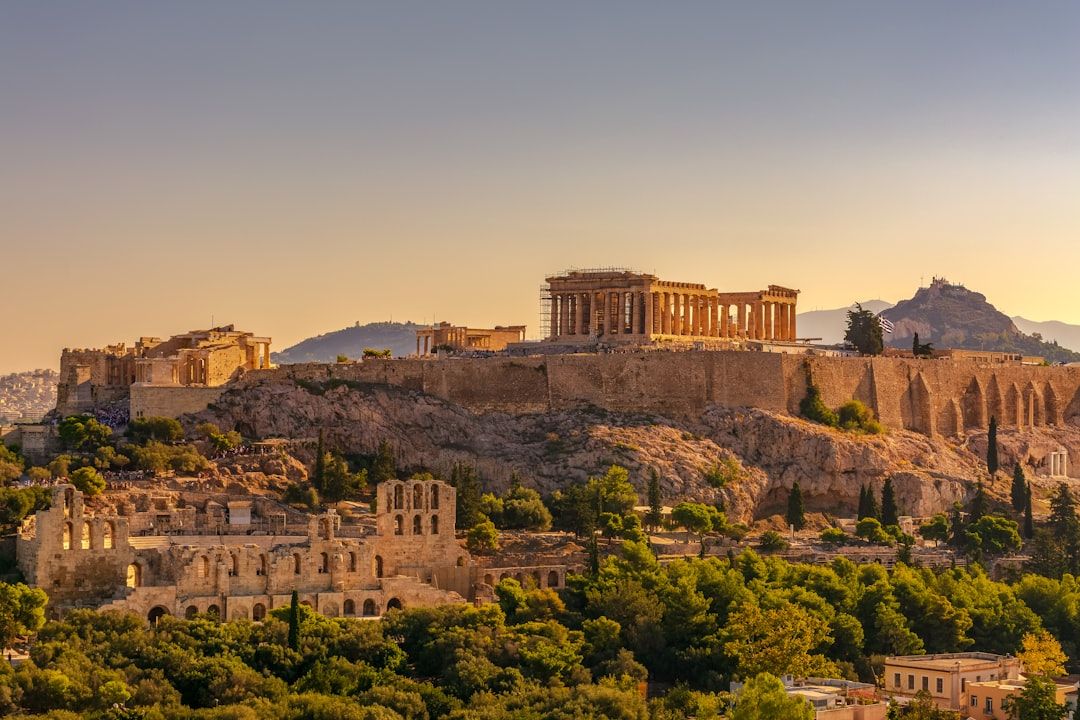
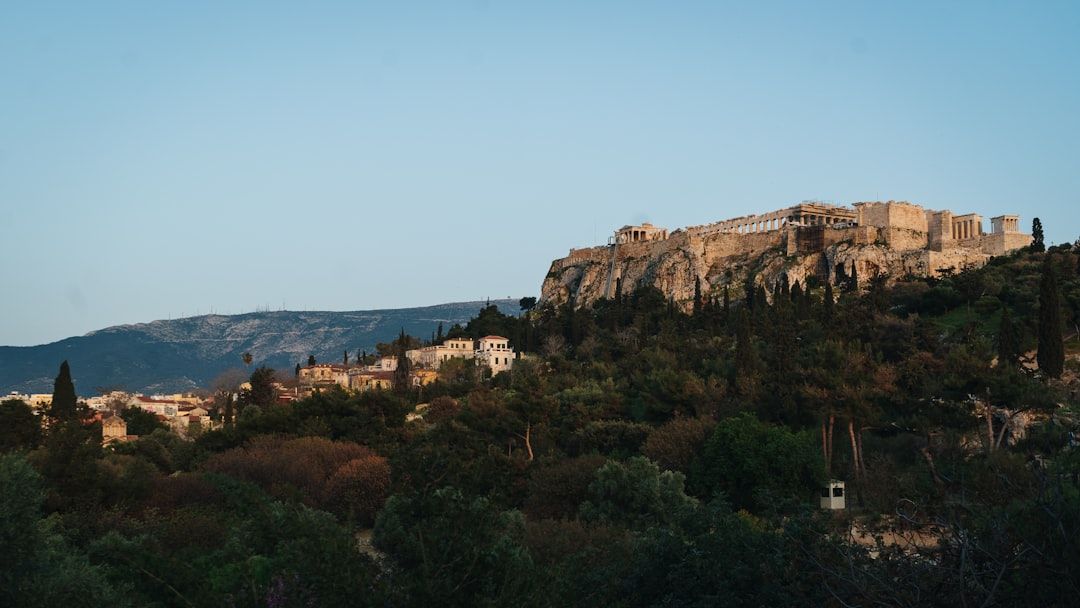
The Acropolis is the obvious first stop. Go at 8 AM (opening time) or after 5 PM in summer. The midday heat is brutal and the queues are longest between 10 AM and 2 PM. The ticket is €20-30 depending on the season and includes the Agora below — don't skip that, it's where Socrates argued and St Paul preached, and it's almost empty.
The Acropolis Museum (€15) is the best museum in Greece. It sits at the foot of the Acropolis and houses everything that used to be on top of it — including the Parthenon marbles that the British Museum hasn't returned. The top floor is a glass rectangle aligned with the Parthenon above, and the frieze is displayed in its original order with casts filling the London gaps.
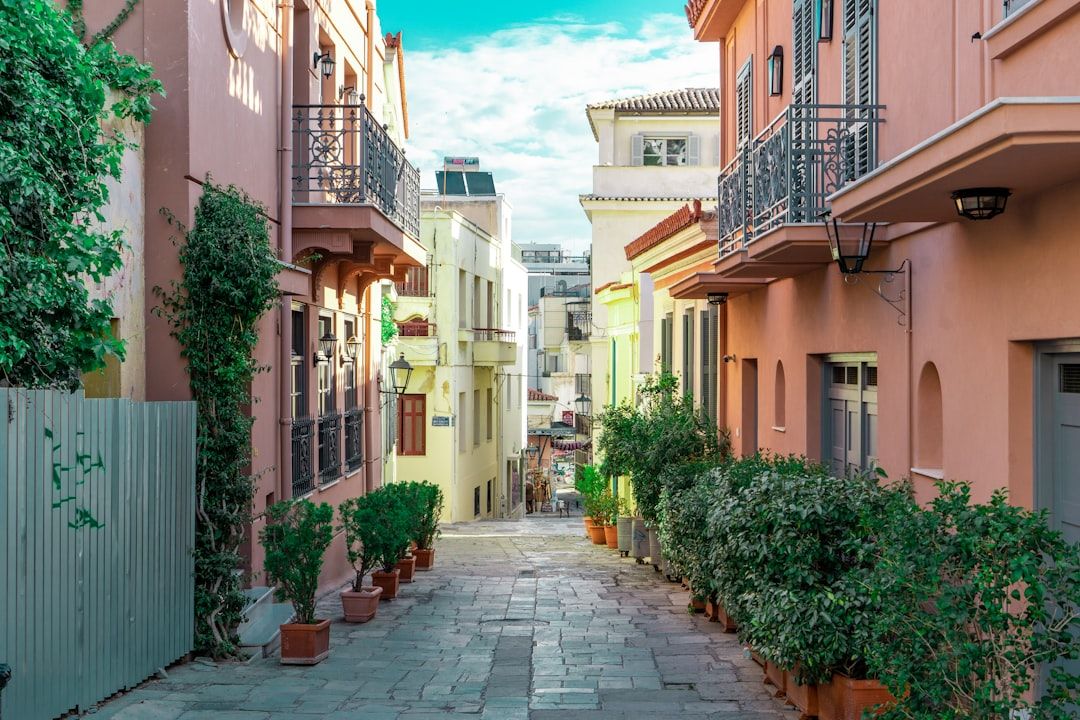
Neighborhoods: Plaka is the tourist district — pretty but overpriced. Walk through it to Anafiotika, a cluster of white houses built by islanders who came to work in the 19th century. It looks like a Cycladic village dropped on the side of the Acropolis hill. Psyrri is where Athenians eat and drink — small plates, natural wine, no menus in English. Exarchia is the anarchist quarter, covered in graffiti, full of bookshops and bars. It's safe and it's the most interesting neighborhood in the city.
Eat: Karamanlidika (Sofokleous 1) for cured meats and cheeses from Thrace and Cappadocia. Ta Karamanlidika is a deli-restaurant — you buy the food at the counter and they cook it. The pastourma (cured beef) with eggs is €12 and extraordinary. For seafood, go to Varoulko Seaside (€40-60) in Mikrolimano — the octopus is the best in Athens.
The Peloponnese: The Greece Nobody Goes To
The Peloponnese is the peninsula attached to Athens by the Corinth Canal. It has Mycenaean palaces, Byzantine cities, Ottoman towns, and some of the best landscapes in Greece — and almost no foreign tourists. Rent a car in Athens and drive.
Mycenae: The first stop. 90 minutes from Athens. This is the city of Agamemnon, the king who launched the Trojan War. The Lion Gate and the tholos tomb (Treasury of Atreus) are 3,500 years old. €12. Go early — the site has no shade.
Nafplio: The best base in the Peloponnese. A Venetian port town with three fortresses, a car-free old town, and restaurants on the waterfront. Stay 2-3 nights (€60-90/night). Day-trip to Epidaurus (the best-preserved ancient theater, €12, still used for performances in summer) and Mycenae.
Mani Peninsula: The middle finger of the Peloponnese. A wild landscape of stone towers and abandoned villages. The Maniots were the last Greeks to convert to Christianity (9th century) and the last to stop blood feuds (roughly the 1970s). Drive to Vathia (a village of stone towers) and Cape Tainaron (the southernmost point, ancient entrance to Hades). Stay in Areopoli (€50-70/night).
Monemvasia: A medieval town built on a rock island connected to the mainland by a causeway. The lower town is a maze of stone houses and churches; the upper town is a ruin you climb to. Stay inside the walls (€70-100/night). Eat at Matoula's — the lamb is cooked in a clay pot sealed with dough, and they break it open at your table.
The Islands: Skip Mykonos, Go Here Instead
Naxos
Naxos is the largest of the Cyclades and the most underrated. It has mountains (Mount Zas, 1,004 m), valleys with olive groves, 40 km of beaches, and a main town with a Venetian castle. The beaches on the southwest coast — Agios Prokopios, Plaka, Mikri Vigla — are as good as anything in Mykonos and cost a third as much.
Stay in the main town (Chora) or in a beach village like Agia Anna. Hotel rooms are €50-80/night in July. Rent a car and drive to the mountain villages — Apeiranthos (a marble village at 600 m), Chalki (a medieval town with a citron distillery), and the Kouros statues at Apollonas (6th century BC, never finished, still lying in the quarry).
Ferry from Piraeus: 3-5 hours depending on the boat. Book a cabin if you take the overnight.
Milos
Milos is a volcanic island with the most geologically diverse coastline in the Cyclades. Sarakiniko is a beach of white volcanic rock that looks like the moon — no sand, just smooth white formations and turquoise water. Kleftiko is a bay of white cliffs and sea caves reachable only by boat. Papafragas is a swimming hole between two cliffs.
The main town (Plaka) is on a hill above the harbor — white houses, bougainvillea, sunset views. Stay in Adamantas (the port town) or Pollonia (a fishing village on the north coast). €50-90/night.
Take a boat tour around the island (€40-60, full day). They stop at Kleftiko, the sea caves, and the fishing villages you can't reach by road. Bring snorkeling gear.
Folegandros
Folegandros is what Santorini was 40 years ago — a cliff-top town with a Venetian castle, white houses, and a church at the highest point. The difference is that Folegandros has no crowds, no cruise ships, and no €400 hotels. Rooms are €50-80. The town is spectacular at sunset — the church of Panagia sits on a cliff above the sea, and the whole town turns gold.
The beaches are rocky and reached by foot or boat. Agkali is the easiest — a 15-minute walk from the road. Livadaki is a 30-minute walk through a gorge. Bring water and food — there's nothing at the beaches.
Ferry from Santorini: 50 minutes. From Piraeus: 4-9 hours.
When to Go
Greece has a short season. The ferries run properly from May to October. Before May and after October, the islands empty out, hotels close, and ferry schedules become erratic.
May-June: The best time. Warm but not hot, everything is open, the islands are green from spring rain, and the crowds haven't arrived. Sea temperature is 19-22°C — cold but swimmable.
July-August: Hot (35-40°C), crowded, and expensive. The meltemi wind blows from the north — strong enough to cancel ferries and make beaches unpleasant. If you must go in August, pick an island with south-facing beaches (Naxos, Milos) or go to the Peloponnese where the wind doesn't reach.
September-October: The second-best time. The sea is warmest (24-25°C in September), the crowds are gone, and hotels drop their prices by 30-40%. October can be rainy but the first two weeks are usually perfect.
How Long
One week: Athens (2 nights) + one island (5 nights). Naxos or Milos. Fly to the island if possible — Olympic Air and Aegean have €50-80 flights from Athens.
Two weeks: Athens (2 nights) + Peloponnese (3 nights, rent a car) + two islands (9 nights). Naxos + Folegandros, or Milos + Sifnos.
Three weeks: Add Crete. Crete is a country unto itself — the Minoan palace at Knossos, the Samaria Gorge (16 km hike), the Venetian harbor of Chania, and the beaches of the southwest coast. You need a car and at least 5 nights.
Money
Greece is cheaper than Italy or Spain. A hotel room on an island is €50-90 in high season. A meal at a taverna is €15-25. A beer is €3-4. A ferry ticket is €30-60 depending on the route. Athens is slightly more expensive than the islands. The Peloponnese is the cheapest region — €40-60/night for a good hotel, €10-15 for dinner.
Cash is still king in Greece. Many tavernas and small hotels don't take cards. Bring an ATM card and withdraw — there are ATMs in every town, but they sometimes run dry on small islands in August. Have a buffer of €200 in cash.