Best Japan Trip Ideas: 10 Adventures
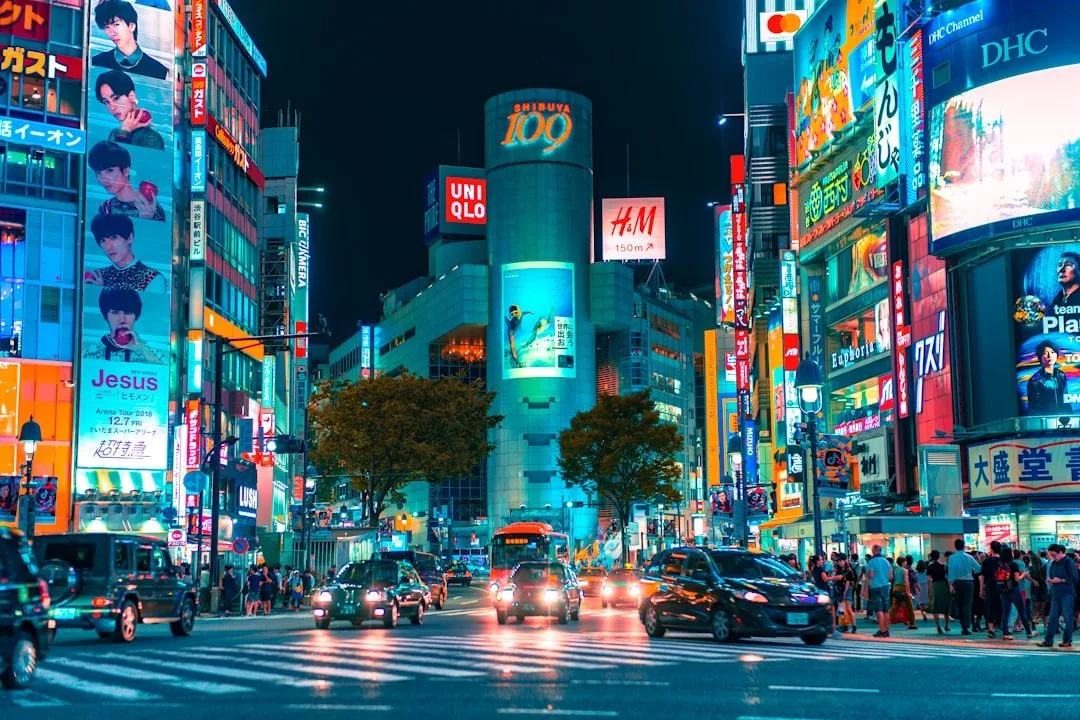
Most first trips to Japan follow the same arc: Tokyo, Kyoto, maybe Osaka if there's time. That route is fine — it's popular for a reason — but it's also the reason people come back saying Japan felt like a museum. The country is bigger and stranger than the Golden Route lets on. Here are ten trips that go somewhere different.
1. Hike the Kumano Kodo
The Kumano Kodo is a network of pilgrimage trails through the mountains of Wakayama prefecture, south of Osaka. Walked for over a thousand years by emperors and peasants, it's now a UNESCO site and still almost empty. You stay in family-run guesthouses along the route, soak in onsens at night, and walk through cedar forests past shrines that predate most countries.
The full Nakahechi route takes three to four days. You don't need to be an athlete — the daily distances are 14-20 km — but the elevation is real. Pack light. A backpacker's pack, not a roller bag.
Cost: ¥12,000-18,000/night including dinner and breakfast at minshuku guesthouses. Bus from Osaka to the trailhead at Takijiri-oji is ¥2,500.
Best time: October-November or April-May. Summer is brutal. Winter trails close.
2. Sleep in a Temple on Mount Koya
Mount Koya (Koyasan) is a monastic complex founded in 816 by the monk Kukai. It's the headquarters of Shingon Buddhism and has over 100 temples, about 50 of which accept overnight guests. You sleep on tatami, eat Buddhist vegetarian cuisine (shojin ryori), and can attend the morning sutra chanting at 6 AM.
The experience is not luxurious. The futons are thin, the rooms are cold in winter, and the food is deliberately austere. But it's one of the few ways to experience Japanese religious life from the inside rather than through a camera lens.
Cost: ¥9,000-15,000/night with two meals. Cable car up from Gokurakubashi station is ¥890.
3. Ski Hokkaido's Powder Belt
Hokkaido gets 14-18 meters of snow a year. The powder at Niseko, Rusutsu, and Furano is lighter and drier than anything in the Alps or Rockies — 8% water content compared to Colorado's 20%. The ski season runs from December to April, with January and February being the deepest.
Niseko is the most developed and the most crowded. If you want untracked lines, go to Rusutsu (30 minutes south) or Asahidake (the mountain, not the town). Both have smaller lift networks but the snow is better and the queues are shorter.
Cost: Lift tickets ¥6,000-7,500/day. Rentals ¥4,000-5,000. A decent hotel in Niseko is ¥15,000-25,000/night in peak season.
4. Cycle the Shimanami Kaido
The Shimanami Kaido is a 70-km toll road that hops across six islands in the Seto Inland Sea, connecting Honshu to Shikoku. It has a dedicated bike path the entire way, and it's the best cycling route in Japan. You rent a bike at one end, drop it at the other, and take a ferry back.
The riding is not hard — mostly coastal with a few bridge climbs — but the views are extraordinary. Turquoise water, fishing villages, citrus groves. Most people do it in a day, but two days lets you stop at the island museums and eat properly.
Cost: Bike rental ¥1,500/day plus ¥1,000 drop-off fee. Ferries ¥500-1,500. Guesthouses ¥6,000-10,000/night.
5. Island-Hop Naoshima and the Art Islands
Naoshima, Teshima, and Inujima are three small islands in the Seto Inland Sea that have been turned into contemporary art destinations. Naoshima has the Chichu Art Museum (Tadao Ando, underground, Monet and James Turrell), the Art House Project (installations in abandoned houses), and Yayoi Kusama's pumpkin on the pier. Teshima has a single museum built into a rice terrace. Inujima has a copper refinery converted into an art installation.
You reach them by ferry from Uno Port (near Okayama) or Takamatsu. Stay overnight on Naoshima if you can — the day-trip crowds thin after 4 PM and the island becomes a different place.
Cost: Ferry ¥300-590 per crossing. Museum pass ¥2,100 for Chichu + Art House. Guesthouse ¥8,000-12,000/night.
6. Walk the Nakasendo from Magome to Tsumago
The Nakasendo was the old mountain road between Tokyo and Kyoto, used by samurai and merchants for 260 years. The 8-km section between Magome and Tsumago is the best-preserved stretch, running through a forested pass in the Kiso Valley. Both villages have been restored to their Edo-period appearance — no power lines, no vending machines, no concrete.
It's a half-day walk. Do it in the morning, have lunch in Tsumago, and take the bus back. Or stay overnight in one of the minshuku and walk the next section to Narai.
Cost: Free to walk. Bus between the two towns ¥600. Minshuku ¥8,000-12,000 with meals.
7. Dive the Coral of Ishigaki
Ishigaki is the most southerly of the Okinawan islands, closer to Taiwan than Tokyo. The water is 25-30°C year-round, and the coral reefs around Kabira Bay and the Sekisei Lagoon are some of the healthiest in Japan. Manta rays are common at Manta Scramble, a dive site off the north coast.
This is not a cultural trip. It's a beach and diving trip. The food is different too — Okinawan soba, goya champuru, taco rice. The flights are expensive but once you're there, costs are lower than mainland Japan.
Cost: Two-tank dive ¥12,000-15,000 with gear. Flights from Tokyo ¥25,000-40,000 round-trip. Guesthouses ¥5,000-8,000/night.
8. Drink Your Way Through Fukuoka's Yatai
Fukuoka is the yatai capital of Japan. Yatai are open-air food stalls — about 150 of them — that set up along the river and in designated spots every evening and pack up by midnight. They serve ramen, yakitori, oden, tempura, and drinks. You sit shoulder-to-shoulder with strangers and talk.
Fukuoka is also the birthplace of tonkotsu ramen — the milky pork-bone broth that's now everywhere. Ippudo and Ichiran both started here. But the yatai version is better: richer, less salty, and you're eating it at a counter in the open air.
Cost: A yatai meal is ¥1,000-2,000. A bowl of ramen at a shop is ¥700-900. Beer ¥500.
9. See the Snow Monsters of Zao Onsen
Zao Onsen is a ski resort in the mountains of Yamagata prefecture. In January and February, the alpine trees at the top of the mountain get coated in snow and ice until they become towering white shapes called juhyo — snow monsters. You ski between them. It's unlike anything else in the world.
The resort also has one of Japan's best onsen villages at the base. The water is acidic and milky, and the outdoor baths face the mountain. After a day of skiing in sub-zero temperatures, sitting in a 42°C bath while snow falls on your head is the most Japanese experience I can describe.
Cost: Lift ticket ¥5,500/day. Onsen day-pass ¥600. Hotel with onsen ¥10,000-18,000/night.
10. Ride the Train to the End of the Line in Aomori
Aomori is the northernmost prefecture on Honshu. It's where Japan starts to feel different — crab instead of tuna, apple orchards instead of rice paddies, and a dialect that Tokyo people can't follow. The Shirakami-Sanchi mountains (a UNESCO world heritage beech forest) are here, and so are the Nebuta floats — giant illuminated paper warriors that parade through the streets in August.
Take the Tohoku Shinkansen from Tokyo. It's 3 hours to Shin-Aomori. From there, local trains run to the coast and into the mountains. The journey is the point — the train lines thread through valleys that look like they haven't changed in a century.
Cost: Shinkansen from Tokyo ¥17,000 one-way. Local trains ¥500-1,500. Hotels ¥7,000-12,000/night.
How to Choose
If you have a week, pick one. The Kumano Kodo, Shimanami Kaido, or Koyasan are the best single-week trips — they're self-contained, don't require a car, and give you a Japan that the Golden Route doesn't.
If you have two weeks, combine two. Hokkaido skiing plus a few days in Tokyo. Or the art islands plus the Kumano Kodo. Don't try to do more than two — Japan rewards depth over breadth, and the travel time between regions eats a day each way.
If you're going in winter, Zao and Hokkaido. In spring, the Nakasendo and Shimanami Kaido. In summer, Ishigaki and the Kumano Kodo (early morning starts). In autumn, everything — but especially Tohoku and Koyasan.