The Amalfi Coast: Which Town to Actually Stay In
The Amalfi Coast is thirteen towns strung along one cliff road, and the entire quality of your trip is decided by which one you sleep in and whether you brought a car. Most people choose Positano because it is the photograph, and most people would have had a better week somewhere else.
The short answer: stay in Praiano unless you have a specific reason not to, come in May or late September, and do not hire a car. The rest of this explains why.
The towns, honestly
Positano
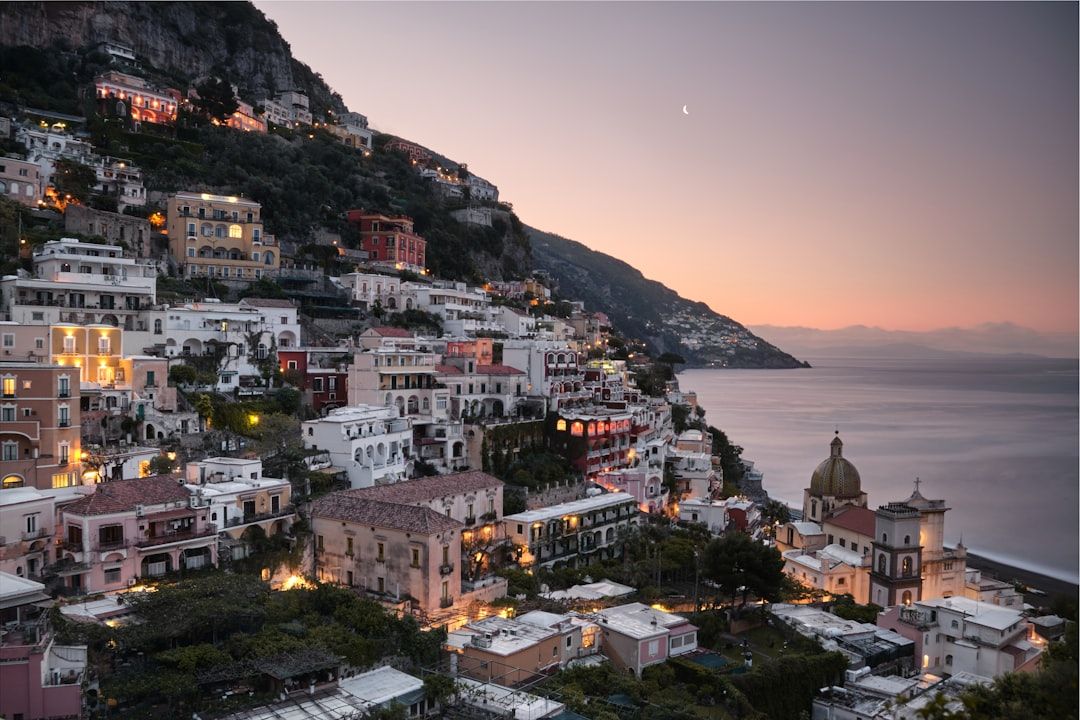
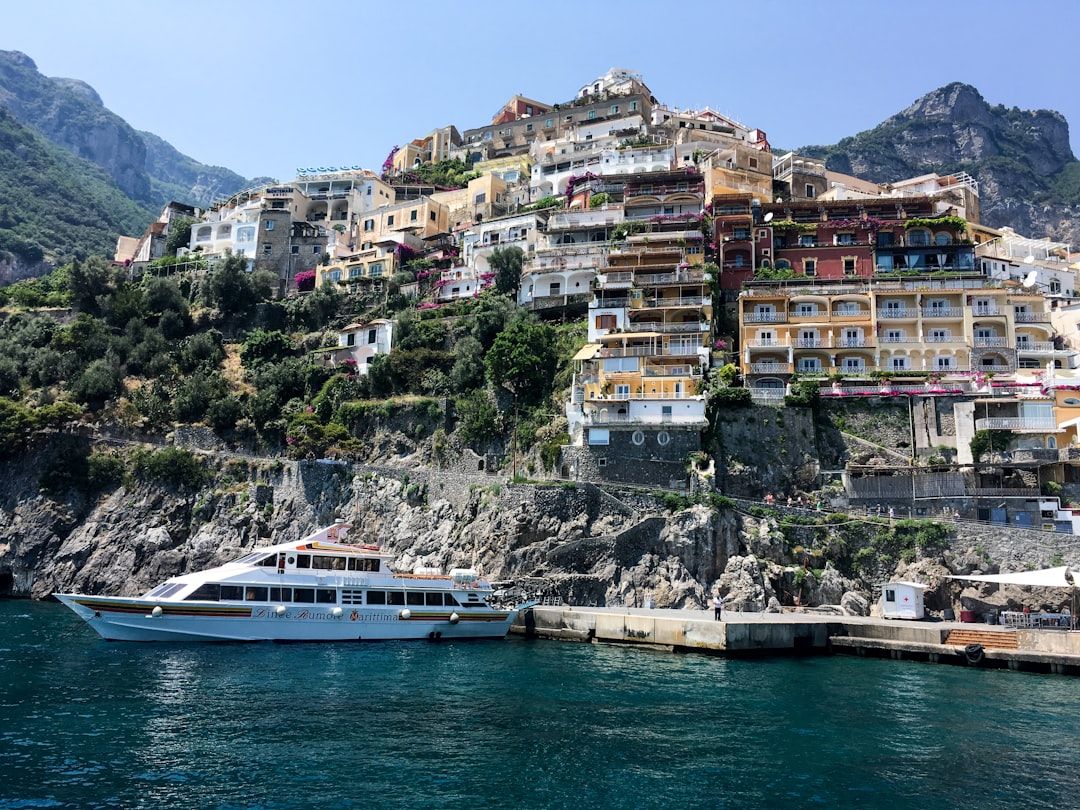
Beautiful and knows it. Vertiginous — the town is essentially a staircase, and everything is either up or down from wherever you are standing, which matters enormously if you have knees or luggage. The most expensive beds on the coast, the most crowded lanes, and the best evening atmosphere. Worth one night if the budget allows and you want to say you did. Worth a day trip regardless.
Praiano
Ten minutes along the road and a different price bracket. Quieter, residential, with the best sunsets on the coast because it faces west while Positano faces the wrong way for them. Buses and ferries stop here, so you are connected to everything without paying Positano rates. This is the recommendation.
Amalfi town
The transport hub — every ferry and every bus goes through it, which makes it convenient and busy. The cathedral is genuinely remarkable and the town empties considerably after the day-trippers leave at six. A reasonable base if you want everything easy and do not mind crowds by day.
Ravello
Three hundred metres above the coast, and a different climate — cooler, calmer, greener. Villa Rufolo and Villa Cimbrone have the views that appear on the region's posters, and the summer festival puts orchestras on a terrace above a thousand-foot drop. The trade is that you are a bus ride from the sea. Ideal for a second visit or for anyone who finds the coast road stressful.
Atrani, Minori, Maiori
Where the value is. Atrani is a tiny fishing village a ten-minute walk from Amalfi and is the prettiest square on the coast. Minori and Maiori are flatter, more ordinary, considerably cheaper, and have actual beaches. Unfashionable, and none the worse for it.
Why not to hire a car
The SS163 is a superb road to be driven along and a miserable road to drive. It is narrow, relentlessly hairpinned, shared with coaches that need both lanes on the bends, and lined with parking that costs €5–10 an hour where it exists at all. Most hotels charge €20–30 a night for a space, and many have none.
What to do instead:
- Ferries between Sorrento, Positano, Amalfi and Salerno from roughly April to October. Faster than the road, far more comfortable, and the coast looks better from the water anyway.
- SITA buses year-round, cheap and frequent, standing room only in August. Buy tickets before boarding at a tabaccheria.
- A driver for one day if you want Ravello and Pompeii without logistics. Around €200–350 for the day, split between four it is reasonable.
Arrive by train to Naples or Salerno, then ferry or bus in. It removes the single biggest source of stress on this coast.
What it costs
| Shoulder (May, Oct) | Peak (Jul–Aug) | |
|---|---|---|
| Positano, mid-range double | €250–400 | €450–800 |
| Praiano, mid-range double | €150–250 | €280–450 |
| Minori or Maiori | €90–160 | €180–300 |
| Sunbed and umbrella | €25–40 | €40–80 |
| Dinner with wine, per head | €35–55 | €40–70 |
The beach clubs are the cost that surprises people. Free public beach exists at every town but is small and taken by nine in the morning; everything else is a private lido with a daily rate.
When to come
May and late September into early October. The sea is swimmable from June through October — May is bracing — but those two windows have the settled weather without the crush. June and September are excellent and busier. July and August are genuinely difficult: the buses fill, the road jams, and hotel rates double.
Note the season's edges. Ferries generally run April to October only, and a good number of hotels and restaurants close from November to March. A winter visit is quiet and lovely and requires checking that anything is open.
What to actually do
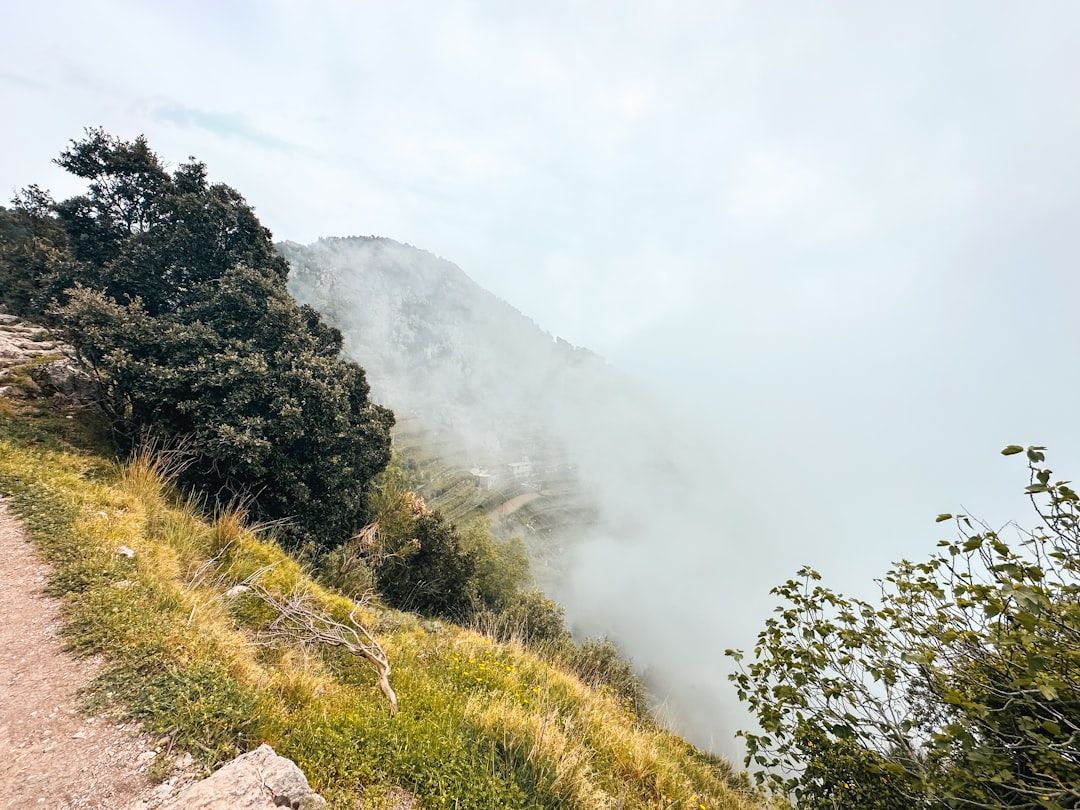
- Walk the Sentiero degli Dei — the Path of the Gods, from Bomerano down to Nocelle above Positano. Three hours, mostly downhill in that direction, and the best thing on the coast. Start early; there is little shade.
- Ravello's two villas. Cimbrone's Terrace of Infinity earns the name. Go late in the afternoon when the coaches have gone.
- The Amalfi cathedral and cloister. Ten minutes, and the Arab-Norman cloister is unlike anything else nearby.
- A boat to the Li Galli islands or the Grotta dello Smeraldo. Small-boat hire from Praiano or Positano, roughly €300–500 for a half day with a skipper.
- Eat in Atrani rather than on the Positano seafront. Same sea, half the price, better cooking.
Naples and Pompeii belong in this trip
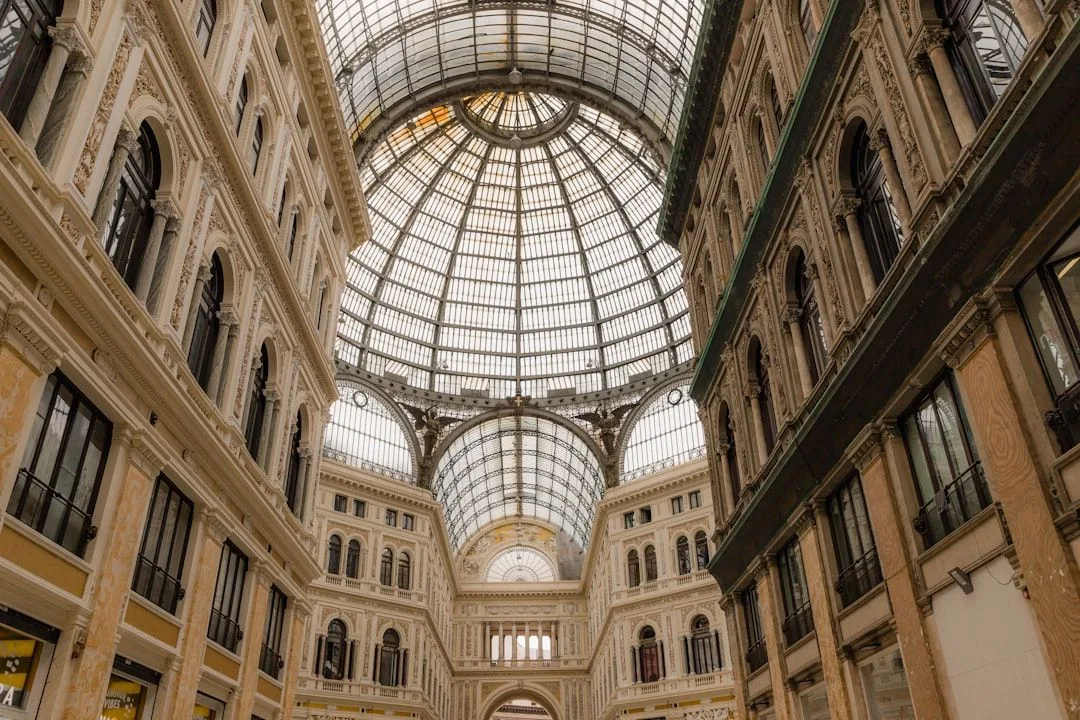
Most Amalfi itineraries treat Naples as an airport and Pompeii as an obligation, which gets both wrong. Naples is the most alive city in Italy — chaotic, unpolished, and home to the archaeological museum that holds everything of value dug out of Pompeii and Herculaneum. Seeing the ruins without seeing the mosaics and bronzes from them is seeing half.
Two nights in Naples at the end of the trip, rather than a rushed day at the start, is the version that works. The city is at its best in the evening, when the Spanish Quarter fills and the pizzerias — the Neapolitan ones with a queue and a ticket system — start turning out the thing the city invented.
For the ruins themselves, prefer Herculaneum over Pompeii if you only do one. It is a quarter of the size, so you actually finish it, and it was buried differently — under pyroclastic surge rather than ash — which preserved upper floors, wooden doors and roof beams that Pompeii lost entirely. Both are on the Circumvesuviana line from Naples; go at opening, take water, and take a hat, because there is no shade in either.
Practical notes
- Luggage. Every town here involves steps, often a lot of them, and no vehicle reaches most hotel doors. A large hard suitcase is a genuine problem; pack lighter than you would elsewhere.
- Ferry cancellations. Services are weather-dependent and get cancelled in swell, occasionally for a whole day. Do not book a flight that relies on a morning ferry.
- Cash for the small places. Lidos, small trattorias and the bus system all prefer it.
- Sunrise, not sunset, in Positano. The town faces east; the light is on it in the morning and gone by mid-afternoon.
- Book restaurants, even in May. The good places have twenty covers and turn people away nightly. Ask your hotel to call rather than relying on a booking app, which most of them do not use.
- The lemons are not decorative. Sfusato amalfitano is a protected variety grown on the terraces above the road, and the delizia al limone made from it is the one dessert worth ordering twice.
One last thing worth knowing: the coast road closes without warning for rockfall, usually after heavy rain, and diversions add hours. If you have a fixed flight, build a buffer day into the end rather than travelling on the morning of departure.
The shape of a good week
Fly to Naples, train to Sorrento or Salerno, ferry to Praiano. Five nights there, using ferries for Positano and Amalfi and a bus up to Ravello. One day walking the Path of the Gods. One day doing nothing on a lido. Then two nights in Naples on the way out, which is a far better city than its reputation and puts Pompeii within reach without a special trip.
No car, no rush, no fourth town. That is the version of this coast that people come back from rested.
Frequently Asked Questions
Which town should you stay in on the Amalfi Coast?
Praiano for most people — quiet, west-facing for sunsets, well connected by bus and ferry, and considerably cheaper than Positano ten minutes away. Choose Ravello for calm and views, Minori or Maiori for value, Amalfi for convenience.
Should you hire a car on the Amalfi Coast?
No. The SS163 is narrow and hairpinned, parking runs €5–10 an hour where it exists, and hotels charge €20–30 a night for a space. Ferries and SITA buses cover everything, and the coast looks better from the water.
When is the best time to visit?
May, or late September into early October — settled weather without the crowds. July and August bring double rates, full buses and a jammed road. Ferries typically run April to October only.
Is Positano worth staying in?
For one night, if the budget allows. It has the best evening atmosphere and the highest prices on the coast, and the town is effectively a staircase, which matters with luggage or bad knees. Most people are better served visiting for the day.
What is the Path of the Gods?
A cliff-top trail from Bomerano to Nocelle above Positano, about three hours and mostly downhill in that direction. It is the single best thing to do here. Start early — there is very little shade on the route.