Algarve Travel Guide
The Algarve is Portugal's south coast, 150 km of cliffs, beaches, and fishing villages. Most of what's written about it is about the wrong part — the central stretch from Albufeira to Portimão, a strip of high-rise resorts, golf courses, and British pubs serving full English breakfasts. That Algarve exists and you should avoid it. The real Algarve is at the two ends: the wild west around Sagres and the quiet east around Tavira. This guide is about those.
The West: Sagres and the End of Europe
Sagres is the southwesternmost point of continental Europe. The coast is Atlantic — cold water, big surf, cliffs that drop 60 meters to the sea. The Romans called it the end of the world, and it still feels like it. The wind is constant. The landscape is scrub and rock. The beaches are spectacular and nearly empty.
Cabo de São Vicente: The actual point. A lighthouse on a cliff with nothing between it and America. Park in the lot and walk to the edge. Go at sunset — the sun drops into the Atlantic and the cliffs turn red. Free.
Praia do Beliche: The best beach in the area. A wide crescent of sand at the bottom of a cliff, reached by a wooden staircase. The water is cold (16-18°C in summer) but the surf is gentle enough for beginners. The cliff blocks the wind, which is rare here.
Praia do Tonel: Just below the Sagres fortress. Bigger surf, fewer people. The fortress (€3.50) is worth a visit — it's where Prince Henry the Navigator ran his sailing school in the 15th century, launching the Age of Discovery.
Surf: Sagres is a surf town. There are a dozen surf schools. A lesson is €40 for 2 hours including board and wetsuit. Board rental is €15/day. The best beginner beach is Praia do Beliche; the best intermediate break is Tonel. If you're advanced, drive up the west coast to Praia do Amado or Arrifana — bigger, more consistent, and colder.
Stay: Sagres town is small and functional — a few restaurants, a few hotels, a surf shop on every corner. Stay at Martinhal Sagres (€150-250, family-friendly resort) or one of the guesthouses in town (€50-80/night). Vila do Bispo, 5 km inland, is quieter and cheaper.
Eat: Mar a Vista (€20-25) in Sagres — grilled sea bream with potatoes and salad, eaten on a terrace facing the ocean. The fish is caught that morning. Order the whole fish, not the fillet — the flavor is in the bones.
The Central Coast: Lagos and the Cliff Walks
Lagos is the one town in the central Algarve worth visiting. It has a historic center (16th-century walls, a slave market building that's now a museum), a working harbor, and the best cliff walks on the coast.
Ponta da Piedade: The cliffs at the western end of Lagos. Orange and yellow rock formations, sea arches, and grottoes — the kind of coastline you see on Algarve postcards. You can walk along the top (free, 2 km trail) or take a boat tour from the harbor (€20, 75 minutes). Do both — the walk gives you the overview, the boat gives you the grottoes.
Praia do Camilo: The beach below Ponta da Piedade. 200 wooden steps down a cliff to a small cove with turquoise water. Go at low tide — at high tide the beach disappears. The restaurant at the top (O Camilo, €30-40) is one of the best seafood restaurants in the Algarve. Book ahead.
Praia Dona Ana: The most photographed beach in the Algarve — golden rock formations, clear water, a small cove. It's beautiful and it's crowded. Go at 8 AM or after 6 PM. At midday in summer, it's shoulder-to-shoulder.
Stay: Lagos has the best range of accommodation in the Algarve. Guesthouses in the historic center are €50-80/night. Hotel Marina Rio (€80-120) is on the riverfront. Don't stay in the marina area — it's modern and characterless. Stay in the old town.
The East: Tavira and the Island Beaches
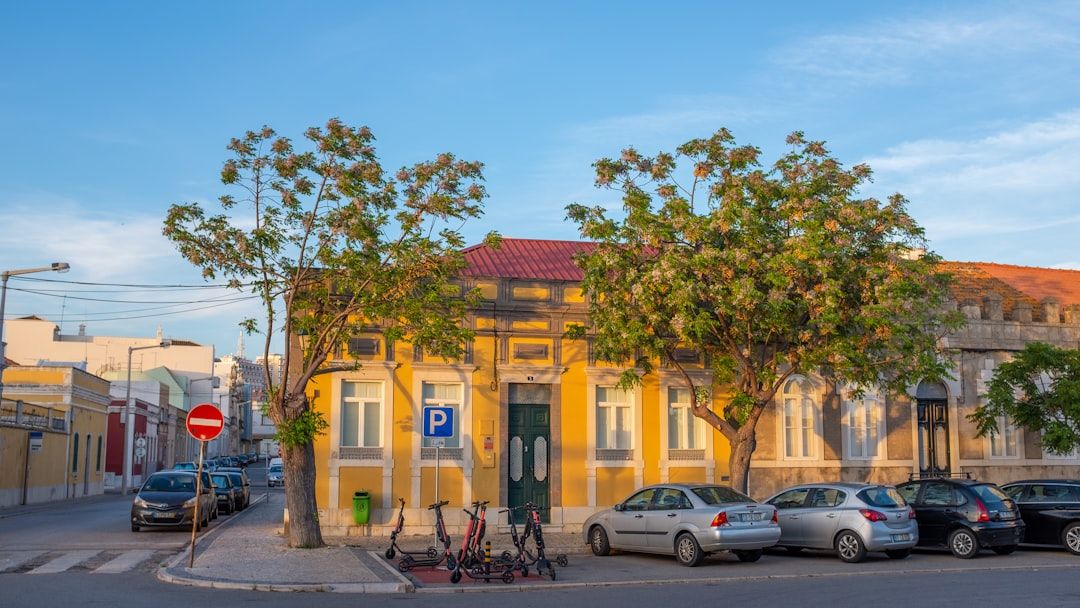
Tavira is the prettiest town in the Algarve and the least visited by foreign tourists. It sits on the Gilão river, which is crossed by a Roman bridge. The town has 37 churches (one for every Sunday), a castle that's now a pousada (€120-180/night), and a main square with orange trees. The pace is slow. Shops close for lunch. People sit in cafés for hours.
The beaches are not in the town — they're on the Ilha de Tavira, a barrier island in the Ria Formosa lagoon. You reach them by ferry from the town quay (€2 round-trip, 10 minutes). The island is 11 km long with one restaurant, one campsite, and nothing else. The beach is a wide crescent of white sand facing the Atlantic. Water temperature is 20-22°C in summer — warmer than the west coast because the lagoon heats up.
Other islands: The Ria Formosa has five barrier islands, all reachable by ferry. Ilha de Cabanas (from Cabanas de Tavira, €1.50) is the quietest. Ilha do Farol (from Olhão, €3) has a lighthouse and a village. Barril (from Santa Luzia, by foot on a suspended bridge or by mini-train, €2) has an anchor cemetery — hundreds of rusted anchors from the tuna fishing fleet that worked here until the 1960s.
Stay: Tavira itself (€50-80/night). Or Santa Luzia, 5 km away — a fishing village that calls itself the octopus capital of the world. The octopus stew at Casa do Polvo Tasquinha (€16) is the reason to come.
The Interior: Silves and Monchique
If you've had enough of the coast, drive inland. The Algarve's interior is hills, cork oaks, and orange groves.
Silves: The former Moorish capital of the Algarve. A red sandstone castle on a hill (€2.80), a 12th-century mosque converted to a cathedral, and a medieval bridge. The town is sleepy and lovely. 20 minutes from the coast.
Monchique: The highest town in the Algarve (600 m), in the Serra de Monchique mountains. The drive up is winding and beautiful. The town is known for its thermal springs (Caldas de Monchique, €10 for a soak) and its chicken piri-piri — grilled chicken with chili sauce, invented here. Eat at Luar da Fóia (€15-20) on the road to the summit. The view from Foia (902 m) covers the entire coast.
When to Go
May-June: The best time. The wildflowers are out, the temperatures are 22-28°C, the beaches are empty, and the water is warming up. Hotels are 30% cheaper than July-August.
July-August: Hot (30-35°C), crowded, and expensive. The central Algarve is unbearable. The west and east are better but still busy. Book everything ahead.
September-October: The second-best time. The sea is at its warmest (20-22°C), the crowds are gone, and the weather is still 25°C. October can be rainy but the first three weeks are usually perfect.
November-March: Cool (15-18°C) and wet. Many restaurants and hotels close. The surf is at its biggest on the west coast. Good for hiking and birdwatching (the Ria Formosa is a major migration stop), not for beaches.
How Long
One week: Base in Lagos (3 nights) for the west coast and cliff walks, then Tavira (4 nights) for the island beaches. Rent a car — the bus between towns is infrequent.
Two weeks: Add Sagres (3 nights) for surf and the wild coast, and Monchique/Silves (2 nights) for the interior. Drive the whole coast from west to east.
Money
The Algarve is cheaper than Lisbon or Porto. A hotel room is €50-90/night in most of the region, €120-180 in high-end resorts. A grilled fish dinner is €15-25. A beer is €1.50-2.50. A coffee is €1. Car rental is €25-40/day. Gas is €1.70/liter. Budget €60-90/day including accommodation if you stay in guesthouses and eat at local restaurants.